Maximise Your Pet’s Well-Being with Expert Grooming and Home Care Techniques
What Key Services Does Professional Grooming for Pets Provide?
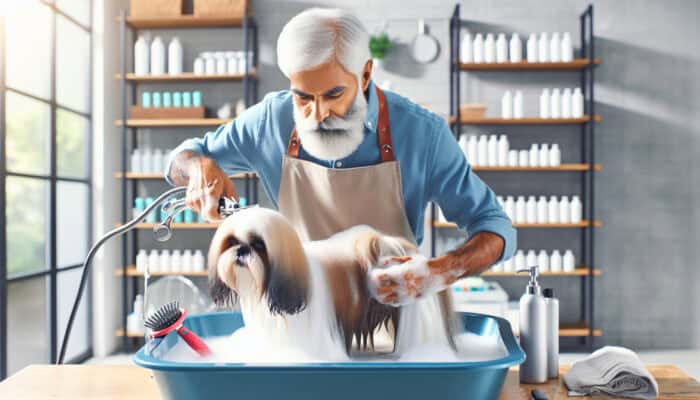
Understanding the Value of Professional Grooming for Pets involves a multitude of essential services delivered by trained professionals who specialise in animal care. These services typically include vital tasks such as bathing, trimming, and performing health assessments for pets. The primary aim is to ensure a pet’s hygiene and aesthetic appeal, guaranteeing their safety and comfort throughout the grooming process, no matter their breed—be it a delightful Shih Tzu or a magnificent Maine Coon.
Professionals, armed with extensive training and a toolkit crafted for efficient grooming, are capable of identifying underlying skin conditions or parasites that pet owners might overlook. Each grooming session is customised to cater to the specific needs of individual pets, taking into account crucial factors such as breed characteristics and any unique health concerns.
Additionally, professional groomers cultivate a calming and controlled environment, which is particularly beneficial for pets that may experience anxiety or have negative reactions during grooming. Their expertise significantly reduces stress, transforming what could be a burdensome task into a pleasurable outing for your cherished pet.
What Are the Fundamental Components of an Effective Home Care Routine?
Establishing a successful home care routine for pets encompasses daily practices such as brushing, bathing, and nail trimming. These routines are indispensable for preserving a pet’s overall health and appearance, markedly decreasing the necessity for frequent visits to professional groomers. Essential tools for at-home care include a high-quality brush tailored to your pet’s coat type, a gentle shampoo specifically formulated for pets, and dependable nail clippers.
Daily brushing is essential, as it effectively removes loose hair and dirt, preventing matting, especially in breeds with longer hair. Bathing should ideally take place every few weeks, using products that are safe and suitable for your pet’s skin type to avert irritation. Nail trimming constitutes another critical aspect of home care; overgrown nails can lead to discomfort and potentially serious issues.
By implementing a consistent home care routine, you not only enhance your pet’s physical well-being but also deepen your bond through regular grooming activities. This interaction fosters a sense of trust between you and your pet, making subsequent grooming sessions easier and more enjoyable for both of you.
What Essential Grooming Tools Should You Use for Professional and Home Care?
- Brushes: Employ specialised brushes tailored to different coat types, such as slicker brushes for long hair and bristle brushes for short hair.
- Shampoos: Invest in pet-safe, hypoallergenic shampoos designed for various skin types to promote optimal skin health.
- Nail clippers: Choose between scissor-style or guillotine-style clippers suitable for a range of sizes and breeds.
- Combs: Use metal or wide-toothed combs to effectively eliminate tangles and debris from your pet’s coat.
- Ear cleaning solution: Select safe products to maintain ear hygiene and prevent infections.
- Flea combs: Employ these tools to check for and remove fleas or other parasites, ensuring your pet’s comfort.
- Grooming table: Invest in a grooming table for home use to create a stable and safe grooming environment.
- Pet dryer: Use a pet dryer for quicker drying after baths, especially in colder climates.
When selecting grooming tools, pay close attention to your pet’s specific requirements. Investing in high-quality grooming tools frequently results in superior outcomes compared to standard home options, making it worthwhile to purchase a few specialised items that enhance grooming effectiveness.
What Are the Benefits of Professional Grooming for Your Pets?

What Health Benefits Can Your Pets Gain from Professional Grooming?
Regular visits to a professional groomer provide numerous health benefits for pets. These trained professionals possess the skills necessary to identify and address potential health issues such as skin infections, mats, and parasites before they develop into serious problems. For instance, persistent matting can lead to skin irritations or infections that require veterinary care.
Moreover, professional groomers conduct health checks during grooming sessions, paying attention to any unusual lumps, bumps, or signs of discomfort that pet owners might overlook. This proactive approach is crucial for early detection of health concerns and ensures pets receive timely medical attention. Groomers are also skilled in cleaning ears and expressing anal glands, which can help prevent common health issues associated with neglecting these areas.
Furthermore, the mental benefits of regular grooming should not be underestimated. A calm and structured grooming session encourages relaxation in pets, contributing significantly to their overall emotional well-being. This routine not only enhances their appearance but also supports their holistic health and happiness.
What Home Care Techniques Should New Pet Owners Adopt?
For new pet owners, developing a home grooming routine may seem daunting; however, several standard techniques can simplify the process. Begin with daily brushing to remove loose hair and prevent tangles. For short-haired pets, a simple rubber grooming mitt can effectively lift away dead hair and dirt.
Bathing represents another crucial element of home care; utilise products specifically formulated for pets. Avoid using human shampoos, as they can disrupt the natural oils in your pet’s skin. During bathing, ensure the water temperature is comfortable and rinse thoroughly to prevent any potential skin irritation.
Nail trimming can often cause anxiety for pet owners, but with patience and the right tools, it can become a straightforward task. Gradually introduce the clippers and reward your pet with treats to foster a positive association. Being mindful of the quick—the sensitive part of the nail—is essential to avoid causing pain. Regularly checking your pet’s spots and teeth at home is also vital to identify potential issues before they require professional intervention.
What Factors Influence Your Pet’s Grooming Frequency?

The frequency of grooming your pet should be based on several factors, including age, breed, and lifestyle. For example, long-haired breeds such as Afghan Hounds necessitate more frequent grooming compared to short-haired breeds like Beagles. Puppies and kittens may require less frequent grooming as they transition to their adult coats.
Your pet’s lifestyle plays a significant role in determining grooming frequency. Active pets that spend time outdoors may need more frequent baths and brushing due to the accumulation of dirt and debris. In contrast, pets that primarily remain indoors might not require grooming as often. Regular professional grooming can aid in maintaining your pet’s skin health, especially for those prone to matting or specific skin conditions.
Striking a balance between professional grooming and home care is essential for ensuring that your pet looks and feels their best. For instance, scheduling a professional grooming session every six to eight weeks while performing weekly brushing at home optimises results. This combined approach allows pet owners to effectively manage costs while providing essential care for their pets.
How Does Professional Grooming Strengthen the Bond Between Pets and Owners?
Regular grooming sessions play a pivotal role in fostering trust and reinforcing the bond between pets and their owners, contributing to a more fulfilling relationship. The grooming process promotes close physical contact, which is crucial for establishing a strong emotional connection. As owners actively engage in grooming their pets, they become more attuned to their behavioural cues and preferences, resulting in enhanced communication.
In professional grooming settings, groomers often create a serene atmosphere that helps pets adjust to being handled, making them more comfortable with their owners during home grooming sessions. This positive experience reduces anxiety and builds trust, ensuring that pets perceive grooming as an enjoyable activity rather than a chore.
Moreover, as pets adapt to grooming routines, they are likely to show less resistance, leading to more effective and enjoyable professional and home grooming experiences for everyone involved. The benefits of grooming extend far beyond aesthetics; they significantly enhance the emotional well-being of both pets and their owners.
What Practical Steps Should You Take When Choosing Between Professional Grooming and Home Care?
What Considerations Should Influence Your Grooming Method Choice?
Selecting the right grooming approach for your pet necessitates evaluating their unique needs and lifestyle. Start by assessing your pet’s coat type, breed characteristics, and any specific health concerns. For instance, dogs with thick double coats may require more frequent professional grooming to prevent matting, while short-haired breeds could thrive on regular home care, depending on your confidence and skills in grooming tasks. If you feel capable of managing basic brushing and bathing but are uncertain about nail clipping or ear cleaning, a combination approach may be most effective. Schedule regular professional visits for the more challenging tasks while upholding a steady home grooming routine.
Real-world examples can illustrate effective grooming combinations. For instance, a busy professional might opt to take their golden retriever to the groomer every six weeks for a thorough grooming session while brushing their coat at home twice a week to maintain it. By considering both pet and owner needs, you can formulate a grooming plan that maximises convenience and effectiveness.
How Can You Successfully Integrate Both Grooming Methods?
Combining professional grooming visits with home grooming practices can significantly elevate your pet’s grooming experience. Begin by establishing a home grooming routine that complements the professional sessions. For instance, grooming your pet a few days prior to a scheduled visit to the groomer allows them to focus on specific areas that require more attention instead of spending time on basic maintenance.
Maintaining open communication with your groomer is vital for seamless transitions. Discuss your home grooming techniques and any particular concerns you might have. This collaboration ensures that the groomer can tailor their services to address existing issues while offering advice on maintaining improvements at home.
Another effective strategy is to create a grooming schedule. Designate weekends for home grooming to make it a bonding experience with your pet. This predictability helps you acclimate to grooming routines, reducing anxiety during professional visits.
What Signs Indicate That Professional Grooming Assistance Is Necessary?
Recognising when professional help is required is crucial for maintaining your pet’s health. Several behavioural or health indicators suggest that it’s time to consult a groomer. For instance, if your pet shows significant discomfort during brushing or bathing, it may indicate matting or skin issues that necessitate professional intervention.
Other warning signs include excessive scratching, unpleasant odours, or noticeable changes in grooming habits. Pets that resist grooming or exhibit signs of stress during home grooming sessions may benefit from the expertise and calming environment offered by a professional. If you observe any lumps, bumps, or skin irritations, a groomer can conduct a thorough examination and recommend appropriate actions.
Timely intervention is essential for preventing escalating issues. Regular appointments with a professional groomer ensure that any emerging problems are addressed before they develop into serious health concerns, ultimately contributing to a healthier and happier pet.
What Unique Advantages Does Professional Grooming Provide Over Home Care?
The benefits of professional grooming are extensive and often surpass those of home care, particularly for certain breeds. Professional groomers possess specialised equipment capable of delivering thorough cleaning and maintenance, including high-velocity dryers, specialised clippers, and professional-grade shampoos.
Many groomers have the expertise to manage various breeds and temperaments, allowing them to handle grooming tasks safely and efficiently. Their extensive training ensures that pets receive appropriate care, significantly reducing the risk of injury during grooming.
While home grooming is more accessible and can be economical, it may lack the precision and thoroughness provided by professional services. For example, a well-trained groomer can identify and address skin issues or flea infestations during grooming that an untrained eye might overlook. Thus, the decision between professional grooming and home care should take into account individual pet needs, budget constraints, and the owner’s confidence in their grooming abilities.
What Strategies Can Help You Sustain Home Grooming Routines?
Maintaining effective home grooming practices following professional grooming sessions is essential for your pet’s long-term health. Start by creating a grooming schedule that aligns with your pet’s coat type and lifestyle. For instance, allocate time each week for brushing to prevent mats and tangles, especially for long-haired breeds.
Choosing the right products is crucial for sustaining grooming routines at home. Invest in high-quality grooming tools that cater to your pet’s specific needs. Regularly replace worn-out brushes and clippers to ensure optimal performance. Use pet-safe shampoos and conditioners that promote coat health while addressing specific concerns such as dryness or itching.
Incorporating treats and positive reinforcement during grooming sessions can create a more enjoyable experience for your pet. Gradually increase grooming duration to help your pet adjust, ensuring they associate grooming with positive experiences. By committing to a consistent grooming routine at home, you’ll complement the professional care your pet receives, leading to enhanced health and happiness.
What Financial Aspects Should You Consider for Grooming?
What Factors Impact the Cost of Professional Grooming?
Understanding the factors that influence professional grooming costs is essential for pet owners looking to budget effectively. One of the primary determinants is the type of service provided; for example, basic grooming services like bathing and brushing typically cost less than comprehensive grooming packages that include haircuts and specialised treatments.
The size and breed of the pet significantly affect costs as well. Larger breeds or those with intricate grooming needs often incur higher fees due to the additional time and resources required for their grooming. Additionally, the geographical location of the grooming salon can influence pricing; urban areas may charge more than rural locations due to higher operational costs.
It is also vital to consider the frequency of grooming. Pets that require regular grooming due to their coat type or health issues may accumulate substantial grooming expenses over time. By planning ahead and understanding these variables, pet owners can manage their grooming budgets more effectively.
What Cost-Saving Strategies Can Be Implemented with Home Care Approaches?
Numerous cost-effective strategies for at-home grooming can generate considerable savings. The primary method to save is by performing basic grooming tasks yourself, such as brushing, bathing, and nail trimming. While investing in quality grooming tools may appear costly initially, it can lead to long-term savings by reducing the necessity for frequent professional visits.
Engaging in DIY grooming also fosters a closer bond between pet and owner. Regular grooming at home enables pet owners to monitor their pets’ health and detect potential issues early on. This proactive approach can ultimately result in savings on future veterinary costs.
Furthermore, seek opportunities to combine grooming supplies with other pet care necessities to maximise savings. Purchasing in bulk or sharing costs with fellow pet owners who commit to a consistent home grooming routine can lead to accumulated savings over time while ensuring your pet remains healthy and well-groomed.
How Do Long-Term Grooming Costs Compare Between Methods?
When comparing long-term costs between professional grooming and home care methods, multiple factors come into play. Although the initial costs of professional grooming may seem higher, they often provide added value through comprehensive care and health monitoring. This can lead to fewer health-related expenses over time, as regular grooming can help prevent issues that might require veterinary attention.
Conversely, home grooming involves ongoing expenses such as purchasing grooming tools, shampoos, and conditioners. While it may seem cheaper initially, the cumulative costs of maintaining high-quality supplies can add up considerably over the long haul. Therefore, it is essential to evaluate the potential hidden costs associated with each grooming method.
Ultimately, the choice between professional grooming and home care should take into account the pet’s specific needs, the owner’s capabilities, and budget considerations. Striking a balance between both methods can optimise overall pet health while effectively managing costs.
How Do Pet Breed and Age Affect Grooming Costs?
The impact of pet breed, size, and age on grooming costs is significant, warranting careful consideration when budgeting. Certain breeds, particularly those with long or curly coats like Poodles or Shih Tzus, often require more frequent grooming and specialised care, leading to higher costs. Grooming these breeds typically involves additional services like de-shedding and styling that can accumulate quickly.
Age is another crucial factor; puppies and kittens may need fewer grooming services as their coats are still developing, while older pets might require more frequent grooming due to health issues or their inability to groom themselves effectively.
Additionally, specific health needs associated with aging, such as arthritis or obesity, may complicate routine grooming and necessitate professional assistance. Understanding how these factors influence grooming needs will help pet owners plan their budgets accordingly, ensuring their pets receive the necessary care without financial strain.
What Cost Comparisons Exist Between Mobile Grooming and Traditional Salons?
When evaluating the cost differences between mobile grooming services and traditional salons, several factors come into play. Mobile grooming often provides added convenience, as groomers come directly to the pet owner’s home, alleviating travel stress for the pet. However, this convenience can sometimes result in higher costs compared to traditional salons, which typically have more established pricing structures due to lower overhead.
Mobile groomers may charge extra for travel fees, particularly in remote areas. Nevertheless, they often deliver personalised, one-on-one attention, which can enhance the grooming experience for both the pet and the owner. Traditional salons may offer a broader range of services at competitive prices, but the grooming process may involve longer wait times, as pets must be transported and handled in a communal environment.
Ultimately, the decision between mobile grooming and traditional salons should depend on individual pet needs, owner preferences, and budget considerations. Evaluating the overall value of each service will enable pet owners to make informed decisions that best suit their unique circumstances.
Research-Backed Advantages of Professional Grooming Versus Home Care
What Studies Support the Effectiveness of Home Care Routines?
Research indicates that home care routines can significantly enhance functioning and overall well-being. A study revealed that pets receiving regular grooming at home experience higher satisfaction levels compared to those subjected to sporadic professional grooming alone. Engaging in grooming tasks fosters a deeper emotional connection, as pets begin to associate these activities with positive interactions.
Implementing actionable steps for effective home grooming can include scheduling regular grooming sessions, utilising positive reinforcement, and monitoring for any health changes. By integrating these practices, pet owners can elevate their grooming routines and strengthen their bond with their pets, further supporting their emotional health.
Consistent grooming at home can also establish a routine that promotes stability and comfort in a pet’s life, reinforcing trust and cooperation during professional visits. This method allows pet owners to maintain a high level of care while nurturing a loving environment.
What Benefits Arise from Merging Professional and Home Grooming Efforts?
Combining professional grooming with home care has been shown to enhance pet longevity and happiness. Research indicates that pets receiving regular professional grooming, along with consistent home care, enjoy better overall health outcomes. By engaging in home grooming practices, owners can closely monitor their pets’ health, facilitating early detection of issues and complementing the thorough care provided by groomers. Practical strategies for balancing care include scheduling regular professional visits while maintaining a consistent home grooming routine. For example, a dog owner might take their pet to the groomer every few weeks while brushing and cleaning their ears at home. This method maximises health benefits while making grooming a more manageable task for pet owners.
Ultimately, the combination of both approaches leads to a comprehensive grooming strategy that enhances the pet’s quality of life and fortifies the bond between pet and owner.
What Common Challenges Do Pet Owners Encounter in Maintaining Grooming Routines?
Maintaining consistent grooming routines can pose challenges for pet owners, particularly due to time constraints or a lack of knowledge. Busy schedules often result in neglecting grooming needs, leading to mats, dirt accumulation, or skin issues. Additionally, inexperienced owners may struggle with proper grooming techniques, leading to ineffective or even harmful practices.
To overcome these obstacles, pet owners should establish a grooming schedule that fits within their daily routine. Setting aside specific days or times for grooming can help prioritise this essential task. Research suggests that even short, regular grooming sessions can yield significant benefits for both pets and their owners.
Investing time in learning proper grooming techniques, whether through online resources, workshops, or consultations with professionals, can also enhance home grooming efforts. By addressing these common challenges, pet owners can create sustainable routines that benefit their pets in the long run.
Avoiding Common Mistakes in Pet Care
Why Is It Crucial to Heed Professional Advice?
Neglecting professional advice during pet care can expose pets to significant risks, including improper grooming techniques that could lead to injury or health complications. Many pet owners express confidence in their abilities, leading them to overlook crucial guidance that might prevent accidents or health issues. For example, using inappropriate tools or techniques can cause discomfort or pain, resulting in negative associations with grooming.
Moreover, failing to seek professional help when necessary can result in missed health issues, such as skin infections or parasites that require prompt intervention. Regular consultations with a professional groomer ensure that pet owners stay informed about their pets’ needs, leading to improved overall care.
By valuing expert insights, pet owners can make informed decisions that enhance their pets’ health and well-being, avoiding the pitfalls associated with neglecting professional advice.
How Can Home Care Lead to Mistakes Without Proper Knowledge or Experience?
A common mistake involves using incorrect grooming tools, such as human shampoos or unsuitable nail clippers, which can cause discomfort or even injury to pets. Additionally, pet owners may overlook essential grooming tasks, such as regular ear cleaning or dental care, leading to long-term health issues.
Another frequent error is failing to recognise signs of stress or discomfort in pets during grooming, which can lead to negative experiences that breed anxiety or resistance. To mitigate these errors, it is crucial for pet owners to closely monitor their pets for any signs of distress. By being proactive and well-informed, pet owners can avoid common pitfalls, ensuring a healthier experience for their pets.
What Strategies Can Guarantee Consistent Pet Maintenance?
Establish reliable methods for pet maintenance to prevent health errors and promote ongoing well-being for your pet. Creating a detailed grooming schedule can help keep grooming tasks organised and prioritised, making it easier for pet owners to stay on track. Be sure to include specific tasks like brushing, bathing, ear cleaning, and nail trimming in your grooming schedule to ensure comprehensive care.
Regular health checks can also be beneficial. Monitor for any changes in coat condition or overall health, and adjust grooming routines as needed. Additionally, incorporating positive reinforcement during grooming sessions can create a more relaxed atmosphere, making it easier to maintain consistent practices.
By adhering to a structured approach to pet maintenance, owners can significantly reduce errors and enhance their pets’ overall well-being.
Frequently Asked Questions Regarding Pet Grooming
How frequently should I schedule my pet’s grooming appointments?
Pets generally benefit from professional grooming every 4 to 8 weeks, depending on their breed and coat type. Long-haired breeds may require more frequent visits to prevent matting, while short-haired breeds may need grooming less often.
Is it possible for me to groom my pet at home?
Absolutely! Many pet owners successfully groom their pets at home. Basic tasks like brushing, bathing, and nail trimming can be easily managed with the right tools and knowledge.
What tools are essential for home grooming?
Essential tools for home grooming include brushes, pet-safe shampoo, nail clippers, and a comb. These tools vary based on your pet’s breed and coat type, so it’s important to select accordingly.
Is professional grooming worth the investment?
Yes, professional grooming offers significant health benefits and thorough care that may be difficult to achieve at home. Groomers are trained to identify potential health issues and provide specialised services.
How can I make grooming a positive experience for my pet?
Incorporate treats and praise into grooming sessions to create positive associations. Gradually acclimate your pet to grooming tasks to ensure they feel comfortable throughout the process.
What should I do if my pet resists grooming?
If your pet resists grooming, start slowly by introducing tools and techniques in short sessions. Reward calm behaviour and consult a professional if anxiety persists.
Can grooming influence my pet’s health?
Yes, regular grooming plays a crucial role in maintaining a pet’s health by preventing issues like matting, skin infections, and parasites. It also promotes good hygiene and overall well-being.
What’s the best way to find a trustworthy groomer?
Look for groomers with positive reviews and recommendations from fellow pet owners. Visiting the facility beforehand can also help you assess the environment and the groomer’s expertise.
How can I determine if my pet needs professional assistance?
Signs that your pet may require professional grooming include excessive matting, skin irritations, or resistance to grooming. When in doubt, consulting a groomer can provide clarity.
Is it necessary to groom my pet throughout the year?
Yes, regular grooming year-round is essential for maintaining your pet’s health and appearance. Seasonal changes, depending on factors like temperature and shedding, can adjust grooming frequency.
Join us on Facebook for more tips and advice!
The Article Professional Grooming vs Home Care for Pets: Pros and Cons First Published On https://elgatoencasa.com
The Article Professional Grooming for Pets: Benefits and Drawbacks of Home Care Was Found On https://limitsofstrategy.com