Key Ingredients for Crafting a Delicious Ham Glaze
What Types of Glazes Can Transform Ham’s Flavour?

To genuinely elevate the flavour profile of your ham, choosing the appropriate glaze is absolutely vital. Glazes can be divided into sweet and savoury varieties, each offering a distinct enhancement to your culinary creation. Sweet glazes typically include <a href=”https://cookinggods.com/how-to-cook-with-blockchain-tracked-ingredients/”>ingredients</a> such as brown sugar, honey, or maple syrup. Conversely, savoury glazes might feature soy sauce, mustard, or a variety of herbs. By skillfully blending these components, you can achieve a balanced and mouth-watering result that greatly enhances the overall dining experience. Here is a selection of essential ingredients that can be employed to create irresistible glazes:
- Brown sugar
- Honey
- Mustard (Dijon or wholegrain)
- Maple syrup
- Soy sauce
- apple cider vinegar
- Pineapple juice
- Spices (such as cloves or cinnamon)
These ingredients are readily available at your local pantry or grocery store, making it easy for anyone to prepare a delightful glaze that perfectly complements their ham.
What Are the Essential Steps for Creating Glazes?
Crafting an ideal glaze is a simple yet gratifying process that begins with mixing your chosen ingredients in a bowl. Strive for a harmonious blend of sweet and tangy flavours that will caramelise beautifully during cooking. It is essential to ensure that all components are thoroughly combined, particularly when integrating liquid and dry ingredients, to achieve a smooth and consistent texture that adheres well to the ham. Timing and temperature are crucial; as your ham cooks, allow the glaze to cool to room temperature for a more even application. A well-prepared glaze not only amplifies flavour but also enhances the visual appeal of your dish, making it even more tempting for your guests.
How Should You Properly Store Glaze Mixtures?
Properly storing your glaze mixtures is crucial for preserving their freshness and quality. After creating your glaze, transfer it into a sealed, airtight container to shield it from moisture and air, both of which can diminish its flavour. Refrigerating your glaze is an excellent practice, as it prolongs its shelf life and keeps it fresh for up to a week. This method allows for advance preparation, reducing waste and giving you the freedom to experiment with various glazes without the pressure of last-minute cooking.
How Does Glazing Impact the Texture of Ham?
Why Is Heat Crucial in the Glazing Process?
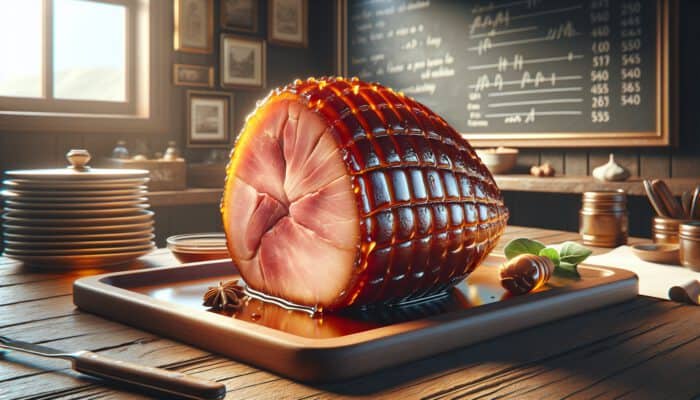
The application of heat is vital during the glazing process. As the ham cooks, the glaze caramelises, converting sugars into a rich and deep flavour that provides an enticing finish. To achieve the perfect texture, it is imperative to monitor the cooking temperature closely. A helpful rule of thumb is to maintain your oven temperature between 160-180°C (320-350°F). This temperature range allows the glaze to caramelise effectively without burning. Additionally, regularly checking the internal temperature is crucial to ensure that the meat remains tender while achieving a crispy exterior. A meat thermometer is invaluable in this regard, providing accurate readings to help avoid overcooking and guarantee excellent results.
What Factors Contribute to Glaze Adhesion?
The adhesion of your glaze to the ham depends on several factors, including surface preparation and ingredient choice. For optimal adhesion, it is advisable to lightly score the surface of the ham before applying the glaze. This technique allows the glaze to penetrate the meat, enhancing both flavour and visual appeal. Additionally, using ingredients with sticky properties, such as honey or molasses, can help achieve an even coating. Applying the glaze in layers, rather than all at once, allows each layer to set properly before adding the next, resulting in a more robust and visually impressive finish.
What Are the Most Effective Techniques for Applying Glaze?
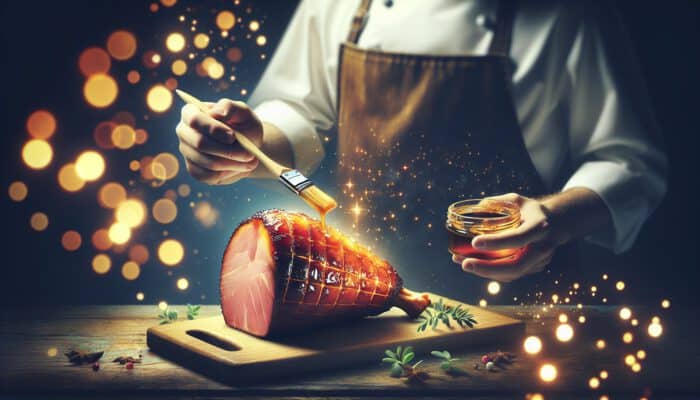
When it comes to applying glaze to your ham, two primary methods stand out: brushing and pouring. Brushing allows for precise application, ensuring even coverage across the surface. Utilise a high-quality basting brush and apply the glaze generously, taking care to coat all nooks and crannies for a polished outcome. Pouring can be more convenient; however, it requires careful attention to avoid uneven patches. Regardless of the method you choose, the key is to apply the glaze in thin layers, allowing it to caramelise properly without burning. This technique guarantees a visually appealing finish and a flavour-packed crust that will undoubtedly impress your guests.
How Do Glaze Ingredients Affect Ham Texture?
The choice of glaze ingredients significantly influences the texture of the ham. Ingredients such as sugars contribute to caramelisation, resulting in a crispy exterior that contrasts beautifully with the tender meat inside. Additionally, acidic components like vinegar or citrus juices can help tenderise the meat while providing a refreshing balance to the sweetness of the glaze. When selecting ingredients, aim for a harmonious blend that maintains the moisture content of the ham while enhancing its firmness. Experimenting with different combinations will enable you to discover the ideal balance that elevates both flavour and texture, ensuring an extraordinary dining experience.
What Are the Best Storage Techniques for Preserving Glazed Ham Texture?
Maintaining the texture of glazed ham after cooking is essential for preserving its quality. After glazing, allow the ham to rest for several minutes before carving; this crucial step aids in retaining moisture and enhancing tenderness. For storage, wrap the glazed ham tightly in foil or place it in an airtight container to prevent it from drying out. Refrigeration is essential, and when reheating, do so gently to maintain the glaze and texture. A low oven temperature, combined with a splash of broth or water, will help keep the ham moist while restoring its original appeal. Following these storage techniques ensures that your ham remains juicy and flavourful, ready to impress at your next meal.
Expert Tips for Achieving the Perfect Ham Glaze
What Are Advanced Glaze Recipes for Superior Results?
For those eager to enhance their glaze-making expertise, advanced recipes can yield extraordinary results. A tried-and-true method involves blending equal parts of honey and Dijon mustard, with a splash of apple cider vinegar for a tangy kick. This combination creates a complex flavour profile that pairs beautifully with the ham. Consider incorporating herbs like rosemary or thyme, which can add depth and a fresh aroma to your glaze. Experimenting with varying ratios can lead to exceptional outcomes, allowing you to refine your skills and adjust flavours to suit your palate. Real-world examples illustrate that a well-crafted glaze can transform an ordinary ham into a culinary masterpiece, making it a standout dish for any occasion.
How to Personalise Glazes to Suit Individual Tastes?
Personalisation is crucial when it comes to creating the perfect glaze. Start by assessing your taste preferences and those of your guests. For a sweeter profile, consider increasing the quantities of honey or brown sugar. If you prefer a more tangy experience, consider adding extra mustard or vinegar. The beauty of glazing lies in its versatility; feel free to experiment with spices or fruit zests to concoct a unique blend that resonates with your personal taste. Take inspiration from seasoned cooks who recommend maintaining a balance of sweetness and acidity to avoid overpowering the ham’s natural flavours. Tailoring recipes to individual preferences ensures a delightful dining experience that caters to everyone’s palate.
What Is the Best Method for Monitoring Your Glaze During Cooking?
Effective heat management is vital when glazing a ham. As the glaze cooks, it can rapidly change in colour and texture, signalling that it may be nearing completion. Regularly checking for visual cues, such as a rich caramel hue or slight bubbling, can help prevent overcooking. An ideal ham should feature a glossy glaze that is neither too dark nor burnt. Using a meat thermometer is also advantageous; aiming for an internal temperature of around 70°C (160°F) ensures a juicy, flavourful ham. By paying close attention to these details, you can achieve a perfectly glazed ham every time, resulting in a succulent dish that will delight your guests.
How Can Innovative Glazing Techniques Incorporate Local Australian Flavours?
Exploring innovative glazing techniques can unlock a treasure trove of flavour, especially when you incorporate local Australian ingredients. For instance, using eucalyptus honey can impart a unique floral note, while ground macadamia nuts can add a delightful crunch and richness to your glaze. Merging these elements with traditional ingredients creates a distinctive twist that enhances both texture and taste. Local fruits, such as quandong or finger lime, can also provide acidity and brightness, encouraging an exploration of native flavours that resonate with Australian cuisine. Avoid common pitfalls such as over-sweetening or improperly balancing flavours to achieve perfect results, celebrating the essence of Australian culinary traditions.
Research-Backed Advantages of Glazing Ham
How Does Glazing Enrich Flavour Profiles?
Glazing significantly enhances the flavour profile of ham by introducing intricate layers of taste that elevate the entire dish. Through the caramelisation process, the sugars in the glaze blend with the natural juices of the ham, creating a rich and complex flavour that delights the palate. This layering effect makes meals more enjoyable by interweaving both sweet and savoury notes that beautifully complement the ham. A well-glazed ham not only tantalises the taste buds but also inspires culinary experimentation with various ingredient combinations, leading to a versatile and dynamic dining experience.
What Are the Nutritional Benefits of Glazed Hams?
When crafted with care, glazed hams can offer nutritional advantages. Certain glazes can introduce additional nutrients, especially if you incorporate ingredients like fruit juices or natural sweeteners. For instance, using orange juice not only enhances the flavour but also adds a dose of vitamin C. It is vital to focus on balanced options that enhance the ham‘s appeal while retaining health benefits. This approach allows for a delicious meal that does not compromise on nutrition, making it suitable for a diverse audience, including those who are health-conscious.
What Are the Long-Term Benefits of Proper Glazing Techniques?
Employing proper glazing techniques can yield long-term benefits for both the quality and storage of ham. When executed correctly, glazing preserves the ham‘s texture and flavour over time. This means that even after refrigeration or reheating, the ham maintains its moisture and flavour, preventing dryness and ensuring that each bite remains as enjoyable as the first. Mastering effective glazing techniques allows you to savour your ham long after it has been cooked, making it a valuable addition to any culinary repertoire.
Key Tools for Effective Glazing
What Are the Best Brushes for Applying Glaze?
The right tools can significantly influence the outcome when it comes to applying glaze. Selecting a brush specifically designed for basting ensures an even application, which is crucial for achieving a polished finish. Silicone brushes are particularly effective because they do not shed bristles and are easy to clean. Consider the brush size; a larger brush can cover more surface area quickly, while a smaller brush allows for greater precision for detailed work. Proper maintenance of your brushes involves thorough cleaning after each use, which will extend their lifespan and ensure consistent results for future glazing tasks.
What Alternative Utensils Can Be Used for Effective Glaze Application?
Beyond brushes, several alternative utensils can be utilised for glaze application, offering versatility in the kitchen. Spoons can serve as effective tools, particularly when pouring glaze over the ham, allowing for precise control over the amount applied. Spray bottles can also be advantageous for achieving a fine mist of glaze, especially when seeking a lighter coating. Each method has its own pros and cons; while spoons are great for precision, they may require additional manual effort. Experimenting with various utensils can help you identify which best suits your cooking style and preferences.
Why Are Temperature Tools Vital for Glazing?
Temperature tools, particularly meat thermometers, are indispensable for glazing ham. They provide accurate readings that help prevent cooking mishaps, ensuring that the ham reaches the ideal internal temperature without overcooking. Using a thermometer allows you to closely monitor the cooking process and adjust heat levels as needed. Moreover, understanding the optimal temperature range for caramelisation aids in achieving that perfect crust without burning the glaze. Incorporating these tools into your glazing process not only improves results but also boosts your confidence in your cooking skills, leading to consistently delicious outcomes.
Effective Strategies for Glazing Ham
How to Time Your Glaze Application for Optimal Effect?
Timing is critical when it comes to glazing a ham. Ideally, the glaze should be applied during the final 30-45 minutes of cooking to prevent burning. This timing allows the glaze to meld with the meat, enhancing flavour without compromising the integrity of the sugar content. Strategically planning your glaze application maximises flavour integration, ensuring that the ham is perfectly caramelised and truly flavourful. By being mindful of timing, you can achieve a beautifully glazed ham that will impress at any dining occasion.
What Are the Benefits of Experimenting with Layered Glazes for Depth of Flavour?
Layering glazes can create a complex flavour profile that enhances the overall dish. Start with a base layer that serves as the foundation for your flavours, such as a honey-mustard blend. Once the first layer sets, build upon it with additional glazes or flavour components. Encourage creativity in the kitchen by suggesting combinations that highlight seasonal ingredients or local produce, making the dish uniquely your own. This technique fosters culinary innovation and allows for personal expression in the kitchen, resulting in truly memorable meals that resonate with your guests.
What Final Touches Can Enhance Presentation?
The final presentation of your glazed ham can greatly elevate its appeal, making it a striking centrepiece at your dining table. Garnishing with fresh herbs, such as parsley or rosemary, adds a vibrant pop of colour while enhancing aroma. Allow the ham to rest after cooking, which aids in redistributing juices for a moist texture. Additionally, consider carving the ham in an aesthetically pleasing manner, creating uniform slices that are visually appealing. Paying attention to these details ensures that your dish not only tastes exceptional but also looks stunning on the table, enhancing the overall dining experience for your guests.
How to Select Quality Ingredients for Your Glaze?
Choosing high-quality ingredients is essential for crafting an exceptional glaze that enhances the ham‘s flavour. Opt for fresh produce when selecting fruits or herbs to guarantee vibrant and dynamic flavour profiles. Australian honey, with its distinctive taste, can elevate sweet glazes, while various mustards can add depth and complexity. Balancing sweet and savoury elements is crucial to complement the ham without overwhelming it, creating a harmonious blend that excites the palate. Utilising local produce not only supports sustainable practices but also contributes to a unique taste experience that reflects the region’s culinary heritage.
What Are the Common Glazing Mistakes to Avoid?
Avoiding common glazing pitfalls can significantly influence the overall outcome of your dish. Over-glazing can lead to a burnt exterior, while incorrect heat application may disrupt flavours and textures. Closely monitoring the temperature, especially during the final stages of cooking, can help prevent these issues. Adjusting the timing of glaze application based on your specific recipe or cooking method is also critical. Learning from mistakes and adapting techniques will not only refine your skills but also ensure consistently excellent results in all your future ham glazing adventures.
FAQs About Glazing Ham
What is the best type of ham for glazing?
The ideal type of ham for glazing is a bone-in, fully cooked ham, such as a Smithfield or spiral-cut ham. These options provide an excellent base for flavour and moisture retention throughout the glazing process.
Can I prepare the glaze ahead of time?
Absolutely! You can prepare your glaze mixture a few days in advance and store it in an airtight container in the fridge. This approach streamlines the process, making it easy to have everything prepared for your cooking day.
What is the ideal temperature for glazing a ham?
The optimal oven temperature for glazing a ham is between 160-180°C (320-350°F). This range allows for proper caramelisation without burning the glaze, ensuring a delicious finish that enhances the ham‘s flavour.
How often should I apply glaze to the ham while cooking?
It is advisable to apply glaze every 15-20 minutes during the last 30-45 minutes of cooking. This frequency ensures that the glaze adheres well and caramelises effectively without burning, resulting in a beautifully finished dish.
Can I use fruit juices in my glaze?
Yes, fruit juices such as orange or pineapple juice can be excellent additions to your glaze. They impart flavour and acidity that balances the sweetness while enhancing the overall taste of the ham.
How do I prevent my glaze from burning?
To prevent burning, apply the glaze during the latter part of cooking and monitor the temperature closely. Using a lower oven temperature during glazing can also help mitigate this issue, ensuring a perfect finish without burnt flavours.
Is it necessary to score the ham before glazing?
Scoring the ham is not strictly necessary, but it aids in better glaze adhesion and allows for deeper flavour penetration. It also creates a more visually appealing finish once caramelised, enhancing the overall presentation.
What are some alternatives to traditional glaze ingredients?
You can experiment with various ingredients such as balsamic vinegar, maple syrup, or even local Australian ingredients like macadamia nuts or bush honey to create unique flavour combinations for your glaze.
Can I freeze glazed ham leftovers?
Yes, you can freeze glazed ham leftovers. Ensure they are wrapped tightly to prevent freezer burn and maintain quality. When reheating, do so gently to preserve the glaze and texture for optimal enjoyment.
How can I reheat glazed ham without drying it out?
To reheat glazed ham without drying it out, wrap it in foil and add a splash of broth or water to retain moisture. Heat in a low oven until warmed through, ensuring it remains juicy and flavourful for your meal.
Connect with Us on Facebook!
The post Best Ways to Glaze a Ham: Tips for Perfect Results appeared first on https://cookinggods.com
The Article Glaze a Ham Perfectly: Top Tips for Delicious Results Was Found On https://limitsofstrategy.com