The Importance of Early Detection of Iron Deficiency for Darlington Residents
Recognising Initial Symptoms in Our Community
Private Blood Testing for Iron Deficiency in Darlington: For the residents of Darlington, recognising the early signs of iron deficiency through blood tests is vital. Identifying symptoms like fatigue and weakness allows for prompt medical intervention. Early access to NHS services can prevent complications associated with untreated iron deficiency, such as anaemia.
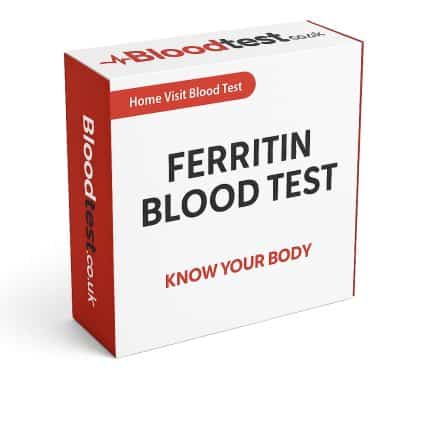

Local healthcare providers deliver specialised guidance and support, tailored to the community’s specific needs. This ensures that patients in Darlington receive appropriate care, significantly enhancing their quality of life. By taking a proactive approach to health, individuals can achieve better outcomes, contributing to a healthier community overall.
The NHS’s Essential Role in Community Screening Initiatives
The NHS is instrumental in providing structured blood testing services throughout Darlington. This initiative ensures that residents have timely access to diagnoses and treatments for iron deficiency. By backing community health initiatives, the NHS fosters a healthier environment for everyone.
Local clinics are equipped with state-of-the-art technology and trained professionals to conduct these tests effectively. This commitment to health screening highlights the NHS’s dedication to safeguarding the wellbeing of the Darlington community, empowering residents to manage their health effectively.
What Factors Affect the Precision of Blood Tests for Iron Deficiency in the Area?
Various factors can influence the accuracy of blood tests for iron deficiency in Darlington. Diet is a significant contributor, as certain foods can enhance or hinder iron absorption. medications that patients are taking may also affect test outcomes, making it essential for healthcare providers to consider these elements.
Clinics in Darlington adhere to strict protocols to ensure reliable results for all patients seeking care. By understanding the variables that can affect test accuracy, healthcare professionals can deliver more precise diagnoses and personalised treatment plans, ultimately improving patient outcomes.
Expert Perspectives on Blood Testing for Iron Deficiency in Darlington
Case Studies Demonstrating Patient Pathways in Darlington
Healthcare professionals in Darlington utilise advanced techniques to assess blood samples for iron levels. For instance, if a patient presents with fatigue, a series of blood tests may be performed to identify any deficiencies. Based on these results, doctors can recommend personalised interventions, such as dietary modifications or supplements.
These patient pathways illustrate the significance of personalised care in addressing iron deficiency. By focusing on individual needs, healthcare providers in Darlington ensure that residents receive the most effective treatment, ultimately enhancing their overall health and wellbeing.
Commitment to Laboratory Standards in Local Testing Facilities
Laboratories in Darlington comply with national standards, ensuring accurate measurements and consistent quality in blood tests for iron deficiency. This adherence to high standards is crucial for precise diagnoses and effective treatments. Local facilities are equipped with the latest technology and skilled technicians to uphold these standards.
Patients can have confidence that their blood tests are conducted with the utmost care and precision. This reliability fosters trust in the healthcare system, encouraging residents to seek assistance when needed, knowing they will receive accurate and timely results.
Expert Review of Follow-up Care Options
After blood tests, specialists in Darlington analyse the results to guide residents towards effective management strategies. Depending on the severity of the deficiency, healthcare providers may recommend dietary changes, supplements, or further testing to monitor iron levels.
This follow-up care is vital for ensuring that patients remain on the path to recovery. By providing expert evaluation and support, healthcare professionals in Darlington empower individuals to take control of their health and make informed decisions regarding their treatment options.
What is the Testing Process in Local Clinics?
Initial Consultation Steps for Patients
In Darlington, patients typically commence their journey with a consultation at their GP, discussing symptoms and health concerns. If iron deficiency is suspected, the GP will refer them for a blood test at a nearby NHS facility. This streamlined process ensures patients receive timely care and minimises delays in diagnosis.
Once referred, patients can anticipate efficient processing times for their blood tests. Many clinics in Darlington prioritise quick turnaround times, enabling individuals to receive results promptly and initiate any necessary treatment without unnecessary delays.
Essential Preparation Guidelines for Residents
To ensure accurate results, clinics provide guidance on how to prepare for blood tests. Important preparation tips for residents include:
- Avoiding iron supplements for 24 hours before the test.
- Fasting for at least 12 hours, if advised by the healthcare provider.
- Staying hydrated by drinking water prior to the test.
- Informing the clinic of any medications currently being taken.
Understanding these guidelines aids patients in contributing to the accuracy of their test results, leading to improved health outcomes.
Sample Handling Protocols in Medical Facilities
Proper collection and transportation of blood specimens are essential for maintaining the integrity of test results. Staff at Darlington medical centres are trained to follow strict sample-handling protocols to prevent contamination or degradation of samples.
After collection, blood samples are meticulously labelled and transported to the laboratory for analysis. This careful attention to detail ensures that patients receive accurate results, which are critical for diagnosing iron deficiency and determining appropriate treatment options.
Key Preparations Before Undergoing Testing
Recommended Dietary Changes
Before undergoing a blood test for iron deficiency, residents in Darlington are advised to implement specific dietary adjustments. Avoiding certain foods, such as dairy products and high-fibre items, can prevent skewed iron readings. This helps ensure that the test results accurately reflect the patient’s iron levels.
Healthcare providers often recommend refraining from taking iron supplements in the days leading up to the test. By adhering to these dietary guidelines, patients can facilitate reliable test results, which are essential for effective diagnosis and treatment.
Guidance on Scheduling Appointments
Booking appointments for blood tests through local NHS services is crucial for ensuring convenient access and minimised wait times. Patients can often schedule appointments online or via phone, allowing them to choose times that suit their availability.
Utilising local services simplifies the process and fosters a sense of community in Darlington. Residents can feel confident knowing they are accessing nearby resources for their healthcare needs, ultimately enhancing their overall experience.
Recommended Clothing for Blood Draws
Wearing loose-fitting clothing can facilitate the blood draw process during visits to Darlington clinics. Patients are encouraged to wear short sleeves or clothing that allows easy access to the arm, where blood samples are typically collected.
This simple adjustment can enhance patient comfort, reducing anxiety associated with blood tests. By ensuring that clothing choices do not hinder the procedure, individuals can focus on their health and wellbeing during their appointment.
What Symptoms Suggest the Need for Iron Testing?
Identifying Common Symptoms Such as Fatigue
Chronic fatigue is one of the most prevalent signs that may lead a doctor in Darlington to recommend a blood test for iron deficiency. Patients frequently report feeling unusually tired, which can significantly disrupt their daily lives and overall wellbeing.
Recognising this symptom is crucial, as it may indicate underlying health issues that require attention. By addressing fatigue through testing, residents can take proactive steps to improve their health and prevent more serious complications.
Impact on Daily Life
Symptoms such as weakness and shortness of breath can impede daily activities, making it vital for individuals in Darlington to seek testing for iron deficiency. These symptoms often reduce productivity and can lead to a decline in quality of life if left untreated.
Early testing in local facilities supports better health management for affected individuals. By promptly identifying iron deficiency, healthcare providers can recommend suitable interventions, allowing patients to regain their strength and vitality.
Important Questions to Discuss with Your GP
When consulting with a GP about potential iron deficiency, patients should consider asking the following questions:
- What symptoms should I monitor regarding iron deficiency?
- How is the blood test performed, and what should I expect during the process?
- Are there any dietary modifications I should implement before the test?
- What treatment options are available if I am diagnosed with iron deficiency?
These inquiries can help patients gain a clearer understanding of their health and the importance of testing for iron deficiency.
Physical Symptoms Indicating Low Iron Levels
Physical indications such as pallor, brittle nails, and hair loss can signify low iron levels, prompting individuals in Darlington to seek professional medical guidance. Recognising these symptoms is essential, as they can serve as warning signs of iron deficiency that warrant further investigation.
When patients display these signs, healthcare providers can recommend appropriate blood tests to assess iron levels. Early detection can facilitate timely treatment, assisting individuals in regaining their health and preventing complications associated with untreated deficiencies.
Cognitive and Emotional Changes
Experiencing difficulties with concentration or unexplained mood fluctuations may indicate underlying iron deficiency. These cognitive and emotional alterations can significantly affect daily life, making it crucial for patients in the Darlington area to request blood tests through their local healthcare providers.
By addressing these symptoms promptly, healthcare professionals can offer guidance and support to help individuals manage their health more effectively. Understanding the connection between iron levels and mental wellbeing is vital for promoting overall health within the community.
Research-Backed Advantages of Blood Testing for Iron Deficiency in Darlington
Practical Steps for Understanding Your Test Results
Accurate testing for iron deficiency facilitates timely treatment, significantly boosting energy levels and overall wellbeing among patients in Darlington. Understanding test results is crucial for patients to make informed health decisions.
Healthcare providers typically offer clear explanations of test findings, guiding individuals on subsequent steps. Empowering patients with knowledge enables them to make proactive choices regarding their health and wellbeing, leading to improved long-term outcomes.
Long-Term Health Benefits of Regular Monitoring
Consistent monitoring through local NHS tests mitigates risks associated with untreated iron deficiency. For Darlington residents, this proactive approach supports sustained wellness and helps avert complications linked to low iron levels.
Long-term benefits include increased energy levels, enhanced immune function, and a reduced risk of developing chronic conditions. By prioritising regular blood tests, individuals can ensure they maintain optimal health throughout their lives.
Insights from Clinical Research
Data from clinical studies indicate that early intervention through blood tests results in fewer hospital visits among residents in Darlington experiencing iron-related issues. This evidence underlines the importance of proactive health management and the role of regular testing in preventing complications.
By identifying iron deficiency early, healthcare providers can implement effective treatment plans, alleviating the burden on local healthcare facilities. This proactive strategy benefits not only individual patients but also enhances the overall health of the community.
Advantages of Personalised Treatment Approaches
Numerous studies affirm that blood tests for iron deficiency available in Darlington enable customised treatment plans. Tailoring interventions to individual needs improves patient recovery rates and reduces the prevalence of chronic fatigue among affected individuals in the region.
Personalised treatment strategies ensure that patients receive the most effective care, aiding them in regaining their health and vitality. This focus on individualised care reflects the commitment of Darlington’s healthcare providers to support the wellbeing of their community.
Enhancing Community Health Through Regular Screening
Research from local health authorities reveals that regular iron deficiency screening via blood tests in Darlington promotes better immune function. Improved health outcomes lead to decreased absenteeism from work or school due to related health concerns, benefiting the entire community.
By prioritising iron deficiency screening, residents can enhance their overall health and productivity. This community-oriented approach fosters a healthier population, ultimately resulting in a more vibrant and resilient Darlington.
Where to Access Top-Quality Testing Facilities?
Hospital-Based Blood Testing Services
Darlington Memorial Hospital provides comprehensive blood testing services for iron deficiency, with dedicated phlebotomy teams managing appointments daily. Patients can expect a professional and efficient experience when visiting the hospital for their blood tests.
The hospital’s commitment to high-quality care ensures that residents receive accurate results and timely treatment options. This access to testing facilities is essential for managing iron deficiency within the community.
Utilising Community Clinics for Convenient Testing
Several GP surgeries in Darlington offer convenient on-site testing, minimising travel requirements for local patients needing iron level checks. This accessibility is crucial in encouraging residents to seek testing and treatment without the added burden of lengthy journeys.
By providing testing services within the community, these clinics support the health and wellbeing of Darlington residents. Patients can easily access necessary care, promoting a proactive approach to managing their health.
What Support Is Available for Urgent Cases?
Rapid referral pathways ensure timely blood tests at approved Darlington locations for those exhibiting severe symptoms that necessitate swift evaluation. This system is crucial for addressing urgent cases of suspected iron deficiency, allowing healthcare providers to respond quickly to patient needs.
Patients experiencing severe symptoms can rest assured that local facilities are well-equipped to handle urgent situations. This level of support reinforces the commitment of Darlington’s healthcare system to prioritising patient safety and wellbeing.
Interpreting Results Effectively and Determining Next Steps
Discussing Outcomes with Healthcare Professionals
Patients in Darlington receive thorough explanations of blood test results, enabling informed decisions about available treatment options within NHS care. This transparency is vital for fostering trust between patients and healthcare providers.
By collaboratively reviewing outcomes, doctors can guide patients through the next steps, ensuring they comprehend their options for managing iron deficiency. This cooperative approach empowers individuals to take charge of their health and wellbeing.
Local Treatment Plans Based on Test Findings
Based on blood test results, healthcare providers in Darlington may prescribe supplements or dietary changes to assist residents in their recovery. This customised approach ensures that patients receive the most effective treatment suited to their unique needs.
Ongoing support from local healthcare providers is essential for monitoring progress and making necessary adjustments to treatment plans. By creating a supportive environment, Darlington’s healthcare system aids individuals in achieving optimal health outcomes.
Essential Lifestyle Recommendations Following Testing
Follow-up appointments are crucial for tracking progress and ensuring effective resolution of iron deficiency. Key lifestyle recommendations for individuals in Darlington may include:
- Incorporating iron-rich foods into their daily meals.
- Maintaining a balanced diet with adequate vitamin C to enhance iron absorption.
- Staying hydrated and engaging in regular physical activity.
- Attending follow-up appointments as scheduled to monitor iron levels.
These recommendations promote long-term health and wellbeing, empowering residents to actively manage their iron deficiency.
Frequently Asked Questions
What does a blood test for iron deficiency involve?
A blood test for iron deficiency measures the levels of iron in your blood to assess whether you have sufficient iron for healthy bodily functions.
How should I prepare for a blood test?
Preparation typically involves avoiding iron supplements and specific foods for a day prior to the test. Your healthcare provider will provide detailed instructions.
What symptoms are associated with iron deficiency?
Common symptoms include fatigue, weakness, pale skin, brittle nails, and cognitive changes such as difficulty concentrating.
How long does it take to receive blood test results?
Most blood test results are available within a few days, although this may vary depending on the clinic and the specific tests conducted.
What should I do if my test results show low iron levels?
If your results indicate low iron levels, your doctor may recommend dietary changes, supplements, or further testing to determine the underlying cause.
Can I request a blood test without a referral?
In some cases, you may be able to request a blood test directly from your GP, but a referral is often necessary for specific tests.
Are blood tests for iron deficiency covered by the NHS?
Yes, blood tests for iron deficiency are generally covered by the NHS, provided they are deemed medically necessary by your healthcare provider.
Which foods are rich in iron?
Iron-rich foods include red meat, poultry, fish, lentils, beans, tofu, fortified cereals, and leafy green vegetables.
How often should I be tested for iron deficiency?
The frequency of testing depends on your individual health needs, but those at risk may be advised to undergo regular testing.
What are the risks associated with untreated iron deficiency?
Untreated iron deficiency can lead to anaemia, fatigue, compromised immune function, and in severe cases, complications, making timely testing essential.
Visit our Facebook profile!

This Article Was First Found On https://bloodtest.co.uk
The Article Iron Deficiency Blood Test Available Locally in Darlington found first on https://electroquench.com