Identify Key Factors Contributing to Kidney Function Decline
What are the primary triggers of initial kidney damage?
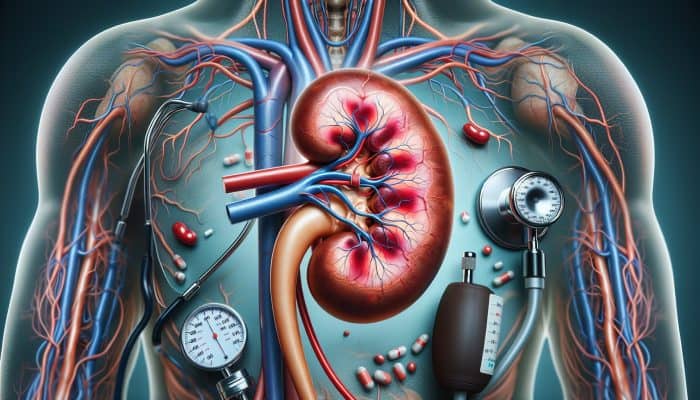
Understanding the reasons behind the decline in kidney function is pivotal for grasping the concept of kidney health. Initial damage to the kidneys often stems from persistent health conditions such as hypertension, which affects around 30% of adults in the UK. Known as the silent killer, hypertension frequently goes unnoticed until it inflicts considerable damage. Early detection through NHS screenings is vital, as it can significantly mitigate health risks and encourage lifestyle modifications that positively impact health outcomes. By fostering increased awareness and routine monitoring, individuals can take proactive measures in managing their health and well-being.
In addition to hypertension, diabetes significantly contributes to kidney damage, with its incidence in the UK steadily increasing. Many individuals may remain oblivious to their risk status until notable renal damage has occurred, underscoring the necessity for regular check-ups and monitoring of both blood pressure and glucose levels. Consistent consultations can provide crucial insights into effectively managing these risks and preserving kidney health over time.
Other factors, such as obesity and high cholesterol levels, also pave the way for kidney complications. Given the interconnected nature of these health issues, adopting a comprehensive approach to health is essential for protecting kidney function. Emphasising preventative strategies, as outlined in <a href="https://limitsofstrategy.com/normal-liver-enzyme-levels-uk-health-guidelines-explained/">NHS guidelines</a>, can lead to significant enhancements in renal health and overall well-being.
What are the key risk factors identified by health data?
Understanding the primary risk factors associated with declines in kidney function is crucial for implementing effective management and intervention strategies. Numerous proactive measures can dramatically improve health outcomes for individuals at risk, with the following benefits underscoring the importance of timely interventions:
- Reduced likelihood of progressing to chronic kidney disease
- Enhanced management of blood pressure and blood sugar levels
- Improved overall health and well-being
- Increased adherence to treatment plans
- Lowered long-term healthcare costs
A major contributor to kidney disease in the UK is diabetes. As this condition impacts a significant portion of the population, tailored NHS guidelines are essential for individuals diagnosed with it. These guidelines not only advocate for consistent monitoring but also highlight the importance of dietary changes and regular physical activity to slow the progression of kidney dysfunction. Empowering patients through education about their health conditions is vital for effective self-management and long-term health maintenance.
Incorporating lifestyle modifications, such as adopting healthier dietary practices and maintaining regular physical activity, can yield significant health benefits. The NHS prioritises early detection and community support, which are critical in effectively managing and reducing risk factors associated with kidney health.
What are the long-term effects on renal health?
The long-term repercussions of declining kidney function can be considerable, especially in urban areas of the UK where environmental and genetic factors frequently exacerbate these challenges. Over time, individuals may encounter a gradual decline in renal function, potentially leading to serious complications such as chronic kidney disease (CKD), which may ultimately result in complete kidney failure.
Proactive management through local health services is not merely beneficial; it is vital for maintaining kidney function over the long term. Regular health check-ups and screenings are essential for detecting early signs of deterioration. Emphasising lifestyle adjustments, including dietary modifications and increased physical activity, can significantly enhance prognosis and improve quality of life.
Furthermore, genetic predispositions can play a substantial role in kidney health, with certain ethnic groups being at an elevated risk for kidney disease. Therefore, understanding one's health history is crucial for empowering individuals to adopt preventive measures. Engaging with healthcare professionals to evaluate risk factors and develop personalised management plans is essential for achieving optimal health outcomes.
What strategies can be employed to prevent kidney decline?

In the UK, implementing preventive strategies such as engaging in regular exercise and quitting smoking is essential in addressing the rising occurrences of kidney dysfunction linked to obesity and other lifestyle-related issues. The NHS has initiated several programmes aimed at fostering healthier living, which can significantly enhance kidney health and overall well-being.
Regular participation in physical activities emerges as one of the most effective means to avert kidney decline. Simple lifestyle changes, such as opting to walk or cycle instead of driving, can seamlessly integrate essential physical movement into daily routines. These efforts yield even greater benefits when supported by community initiatives, such as local health clubs or walking groups, that nurture camaraderie and motivation.
Moreover, smoking cessation programmes have demonstrated considerable promise in lowering the risk of kidney disease. The detrimental effects of tobacco on health are well-documented; quitting smoking not only helps preserve kidney function but also strengthens cardiovascular health while decreasing the likelihood of developing diabetes, a significant risk factor for kidney decline.
How Does Diet Influence Kidney Health?
What factors significantly impact dietary habits?
Diet plays a crucial role in safeguarding kidney health. Poor nutritional choices, often tied to prevalent eating patterns across the UK, can markedly accelerate kidney decline. A diet lacking in fruits and vegetables can create imbalances, placing undue stress on renal function. Adhering to the British dietary guidelines, which promote a balanced intake of essential nutrients, can bolster kidney function and support overall health.
Individuals frequently face challenges in maintaining healthy eating habits due to the fast-paced lifestyle prevalent in the UK. Busy schedules often lead to a reliance on convenience foods, which tend to be high in unhealthy fats and sugars. Consequently, making a conscious effort to incorporate more whole foods, such as fresh fruits, vegetables, and whole grains, is vital for long-term health and kidney preservation.
Another critical aspect is the management of portion sizes. Learning how to control portion sizes effectively can help stave off weight gain, a significant risk factor for kidney decline. Educational campaigns launched by local health authorities seek to raise awareness about the importance of balanced diets and the harmful effects of poor nutritional choices on kidney health.
Why is it important to monitor salt and protein intake?

Monitoring both salt and protein intake is vital for protecting kidney health, particularly in the UK, where the excessive consumption of processed foods is prevalent. High sodium consumption can lead to hypertension, which is detrimental to kidney function. The NHS underscores moderation, recommending a daily salt intake of no more than 6g to safeguard renal health.
Excessive protein consumption can also pose risks, especially for those already experiencing kidney complications. High-protein diets may exert additional pressure on the kidneys, worsening existing issues. Understanding the balance between protein needs and kidney health is crucial, particularly for individuals with chronic conditions.
Embracing healthier dietary choices involves being alert to hidden sources of salt in processed foods and opting for fresh, whole ingredients whenever feasible. Adjusting recipes to reduce salt content while enhancing flavour with herbs and spices can greatly improve overall dietary quality and kidney health.
What is the role of hydration in kidney health prevention?
Maintaining adequate hydration is fundamental for preserving kidney health. Insufficient fluid intake, common in the hectic lifestyles of many individuals in the UK, can severely compromise kidney function. Regular hydration, as advised by health experts, is crucial for ensuring kidney filtration efficiency and overall renal health.
Proper hydration aids in the elimination of waste products through urine, thereby lowering the risk of kidney stones and urinary tract infections, both of which can jeopardise kidney health. It is essential to consume enough water throughout the day, particularly during physical activity or in warmer months.
Incorporating water-rich foods, such as fruits and vegetables, can significantly contribute to overall hydration. Furthermore, public health initiatives often emphasise the importance of hydration, especially in schools and workplaces, to promote kidney health from an early age.
Expert Insights on Risk Factors
What actionable steps can high-risk groups take?
Identifying actionable steps for high-risk populations is essential in addressing declines in kidney function. Real-world evidence from UK studies suggests that age-related risks necessitate tailored approaches. For example, older adults frequently experience a natural decline in kidney function, making regular checks via GP services crucial to address factors such as hypertension and diabetes.
Experts advocate for routine screenings to monitor blood pressure and kidney function, particularly for individuals with a family history of kidney disease. Collaborating with healthcare professionals to develop personalised management plans can significantly improve health outcomes. Routine discussions about lifestyle modifications and adherence to treatment plans are vital to mitigating risks associated with kidney health.
Moreover, educational programmes aimed at high-risk groups can dramatically raise awareness and encourage proactive health management. Community workshops that offer insights into maintaining a healthy lifestyle can empower individuals to take charge of their health and well-being while fostering a supportive environment.
What is the expert analysis on genetic influences regarding kidney health?
Hereditary factors significantly influence kidney health, as evidenced by UK family health records. Genetic predispositions can increase vulnerability to kidney disease, making it crucial to understand one’s family health history. Specialists recommend seeking genetic counselling through NHS pathways if a notable family history of kidney issues exists.
Genetic testing may yield valuable insights into specific risks, enabling healthcare providers to implement targeted preventive measures effectively. Early identification through family health history can facilitate timely interventions, significantly improving management outcomes and enhancing quality of life.
Additionally, engaging with community resources, such as local health clinics, can ensure individuals receive the support and guidance necessary to comprehend their unique health profiles and risks. This proactive approach is essential in combating the decline of kidney function and ensuring better health outcomes.
What trusted strategies are available for early intervention?
Implementing early intervention strategies grounded in solid evidence and expert analysis is vital for kidney health. Lifestyle modifications can significantly assist in slowing the decline in kidney function. Research from the UK highlights the advantages of structured exercise programmes for managing health, particularly for those at risk of CKD.
For instance, participating in community fitness classes or walking groups can provide both physical activity and social support, which are invaluable for maintaining motivation. Health professionals frequently recommend incorporating physical activity into daily routines, focusing on enjoyable activities to promote adherence and long-term commitment.
Additionally, education concerning dietary choices is paramount. Workshops that teach individuals how to prepare healthy meals can empower them to make informed decisions that benefit their health. Evidence from national studies illustrates that informed patients are more likely to take an active role in managing their health, leading to improved long-term outcomes and quality of life.
What Are the Signs of Declining Kidney Function?
What early indicators should you be aware of?
Identifying early indicators of kidney function decline is essential for timely intervention. Subtle symptoms such as fatigue and alterations in urination patterns are frequently reported by patients in the UK, often dismissed as signs of normal ageing or stress. However, these symptoms may signify underlying health issues that necessitate immediate attention.
Timely recognition through community health initiatives, such as awareness campaigns, can enable effective treatment before the condition worsens. Encouraging individuals to monitor their health and seek medical advice when encountering unusual symptoms is a vital component of preventive care that can lead to improved health outcomes.
Moreover, being cognizant of risk factors can enhance self-monitoring, prompting early consultations with healthcare professionals. Regular check-ups allow for monitoring and assessment, enabling interventions that can effectively preserve kidney function and promote overall health.
Why do symptoms vary from individual to individual?
The symptoms of declining kidney function can vary significantly from person to person, influenced by factors such as age, underlying health conditions, and genetic predispositions. This variability complicates diagnosis and underscores the necessity for personalised approaches in healthcare.
Understanding personal health histories is essential for accurate diagnosis and treatment. For instance, individuals with a family history of kidney disease may exhibit different symptoms than those without such a background. The NHS encourages comprehensive health assessments to tailor interventions to each patient’s unique circumstances and needs.
Additionally, demographic factors within the UK, such as ethnicity and socioeconomic status, can further complicate symptom presentation. Awareness of these variations helps healthcare providers offer more precise diagnoses and treatments, ultimately improving patient outcomes and quality of life.
How does the progression to advanced stages occur?
As kidney function declines, symptoms often intensify, leading to more significant health challenges. Early stages may present mild symptoms, but as the condition progresses, patients in the UK may experience increased fatigue, swelling, and appetite changes. Regular monitoring through kidney care networks is essential for effectively managing these symptoms and preserving kidney function.
Timely interventions can dramatically alter the trajectory of kidney disease. Regular consultations with healthcare providers allow for adjustments to treatment plans, potentially preventing more severe complications. Proactive engagement with healthcare professionals can lead to better symptom management and improved quality of life.
Furthermore, education on recognising worsening symptoms can empower patients. Community support groups can provide vital resources and encourage discussions, enabling individuals to share experiences and strategies for maintaining health as they navigate the complexities of kidney disease.
What is the role of diagnostic tests in kidney health?
In the UK, diagnostic tests such as blood and urine analyses are crucial for confirming signs of declining kidney function. These tests provide essential information for healthcare professionals, assisting in assessing kidney health and determining appropriate treatments. The NHS ensures these tests are readily accessible to patients, promoting early detection and intervention.
Blood tests measuring creatinine levels and glomerular filtration rate (GFR) are vital in evaluating kidney function. Urinalysis can reveal abnormalities, such as protein, indicating potential kidney damage. Engaging in regular testing allows for early detection of issues, which is critical for effective management and preserving kidney health over time.
Ultimately, these diagnostic tests play a fundamental role in shaping treatment plans, enabling healthcare professionals to tailor interventions to individual needs, thus improving management and patient care.
When should you seek medical help regarding kidney health?
In Britain, recognising when symptoms of declining kidney function warrant immediate medical attention is crucial for effective health management. Individuals should reach out to their GP or utilise NHS services if they experience persistent symptoms such as unexplained fatigue, changes in urination, or swelling. Early intervention can prevent complications and significantly support long-term health and well-being.
Being aware of risk factors, along with a clear understanding of personal health history, enables individuals to make informed decisions regarding their health. Engaging in regular health discussions and screenings helps ensure that emerging issues are addressed promptly, fostering proactive health management and improved outcomes.
Additionally, community awareness campaigns play a significant role in educating the public about kidney health. These initiatives encourage individuals to seek help when needed, ultimately improving outcomes for those at risk of kidney disease and related complications.
Research-Backed Benefits of Prevention
How can effective routines be implemented?
Establishing effective routines is crucial for minimising the risk of kidney function decline. Evidence from UK trials indicates that regular physical activity substantially diminishes the risk of chronic diseases, including kidney disease. Incorporating habits such as controlled exercise, in accordance with local health guidelines, can promote sustained kidney health while enhancing overall fitness.
Creating a routine that includes physical activity, whether through structured exercise programmes or daily walks, can foster long-term health benefits. Community initiatives promoting these routines, such as local sports clubs or fitness classes, can inspire individuals to engage consistently and improve their overall health and well-being.
Moreover, cultivating a supportive environment where friends or family participate in these routines can enhance accountability and enjoyment. This sense of community can significantly impact adherence to healthy behaviours, ultimately benefiting kidney health and overall quality of life.
What are the key benefits of medical monitoring?
Routine medical monitoring is an integral component of effective healthcare, particularly concerning kidney function. Adhering to UK health protocols, regular testing facilitates early detection of issues, enabling timely interventions that enhance outcomes and minimise complications. This proactive approach to health management can substantially alter outcomes for individuals at risk of kidney disease.
Regular check-ups enable healthcare professionals to continuously monitor kidney function. These assessments guide adjustments in treatment plans, ensuring patients receive tailored care that meets their unique needs and circumstances. The advantages of routine assessments cannot be overstated, as they play a critical role in maintaining optimal kidney health and preventing further decline.
Furthermore, public awareness campaigns often highlight the importance of regular monitoring, encouraging individuals to prioritise their health. Understanding the benefits of routine assessments can empower patients to advocate for their health and seek the necessary screenings and interventions.
What are the long-term advantages of increasing awareness?
Enhancing public knowledge about kidney health and disease prevention is a vital strategy for improving overall health outcomes. Actionable steps derived from UK studies indicate that increasing awareness through community education leads to proactive care, ultimately preventing severe outcomes related to kidney disease.
Engaging the public through health campaigns, workshops, and informational sessions fosters a culture of prevention. These initiatives provide insights into risk factors and motivate individuals to adopt healthier lifestyles while seeking routine medical care to maintain kidney health.
Moreover, establishing support networks within communities can strengthen these efforts, providing platforms for individuals to share experiences and strategies. This collective approach enhances knowledge and fosters accountability, ultimately leading to better health outcomes for the entire community.
What nutritional interventions can help prevent?
Nutritional interventions are a critical aspect of the preventive strategy for kidney health. UK studies indicate that a balanced diet, rich in fruits and vegetables while low in processed foods and additives, can substantially reduce disease risk. Following National Health Service guidelines can enhance kidney function and promote overall health and well-being.
Individuals are encouraged to make informed dietary choices, focusing on whole foods that support kidney health. Educational programmes promoting meal planning and cooking skills can empower communities to prioritise nutrition and make healthier choices for their diets.
Additionally, community initiatives centred on gardening or local food production can improve access to fresh produce, facilitating adherence to dietary recommendations. These efforts can create a sustainable environment that supports long-term health and well-being.
What is the role of community support in preventive care?
Community support plays a crucial role in preventive care for kidney health. Research from UK public health initiatives reveals that community-based programmes, such as group activities and peer support, significantly enhance adherence to preventive measures. This fosters accountability, reduces isolation, and encourages participation in health-promoting activities.
By tapping into community resources, individuals can access support systems that encourage healthier behaviours. Local groups focused on fitness or nutrition can provide essential social interaction, facilitating the adoption and sustainability of healthy habits.
Furthermore, these community initiatives can raise awareness of kidney health, empowering individuals to take charge of their care and seek necessary interventions. A collective approach can yield significant benefits, ultimately enhancing the overall well-being of entire communities and promoting kidney health.
What Lifestyle Factors Contribute to Kidney Decline?
How does sedentary behaviour impact kidney health?
Inactivity, a prevalent concern in many UK workplaces, poses significant risks to kidney health. Sedentary behaviour adversely affects the kidneys, leading to heightened risks of obesity and chronic diseases. Incorporating daily physical activity, as recommended by health authorities, can counteract these negative effects and support kidney function while enhancing overall health.
Simple modifications, such as opting for stairs instead of lifts or taking short walks during breaks, can collectively improve health outcomes. Employers can cultivate a movement-friendly culture by encouraging physical activity within the workplace, thereby promoting overall well-being and kidney health.
Community initiatives aimed at reducing sedentary behaviour, such as local walking clubs or fitness challenges, can motivate individuals to remain active. Creating an environment that encourages movement is crucial for long-term health preservation and kidney function.
Why is stress management crucial for kidney health?
Chronic stress, increasingly common in the fast-paced life of the UK, exacerbates kidney issues. Elevated stress levels can lead to hypertension and other health complications that strain renal function. Techniques such as mindfulness and relaxation, as advocated by NHS resources, are essential for maintaining kidney health and overall well-being.
Implementing effective stress management strategies, such as meditation or yoga, can significantly alleviate stress levels. Regular practice benefits not only mental well-being but also physical health, including kidney function and disease resistance, which are crucial for preventing kidney decline.
Community workshops focusing on stress management can equip individuals with the tools needed to cope effectively. By creating environments that prioritise mental health, communities can enhance members’ overall well-being and promote healthier lifestyles that support kidney health.
What environmental factors contribute to kidney health risks?
Environmental factors, such as pollution and urban living in the UK, can exacerbate the decline in kidney function. Exposure to harmful pollutants can lead to various health issues, including increased risks of chronic kidney disease. Adopting protective measures, such as improving air quality practices, is vital for preserving kidney health and preventing disease.
Individuals can incorporate strategies to minimise exposure, such as using air purifiers and advocating for cleaner community environments. Public health initiatives aimed at reducing pollution can play a pivotal role in promoting kidney health and shielding individuals from harmful environmental exposures.
Moreover, community engagement in environmental advocacy can foster a collective commitment to improving health outcomes. Collaborative efforts to maintain cleaner air and living conditions can enhance the overall health of the population, ultimately leading to better kidney function and health.
How does a poor diet accelerate kidney decline?
Unhealthy dietary choices, including excessive consumption of processed foods and inadequate intake of fruits and vegetables, are prevalent in the UK and can significantly hasten kidney decline. The NHS advises adopting a balanced diet, rich in essential nutrients and low in harmful additives, to maintain health and counteract potential dangers to renal function.
Individuals are encouraged to favour whole foods over processed options, concentrating on fresh produce that supports kidney health. Educational programmes that teach cooking skills can empower individuals to make healthier dietary choices that benefit both kidney health and overall well-being.
Furthermore, community initiatives that improve access to nutritious foods, such as local farmers’ markets or food cooperatives, can significantly enhance dietary habits. Promoting healthier consumption patterns is essential for preserving kidney health over the long term and fostering better health outcomes.
What are the effects of smoking and alcohol on kidney health?
The consumption of tobacco and alcohol, common in certain UK communities, accelerates kidney decline through their toxic effects on vital organs. Both substances can worsen existing health conditions, leading to increased risks of chronic kidney disease. Organisations such as the NHS offer resources for cessation and moderation, assisting individuals in reducing risks and maintaining overall kidney function.
Community support for smoking cessation and responsible drinking can considerably improve health outcomes. Local initiatives that provide resources and encouragement for individuals seeking to quit smoking or reduce alcohol intake can foster healthier living environments.
Additionally, enhancing public awareness about the risks associated with smoking and alcohol consumption is crucial. Educational campaigns can empower individuals to make informed choices regarding their health, ultimately benefiting kidney function and overall well-being.
FAQs
What are the common causes of kidney function decline?
The common causes include chronic conditions like hypertension and diabetes, poor dietary choices, and lifestyle factors such as inactivity and smoking. Early detection and lifestyle changes are crucial in mitigating these risks and maintaining kidney health.
How can diet impact kidney health?
A balanced diet rich in fruits and vegetables is vital for kidney health. Conversely, excessive salt and protein intake can strain the kidneys, necessitating careful monitoring of dietary habits to maintain optimal function.
What are the early signs of declining kidney function?
Early signs include fatigue, changes in urination patterns, swelling, and unexplained symptoms. Recognising these signs early can lead to timely interventions and better management of kidney health.
Why is regular medical monitoring important for kidney health?
Regular medical monitoring enables early detection of kidney issues, allowing timely interventions that can significantly improve health outcomes and prevent progression to severe stages of kidney disease.
How does stress affect kidney function?
Chronic stress can exacerbate health issues such as hypertension, which poses risks to kidney function. Managing stress through techniques such as mindfulness is crucial to maintaining renal health and overall well-being.
What are effective lifestyle changes to prevent kidney decline?
Effective lifestyle changes include maintaining a balanced diet, engaging in regular physical activity, staying hydrated, and avoiding smoking and excessive alcohol consumption to support kidney health.
What role do genetics play in kidney health?
Genetic predispositions can heighten vulnerability to kidney disease. Understanding family health histories can help identify risks and implement preventive measures effectively to support kidney function.
When should I seek medical help regarding kidney health?
Seek medical help if you experience persistent symptoms such as fatigue, changes in urination, or swelling. Early consultation can lead to effective management and prevent complications associated with kidney disease.
What community resources are available to support kidney health?
Community resources include local health initiatives, support groups, educational workshops, and NHS services that promote kidney health and preventive care, providing essential guidance for individuals.
How can I stay informed about kidney health?
Staying informed involves engaging with healthcare professionals, participating in community health initiatives, and accessing resources from organisations such as the NHS to enhance awareness and knowledge of kidney health.
Join the conversation on Facebook!
This Article Was First Found On https://bloodtest.co.uk
The Article Kidney Function Decline: Understanding Causes and Risks Was Found On https://limitsofstrategy.com