Your Ultimate Guide to Understanding Cholesterol Levels in Norwich
How to Start Your Cholesterol Assessment Journey
Private Blood Test for High Cholesterol in Norwich: Residents typically begin their cholesterol awareness journey with a referral from their GP for lipid profiling. This essential process is supported by local NHS services, ensuring accurate measurement of cholesterol ratios. Evaluating these levels is crucial, as it allows for a comprehensive assessment of cardiovascular risks influenced by various factors, including age and lifestyle choices common in the United Kingdom.

The initial assessment presents a vital opportunity for residents to discuss their cardiovascular health with medical professionals. Identifying cholesterol levels early allows individuals to take proactive steps to mitigate potential risks. This initial step is fundamental to preventive healthcare, aligning with the NHS’s commitment to enhancing community health outcomes.
What Are the Key Risk Factors for High Cholesterol?
Identifying elevated cholesterol levels early provides numerous advantages for Norwich residents, including:
- Timely interventions to avert heart disease.
- Personalised lifestyle advice from healthcare professionals.
- Greater understanding of how dietary choices impact health.
- Access to NHS support programmes for cholesterol management.
Regular check-ups at community health centres empower individuals to take charge of their health. Recognising their risk factors enables patients to make informed lifestyle choices, which are essential for long-term wellbeing. This proactive mindset not only enhances personal health but also positively impacts the overall health of the Norwich community.
Where Can You Find Local Cholesterol Testing Services?
Local clinics in Norwich offer convenient access to NHS blood tests, streamlining the process for residents to monitor their cholesterol levels. These services are designed to support preventive care for heart health throughout the United Kingdom. Local GP surgeries and health centres are fully equipped to perform these tests, ensuring timely and effective care for residents.
The presence of testing facilities in Norwich is a significant asset for the community. By providing both routine checks and follow-up appointments, these clinics play a crucial role in promoting community health. This accessibility fosters a culture of health awareness and encourages individuals to take proactive steps in managing their cholesterol levels.
What Lifestyle Changes Can Help Prevent High Cholesterol?
Residents of Norwich are strongly encouraged to adopt heart-healthy diets abundant in fruits, vegetables, and whole grains. Reducing processed food intake is a fundamental method for lowering LDL cholesterol levels, which is essential for sustaining cardiovascular health. NHS guidelines advocate for these dietary adjustments as part of a comprehensive health strategy.
To dietary changes, engaging in regular physical activity is advisable to further enhance heart health. Exercise not only aids in controlling cholesterol levels but also contributes positively to overall wellbeing. By embracing these preventive lifestyle modifications, residents can considerably lower their risk of cardiovascular diseases and improve their quality of life.
What Is Involved in the Cholesterol Blood Testing Process in Norwich?
How Is the Blood Sample Collected for Testing?
A cholesterol blood test typically involves a straightforward venous blood draw, which can be performed at various GP surgeries or hospitals in Norwich. This uncomplicated procedure facilitates accurate laboratory analysis of LDL and HDL levels, both of which are critical for formulating effective treatment plans. The accessible testing facilities ensure that residents can prioritise their health with minimal disruption to their daily routines.
Once the blood sample is collected, it is dispatched to a laboratory for analysis. The efficiency of this process is paramount, as timely results enable healthcare providers to make informed decisions regarding patient care. This streamlined approach underscores the dedication of local health services to support the wellbeing of Norwich residents through accessible healthcare options.
What Does the Laboratory Analysis Process Involve?
Before undergoing a cholesterol blood test, patients in Norwich may be advised to fast for 9 to 12 hours. This preparation is crucial to ensure the accuracy of the results, particularly for LDL cholesterol measurements. After blood collection, samples are promptly processed at regional UK laboratories, which are equipped to deliver precise results within a few days.
The laboratory analysis focuses on measuring various types of cholesterol in the blood. Understanding these results is vital for healthcare providers to recommend appropriate lifestyle changes or medications tailored to individual patient needs. This analysis is foundational for effective cholesterol management in Norwich and contributes to improved health outcomes.
How Are Cholesterol Test Results Interpreted?
Once the cholesterol test results are available, doctors in Norwich review them to provide personalised recommendations. This may involve dietary adjustments, increased physical activity, or the introduction of medication to effectively manage cholesterol levels. The emphasis is on personalised care, ensuring each patient receives tailored advice based on their unique health profile.
Interpreting cholesterol results necessitates understanding the balance between LDL (bad cholesterol) and HDL (good cholesterol). A healthcare provider will explain the significance of these levels and discuss the most suitable course of action. This collaborative approach fosters a supportive environment for patients as they navigate their health journey.
What Are the Evidence-Based Benefits of Cholesterol Testing in Norwich?
How Does Cholesterol Testing Promote Preventive Health Outcomes?
Research indicates that timely cholesterol testing can yield significant preventive health benefits for residents in Norwich. Real-world examples illustrate how individuals have successfully reduced their risk of cardiovascular disease following early diagnosis and lifestyle changes supported by NHS programmes. These proactive measures often lead to enhanced health and improved quality of life.
Patients who engage in regular cholesterol testing frequently report increased awareness of their health status. This awareness empowers them to make informed decisions regarding their lifestyle and healthcare. The connection between preventive testing and positive health outcomes underscores the importance of routine check-ups as a fundamental component of a comprehensive health strategy in Norwich.
How Can Regular Testing Enhance Cardiovascular Protection?
Routine cholesterol checks in Norwich are essential for decreasing heart disease rates. By facilitating early intervention, these tests support proactive management of cardiovascular health, in alignment with United Kingdom health guidelines. The ability to identify and address high cholesterol levels before they escalate into serious complications offers a considerable advantage for residents.
The impact of consistent testing extends beyond individual patients; it enhances the health of the entire community. As more residents adopt preventive health measures, the collective risk of heart disease diminishes, resulting in a healthier population. This community-wide benefit highlights the importance of accessible testing services in promoting cardiovascular health.
What Support Is Available for Long-Term Wellness?
Incorporating cholesterol blood tests into annual health routines provides lasting advantages for communities in Norwich. Regular monitoring enables healthcare providers to track changes over time and adjust treatment plans as necessary. This ongoing support is crucial for maintaining long-term health and preventing complications associated with high cholesterol.
Expert analysis suggests that communities prioritising regular testing experience superior overall health outcomes. By fostering a culture of preventive care, residents are more inclined to adopt healthy lifestyle choices, ultimately contributing to a healthier and more vibrant Norwich. This long-term health approach emphasises the significance of routine cholesterol testing.
What Insights Have Been Gained from Clinical Research?
Studies conducted in Norwich medical centres highlight a strong correlation between regular cholesterol blood testing and a reduced incidence of associated complications. Empirical data collected from patient follow-ups over several years support this finding, showcasing the effectiveness of preventive health measures. These studies align with United Kingdom research protocols, reinforcing the importance of routine testing.
The evidence suggests that patients who undergo regular cholesterol checks are more likely to maintain healthier cholesterol levels and experience fewer cardiovascular problems. This research underscores the role of healthcare providers in facilitating access to testing and endorsing a proactive approach to health management in Norwich.
What Are the Key Benefits of Early Detection in Norwich?
How Does Early Detection Minimise Health Complications?
Prompt identification of high cholesterol through blood tests in Norwich can significantly reduce health complications. By facilitating timely NHS-managed care, patients can avoid serious issues such as strokes and heart attacks. This proactive approach is essential for safeguarding residents’ health and ensuring timely interventions when necessary.
The advantages of early detection extend beyond immediate health concerns. By swiftly addressing high cholesterol levels, patients can implement lifestyle changes that promote long-term health. This focus on prevention not only enhances individual wellbeing but also benefits the overall health of the Norwich community.
How Do Patients Gain Empowerment for Informed Treatment Decisions?
After cholesterol testing, Norwich patients gain clarity regarding their treatment options. Understanding their cholesterol levels enables individuals to make informed choices about effectively managing their health within the UK healthcare system. This knowledge is crucial for navigating available options, including lifestyle modifications and medications.
Discussions stemming from test results cultivate a collaborative relationship between patients and healthcare providers. By openly discussing treatment alternatives, patients can feel more confident in their ability to manage their cholesterol levels and overall health. This informed approach is vital for achieving positive health outcomes in Norwich.
How Does Early Detection Improve Community Health Outcomes?
Following a positive cholesterol test result, residents of Norwich often receive targeted advice that promotes healthier overall wellbeing. Lifestyle modifications, such as embracing a nutritious diet and increasing physical activity, are encouraged as part of a comprehensive health strategy. These changes not only benefit individual health but also enhance community health outcomes.
As more residents engage in healthy behaviours, the collective health of Norwich improves. This ripple effect underscores the importance of community support in fostering a healthier environment. By prioritising wellness and preventive care, residents can contribute to a health-conscious culture that benefits everyone in the area.
What Do Experts Say About Cholesterol Testing in Norwich?
What Recommendations Do Healthcare Professionals Make?
For adults in Norwich seeking reliable testing, it is essential to follow actionable steps through established local NHS providers. Scheduling regular check-ups with a GP is a fundamental first step, as they can evaluate individual risk factors and recommend appropriate testing. Engaging with healthcare professionals ensures that residents receive the necessary guidance to manage their cholesterol effectively.
Staying informed about local health initiatives can enhance the testing experience. Many community health centres offer resources and support for individuals aiming to improve their cholesterol levels. By utilising these services, Norwich residents can optimise their health management strategies.
How Are Evidence-Based Approaches Utilised?
Experts in Norwich analyse trends to optimise testing frequency and follow-up protocols, improving health outcomes. Evidence-based strategies ensure that residents receive the most effective care tailored to their unique health profiles. Regular assessments enable healthcare providers to identify changes in cholesterol levels and adjust treatment plans as needed.
This emphasis on evidence-based care reflects a commitment to enhancing health outcomes within the community. By leveraging data and research, healthcare professionals can improve the quality of care for patients in Norwich, ensuring they receive optimal support in managing their cholesterol levels.
What Strategies Foster Patient Success?
Following expert guidance on cholesterol management in Norwich offers several key benefits:
- Enhanced understanding of personal health risks.
- Increased motivation to adopt healthier lifestyle choices.
- Access to continuous support from healthcare providers.
- Greater likelihood of achieving optimal cholesterol levels.
These strategies empower patients to take control of their health and make informed decisions. By actively participating in their health management, residents can achieve better outcomes and contribute to a healthier Norwich community.
Where Can You Find Dependable Cholesterol Testing Services in Norwich?
What NHS Clinic Options Are Accessible?
Residents in Norwich have access to numerous NHS clinics offering free or low-cost cholesterol testing as part of the United Kingdom’s healthcare provisions. These clinics are strategically located across the city, ensuring residents can conveniently access essential health services. This accessibility is a significant advantage for individuals prioritising their health.
The NHS clinics foster a welcoming atmosphere where patients can receive comprehensive care. By providing testing services alongside health consultations, these clinics support a holistic approach to health management. This commitment to community health is crucial for nurturing a healthier Norwich.
What Private Testing Alternatives Are Available?
For those considering non-NHS options, several facilities in Norwich offer private testing services that provide quicker results while upholding high standards. These private alternatives cater to individuals seeking immediate feedback regarding their cholesterol levels. Although costs may apply, the convenience of faster results can be appealing for many residents.
Private testing facilities often provide a range of services that complement cholesterol testing, including comprehensive health assessments. This flexibility allows patients to customise their healthcare experience based on their specific needs, ensuring they receive optimal support for managing their cholesterol levels.
What Tips Should You Follow When Booking Appointments?
Patients in Norwich should book appointments in advance through their GP practices to ensure seamless access to blood testing services. Waiting times may vary, so planning ahead is crucial for securing timely appointments. By being proactive, residents can minimise delays and prioritise their health.
Patients can inquire about the availability of specific testing times or express preferences for morning or afternoon slots. This level of communication helps streamline the process and enhances the overall experience for individuals seeking cholesterol testing in Norwich.
How Can Home Testing Kits Be Utilised?
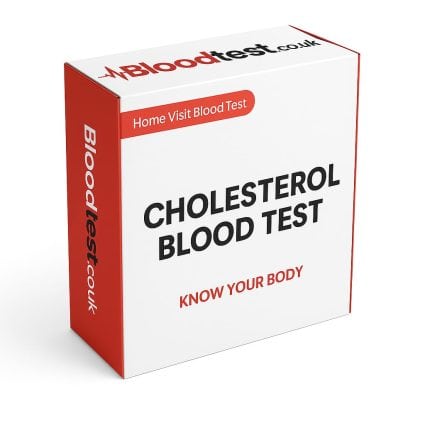
Residents across Norwich can obtain reliable home testing kits from local pharmacies or NHS-approved services. These kits allow for private sample collection with clear instructions for mailing samples to accredited laboratories for precise analysis. This option offers a convenient alternative for individuals preferring to manage their health from home.
Home testing kits are designed for ease of use, enabling residents to monitor their cholesterol levels without the need to visit a clinic. This accessibility supports a proactive approach to health management, empowering individuals to take charge of their wellbeing in ways that fit their lifestyles.
What Specialist Laboratory Services Are Available?
Accredited laboratories in Norwich process samples from various providers, delivering precise results for a range of tests while adhering to national standards. These laboratories play a crucial role in the healthcare ecosystem, ensuring that patients receive accurate and timely information about their cholesterol levels.
The quality of laboratory services is essential for effective health management. By maintaining high standards and complying with national protocols, these facilities support both routine and urgent diagnostic needs. This commitment to excellence enhances overall health outcomes for residents in Norwich.
What Is the Importance of Post-Testing Follow-Up Care in Norwich?
How Are Ongoing Monitoring Plans Established?
Regular follow-ups are essential for Norwich residents to track their progress and adjust treatments as necessary through NHS support. After receiving cholesterol test results, patients are encouraged to schedule follow-up appointments to discuss their health status and any required adjustments to their management plans. This ongoing monitoring is crucial for maintaining optimal health.
Healthcare providers in Norwich are dedicated to supporting patients throughout their health journeys. By offering regular check-ins, they ensure that individuals remain informed and engaged in their health management. This proactive approach nurtures a culture of accountability and empowerment among residents.
What Guidance Is Available on Dietary and Exercise Practices?
Embracing heart-healthy habits after testing provides several key advantages for residents in Norwich:
- Reduced cholesterol levels through improved dietary choices.
- Increased energy levels from regular physical activity.
- Enhanced overall wellbeing and mental health.
- Better management of weight and associated health risks.
These lifestyle changes are fundamental to supporting long-term health. By prioritising nutrition and exercise, residents can significantly enhance their cardiovascular health and decrease the risk of complications associated with high cholesterol. This holistic approach to health is vital for cultivating a healthier community in Norwich.
How Can Medication Management Be Done Effectively?
Doctors in Norwich prescribe suitable options available in the United Kingdom to effectively control cholesterol levels. After a cholesterol test, healthcare providers will discuss potential medications necessary to manage high cholesterol. This personalised strategy ensures that patients receive the most appropriate care based on their individual health profiles.
The process of medication management involves regular reviews and adjustments as needed. Healthcare providers collaborate closely with patients to monitor their progress and make informed decisions regarding treatment plans. This teamwork is essential for achieving optimal cholesterol control and promoting overall health.
What Role Do Support Groups Play in Patient Engagement?
Patients who have undergone testing in Norwich can access dedicated support groups that provide emotional assistance and practical advice on lifestyle changes. These groups serve as invaluable resources for individuals navigating change, helping them successfully integrate new behaviours with guidance from experienced practitioners.
Participation in support groups cultivates a sense of community among patients. Sharing experiences and challenges can motivate individuals to remain committed to their health goals. This social support is a critical aspect of effective health management, particularly for those managing high cholesterol.
How Should Residents Approach Seeking Urgent Care?
Understanding when to seek urgent medical attention after initial tests is crucial for Norwich residents. Prompt action through local services can prevent complications and ensure continuous monitoring by qualified healthcare professionals. Patients should be mindful of symptoms that may indicate deteriorating health, such as chest pain or severe fatigue.
By recognising when to seek assistance, residents can take proactive steps to protect their health. This awareness is vital for effectively managing high cholesterol and minimising the risk of serious complications. Access to urgent care services in Norwich guarantees residents have the support they need during critical moments.
What Common Questions Arise About Cholesterol Testing?
What Exactly Is a Cholesterol Blood Test?
A cholesterol blood test measures the levels of various types of cholesterol in your blood, including LDL (bad cholesterol) and HDL (good cholesterol). This assessment helps evaluate your risk of heart disease and informs treatment options.
How Often Should I Get My Cholesterol Tested?
It is generally advisable to have cholesterol levels checked every 4 to 6 years. Individuals with risk factors may require more frequent testing as recommended by their healthcare provider.
What Should I Do If My Cholesterol Levels Are Elevated?
If your cholesterol levels are high, consult your healthcare provider for personalised recommendations. This may include dietary changes, increased physical activity, or medication to effectively manage your levels.
Can I Lower My Cholesterol Without Medication?
Yes, lifestyle modifications such as adopting a heart-healthy diet, engaging in regular exercise, and maintaining a healthy weight can significantly decrease cholesterol levels without the need for medication. Consult your healthcare provider for tailored advice.
Are There Risks Associated with a Cholesterol Blood Test?
Cholesterol blood tests are generally safe with minimal risks. The most common risk is slight discomfort or bruising at the site where blood is drawn. Serious complications are rare.
What Is Considered a Healthy Cholesterol Level?
A healthy total cholesterol level is typically below 200 mg/dL. LDL levels should be less than 100 mg/dL, while HDL levels should be above 60 mg/dL. Consult your healthcare provider for personalised targets.
How Long Does It Usually Take to Receive Cholesterol Test Results?
Cholesterol test results are typically available within a few days. Some clinics may offer expedited services, allowing for quicker access to your results.
Can I Eat or Drink Before a Cholesterol Test?
You may be required to fast for 9 to 12 hours prior to the test to ensure accurate results. Water is generally allowed, but it is advisable to avoid food and beverages during the fasting period.
What Happens During a Cholesterol Blood Test?
During a cholesterol blood test, a healthcare professional will draw a small sample of blood from your arm. The sample is then sent to a laboratory for analysis of cholesterol levels.
Where Can I Obtain a Cholesterol Test in Norwich?
Cholesterol tests are available at NHS clinics, private facilities, and through home testing kits at local pharmacies. Consult your GP for specific recommendations tailored to your needs.
Explore our Facebook profile today!
This Article Was First Published On https://bloodtest.co.uk
The Article High Cholesterol Blood Test: NHS Guidance in Norwich found first on https://electroquench.com