Gain In-Depth Understanding of the FBC Test Available in Norwich
What is the FBC Test in Norwich and What Makes it Essential?
Private FBC Testing Services in Norwich: The Full Blood Count (FBC) test is a crucial diagnostic tool extensively employed across healthcare facilities in the UK, including Norwich. This vital test provides essential insights into a patient’s overall health by accurately quantifying various blood components, such as red blood cells, white blood cells, and platelets. In Norwich, healthcare professionals use the FBC test regularly to diagnose numerous conditions, including anaemia, infections, and a variety of other health disorders. The procedure is typically straightforward, involving the collection of a blood sample from a vein in the arm, which is then analysed in a laboratory.
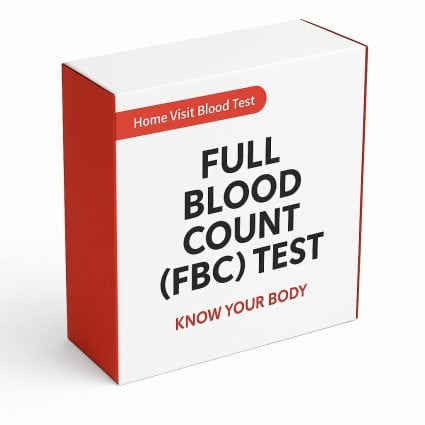

Individuals undergoing an FBC test in Norwich frequently report positive experiences, emphasising the test’s routine nature; many express feeling at ease throughout the process due to its efficient and uncomplicated execution. For instance, consider a patient suffering from unexplained fatigue. After consulting their GP, they receive a recommendation for an FBC test. The resulting analysis not only provides crucial information about possible deficiencies or health concerns but also guides the subsequent steps in their medical treatment and care.
Understand the Key Components of FBC Testing
FBC testing comprises several critical components, each providing valuable information regarding a patient’s health. This process is meticulously organised to ensure accuracy and reliability, adhering to established protocols within UK laboratories. The primary elements of an FBC test include:
- Haemoglobin (Hb): Measures the concentration of the oxygen-carrying protein in the blood.
- Haematocrit (Hct): Assesses the proportion of blood volume occupied by red blood cells.
- Red Blood Cell Count (RBC): Indicates the number of red blood cells present in a specific blood volume.
- White Blood Cell Count (WBC): Measures the number of white blood cells, essential for immune function.
- Platelet Count: Determines the number of platelets, which are vital for blood clotting processes.
- Mean Corpuscular Volume (MCV): Measures the average size of red blood cells.
- Mean Corpuscular Haemoglobin (MCH): Assesses the average haemoglobin content within each red blood cell.
- Mean Corpuscular Haemoglobin Concentration (MCHC): Evaluates the average concentration of haemoglobin in red blood cells.
Each of these components plays a crucial role in diagnosing a range of health conditions. For example, a low haemoglobin level may indicate anaemia, while an elevated white blood cell count could suggest a bacterial infection. By analysing these elements in detail, healthcare providers in Norwich can tailor their treatment strategies to meet the specific health profiles of their patients.
Key Preparation Steps for Your FBC Test
Preparing for an FBC test in the UK, including Norwich, is relatively straightforward yet essential for ensuring accurate results. Patients are generally encouraged to discuss any specific instructions with their healthcare provider prior to the test. Typically, fasting is not necessary for an FBC test; however, it is highly advised that patients remain adequately hydrated. Drinking plenty of water in the hours leading up to the appointment can facilitate a smoother blood draw and significantly enhance the quality of the sample collected.
Booking an appointment is also a vital step in the process. Numerous local clinics and hospitals in Norwich provide FBC testing services, often with minimal waiting times. Patients can usually schedule appointments through their GP or directly at the testing facility. Creating a comfortable environment can help reduce any anxiety associated with the blood draw. Understanding that the procedure involves a simple needle prick can greatly alleviate apprehension. Wearing loose-fitting clothing can also make it easier for the healthcare provider to access the arm for blood sample collection.
Charting the Historical Progression of FBC Testing in the UK
How Have FBC Testing Methods Advanced Over Time?
The evolution of FBC testing methods in the UK has been a captivating journey marked by significant advancements that have greatly enhanced diagnostic accuracy over the years. Initially, blood counts were conducted manually, involving laborious microscopic examinations and basic counting techniques. the latter half of the 20th century marked the introduction of automated analysers, revolutionising the field by enabling rapid sample processing and yielding more reliable results.
In Norwich, as throughout the UK, these automated systems have become standard in laboratories, significantly reducing the time taken to receive results. The shift from manual to automated testing not only improved efficiency but also enhanced measurement precision. This evolution reflects broader trends in UK healthcare, which emphasise the use of technology to improve patient outcomes, thereby solidifying the FBC test as a fundamental element of modern diagnostic practice.
What Notable Developments Have Occurred in FBC Testing?
FBC testing has witnessed numerous significant developments throughout its history, with protocols refined and accessibility enhanced for patients across the UK. Important milestones include the introduction of innovative reagents and methods that increase the accuracy of cell counts, along with the emergence of point-of-care testing devices that broaden the availability of FBC testing. Recently, the incorporation of artificial intelligence and machine learning in data interpretation has started to gain traction, offering the potential for even greater precision in diagnosing health conditions.
In Norwich, local healthcare providers have embraced these innovations, ensuring that patients benefit from the most up-to-date testing methodologies. For example, the integration of electronic health records with FBC results has improved the tracking of patients’ health over time, enhancing continuity of care. This adaptability showcases the NHS’s dedication to enhancing healthcare delivery through progressive advancements in diagnostic techniques.
Evaluating the Impact of FBC Testing on UK Healthcare
The impact of FBC testing on UK healthcare has been profound, fundamentally shaping public health strategies and enhancing disease detection capabilities. Serving as a cornerstone of routine health assessments, the FBC test plays a critical role in the early identification of conditions such as infections, blood disorders, and chronic diseases. This proactive approach enables timely interventions, reducing the risk of severe complications and supporting improved patient outcomes.
In Norwich, the FBC test has made significant contributions to local healthcare standards. By enabling early diagnosis and treatment, it has played a substantial role in decreasing hospital admissions and relieving the pressure on emergency services. The incorporation of FBC testing into routine health check-ups has fostered a culture of preventive care among residents, encouraging sustained engagement with healthcare providers. The historical contributions of FBC testing underscore its essential role in enhancing population health and ensuring the provision of high-quality medical services.
What is the Procedure for Conducting an FBC Test in Norwich?
Step-by-Step Breakdown of the FBC Testing Process
The procedural flow of FBC testing in Norwich is designed to be both efficient and centred around the patient. The process begins with a consultation in which a healthcare professional discusses the necessity of the test, reviews the patient’s medical history, and addresses any concerns the patient may have. Once the decision to proceed has been made, the patient is guided to a designated phlebotomy area for the blood draw. A healthcare provider will clean the area with an antiseptic wipe, apply a tourniquet to the upper arm to engorge the veins, and then insert a sterile needle into a vein, typically in the arm.
After the sample is collected, it is placed into special tubes containing anticoagulants to prevent clotting. These tubes are then labelled and transported to the laboratory for detailed analysis. In the lab, automated machines measure the various blood components, providing results typically within a few hours to a day, depending on the urgency of the request. The entire process is conducted following strict safety protocols to ensure the wellbeing of both patients and staff.
Tools Commonly Utilised in FBC Testing
The tools used in FBC testing are crucial for ensuring accuracy and reliability in results. UK laboratories employ a variety of standard devices, each serving a specific function within the testing process. Automated haematology analysers are among the most frequently used instruments, capable of performing multiple tests simultaneously while providing detailed information regarding blood cell counts and characteristics.
Other essential tools include pipettes for precise measurement of blood samples, centrifuges for separating blood components, and microscopes for manual verification of results when necessary. Each of these instruments plays a vital role in maintaining testing quality, ensuring that results are both accurate and timely. As laboratories in Norwich continue to adopt advanced technologies, the efficacy of FBC testing will only improve, ultimately benefitting patient care on a broader scale.
What Causes Variations in FBC Results Among Individuals?
Variations in FBC results can arise from several factors, particularly individual patient circumstances. One significant factor is diet; for example, a patient’s intake of iron-rich foods or hydration status can markedly affect haemoglobin and red blood cell counts. the timing of sample collection can influence results; samples taken in the morning or evening may differ due to natural diurnal variations in blood components.
Other factors that can affect FBC results include underlying medical conditions, medication use, and levels of physical activity prior to the test. Understanding these variables is crucial for healthcare providers in Norwich, as it enables them to interpret results more accurately by considering the broader context of a patient’s lifestyle and health history. This nuanced perspective ensures that diagnostic assessments are both precise and fully informed by the individual’s unique health profile.
Expert Views on FBC Testing in Norwich
Latest Advanced Techniques in FBC Testing
In the competitive field of diagnostic medicine, advanced FBC testing techniques are constantly evolving. Experts in Norwich advocate for the incorporation of sophisticated methods, such as flow cytometry and molecular diagnostics, to enhance the precision of blood analysis. Flow cytometry, for instance, allows for the detailed examination of blood cells, revealing insights into their size, complexity, and volume. This advanced technique can assist in identifying specific cell populations, proving particularly useful in diagnosing conditions such as leukaemia or lymphoma.
Another emerging technique involves next-generation sequencing to uncover genetic abnormalities that may not be evident through standard FBC results. Healthcare practitioners in Norwich are encouraged to implement these advanced methods to provide more comprehensive patient care. By incorporating such techniques into routine practice, practitioners can enhance their diagnostic capabilities, ultimately leading to better patient outcomes and more personalised treatment plans. Continuous education and training in these advanced methods are essential for medical professionals in Norwich to remain at the forefront of FBC testing.
How to Accurately Interpret FBC Results
Accurate interpretation of FBC results necessitates a thorough understanding of the various blood components and their implications. Healthcare professionals in Norwich leverage their expertise to analyse results beyond mere numerical values, seeking patterns that may indicate underlying health issues. For instance, a low red blood cell count combined with a high mean corpuscular volume might suggest macrocytic anaemia, prompting further investigation into potential vitamin deficiencies or other underlying health conditions.
Real-world examples highlight the importance of expert interpretation in clinical practice. A patient presenting with elevated white blood cell counts may raise concerns regarding infection or inflammation. a detailed examination of additional markers, such as differential white blood cell counts, can help pinpoint the specific cause. This level of analysis enables healthcare professionals to offer targeted treatment strategies informed by a comprehensive understanding of the patient’s health status, ultimately leading to improved outcomes.
Challenges and Solutions in FBC Testing
Despite its importance, FBC testing in Norwich faces several challenges. A common issue is the potential for sample contamination or haemolysis, which can lead to inaccurate results. To mitigate these risks, healthcare providers are increasingly adopting standardised procedures for blood collection and handling. Training staff in proper techniques is crucial to minimising human error during testing.
Another challenge involves ensuring patient compliance with pre-test protocols, such as maintaining hydration and avoiding certain medications that may affect results. Effective communication is vital; healthcare providers must educate patients on the importance of adhering to these protocols to achieve accurate results. By addressing these challenges with evidence-based strategies, healthcare professionals in Norwich can enhance the reliability of FBC testing and ultimately improve patient care.
What Health Benefits Does the FBC Test Provide in Norwich?
Significant Health Advantages of FBC Testing in Norwich
The health benefits of FBC testing are considerable, as this routine assessment can uncover critical information about a patient’s wellbeing. One of the primary advantages is the early detection of potential health concerns. For example, diagnosing anaemia based on low haemoglobin levels can lead to timely interventions, such as dietary changes or supplements, significantly enhancing a patient’s quality of life.
In Norwich, local healthcare providers place great emphasis on the role of FBC testing in preventive care. Regular monitoring through FBC tests facilitates the identification of abnormalities before they develop into more severe health problems. FBC testing supports the ongoing management of chronic illnesses, enabling timely treatment adjustments based on fluctuating blood parameters. In summary, the comprehensive nature of FBC testing makes it an invaluable tool for maintaining health and wellbeing within the community.
How Does FBC Testing Aid in Medical Diagnosis?
The FBC Test plays a vital role in supporting medical diagnosis within UK healthcare. By providing a detailed snapshot of a patient’s blood composition, healthcare professionals can swiftly and accurately identify numerous conditions. For example, elevated white blood cell counts can indicate an infection, while abnormal platelet levels may suggest clotting disorders.
The FBC test serves as a baseline for further investigations. If any abnormalities are detected, additional diagnostic tests can be ordered to clarify the underlying cause, ensuring that patients receive the most appropriate care. In Norwich, the incorporation of FBC testing into standard diagnostic protocols exemplifies its value, as it streamlines the diagnostic process and ultimately contributes to more effective and efficient patient management.
Long-Term Benefits of Regular FBC Testing for Patients in Norwich
Regular FBC testing in the UK, particularly in Norwich, offers long-term benefits that enhance health management strategies. One significant advantage is the effective monitoring of chronic conditions. For patients with conditions such as diabetes or hypertension, routine FBC testing enables healthcare providers to monitor changes in blood parameters and adjust treatment plans as necessary. This proactive approach supports improved disease management while reducing the risk of complications.
Regular FBC testing fosters a culture of preventive care among patients, prompting healthier lifestyle choices. Over time, patients become more attuned to their health needs and the importance of routine check-ups, nurturing a collaborative relationship with healthcare providers that promotes overall wellbeing. The long-term effects of these practices not only enhance individual health outcomes but also contribute to the sustainability of local healthcare systems.
- Improved management of chronic diseases
- Early detection of potential health issues
- Increased patient engagement in health maintenance
- Better allocation of healthcare resources
- Comprehensive health monitoring over time
- Promotion of preventive health strategies
- Informed decision-making for treatment adjustments
- Encouragement of healthier lifestyle choices among patients
Research-Backed Advantages of the FBC Test in Norwich
What Evidence Supports the Effectiveness of FBC Testing in the UK?
Research findings on FBC testing in the UK highlight its effectiveness in enhancing patient care. Numerous studies have demonstrated that routine FBC testing can lead to the early identification of health issues, ultimately improving patient outcomes. For instance, data collected from various healthcare settings in the UK reveal that patients who consistently undergo FBC testing are more likely to receive timely interventions for conditions such as anaemia and infections.
In Norwich, local studies have reinforced these findings, illustrating how FBC testing contributes to more effective management of chronic diseases. Physicians are encouraged to adopt evidence-based practices derived from research, enabling them to implement proactive measures that enhance patient health and wellbeing. The integration of this research into clinical practice exemplifies healthcare providers in Norwich’s commitment to leveraging data-driven strategies to improve patient outcomes.
FBC Testing as a Tool for Preventive Health in Norwich
FBC testing significantly supports preventive measures within the UK’s health systems. Studies indicate that regular FBC assessments can mitigate health risks through early intervention by enabling healthcare providers to identify abnormalities before they escalate into serious conditions. In Norwich, preventive health strategies incorporating FBC testing have shown promising results, particularly in managing chronic diseases and promoting overall health.
Healthcare professionals advocate for integrating FBC testing into routine health screenings to enhance the effectiveness of preventive care initiatives. By identifying potential health issues early on, healthcare systems can allocate resources more efficiently and develop targeted health programmes that address the unique needs of the local population. This proactive approach not only improves individual health outcomes but also contributes to the overall sustainability of the healthcare system in Norwich.
How is Success Measured with FBC Testing?
Success metrics for FBC testing in the UK are supported by numerous research initiatives that evaluate its effectiveness in clinical practice. These metrics often include the rate of early disease detection, patient adherence to follow-up treatments, and overall improvements in health outcomes. Data from local studies in Norwich highlight a positive correlation between regular FBC testing and improved patient management, with significant reductions in hospital admissions for preventable conditions.
Healthcare providers utilise these success metrics to refine their approaches to patient care. By analysing trends in FBC results and their implications for patient health, practitioners in Norwich can effectively tailor interventions to meet the specific needs of their patient population. This data-driven approach ensures that healthcare strategies are continually evolving, fostering a culture of quality improvement and accountability within the local healthcare system.
Enhancing Patient Outcomes in Norwich through FBC Testing
Evidence from studies conducted in Norwich shows that FBC testing significantly improves patient outcomes, particularly by facilitating earlier detection of health issues and better management of chronic conditions. Patients who undergo regular FBC assessments are more likely to identify potential health risks, allowing for timely interventions to prevent disease progression. For example, the early identification of anaemia can lead to prompt treatment, substantially enhancing a patient’s quality of life.
The ability to monitor patients over time through routine FBC testing promotes a collaborative approach to healthcare. Patients become active participants in their health management, working alongside healthcare providers to address any issues identified in blood tests. This partnership not only enhances patient satisfaction but also improves adherence to treatment plans, ultimately leading to better health outcomes in the community.
Understanding the Economic Impact of FBC Testing in Norwich
The economic impact of FBC testing in the UK has been a focal point of research, demonstrating its cost-effectiveness through early interventions and preventive measures. Studies indicate that investing in routine FBC testing can result in substantial savings for the NHS by reducing the need for more extensive treatments later. In Norwich, local healthcare providers are increasingly recognising the financial benefits associated with early diagnosis and management of health conditions.
Analysis of healthcare expenditure for untreated illnesses reveals that proactive measures, such as FBC testing, can significantly reduce overall healthcare costs. By improving the efficiency of care delivery and minimising complications from chronic diseases, FBC testing serves as a vital component of economic sustainability in the local health system. This financial perspective reinforces the importance of incorporating FBC testing into standard medical practice, ensuring that both patient care and economic considerations are addressed in healthcare delivery.
Why Choose the FBC Test in Norwich?
Ensuring Accessibility of FBC Testing Services in Norwich
The availability of FBC testing services in Norwich is commendable, owing to the extensive network of healthcare providers and local clinics that offer this essential diagnostic service. Patients can typically request an FBC test through their GP, who can refer them to a nearby facility with minimal wait times. many pharmacies and private healthcare providers have begun offering such testing services, thereby enhancing accessibility.
This widespread availability ensures that the residents of Norwich can easily incorporate FBC testing into their regular healthcare routines. The convenience of local testing services means that individuals do not need to travel far or endure lengthy delays for essential diagnostics. Accessibility plays a crucial role in promoting preventive health measures, encouraging residents to take proactive steps towards maintaining their health and wellbeing.
Cost-Effective Options for FBC Testing in Norwich
In the UK, FBC testing is generally perceived as a cost-effective solution for health monitoring, particularly when considering its potential for early condition identification. Within the NHS framework, patients often receive FBC testing at little to no direct cost, making it an economically viable option for individuals seeking routine health assessments. In Norwich, local clinics and healthcare providers are committed to offering affordable testing options, ensuring that cost does not become a barrier to essential health services.
For those opting for private testing, various options are available at competitive rates. This affordability, coupled with the significant health benefits associated with early detection, makes FBC testing an attractive choice for residents in Norwich. Overall, the economic considerations surrounding FBC testing underscore its importance as an integral part of healthcare provision within the community.
High Patient Satisfaction Rates with FBC Testing in Norwich
Patient satisfaction concerning FBC testing in the UK is notably high, reflecting the positive experiences many individuals have when undergoing this essential diagnostic procedure. Feedback from patients in Norwich frequently highlights the professionalism and compassion exhibited by healthcare providers, as well as the streamlined nature of the testing process. Many individuals report feeling at ease during the blood draw, thanks to the skill and empathy demonstrated by phlebotomists.
The timely delivery of results and the clarity of the information provided by healthcare professionals contribute to overall satisfaction. Many patients appreciate the opportunity to discuss their results in detail, fostering a deeper understanding of their health status. This focus on patient-centred care not only enhances satisfaction but also builds trust and confidence in the local healthcare system, encouraging residents to actively engage in their health management.
What Does the Future Hold for FBC Testing in the UK?
Identifying Emerging Trends in FBC Testing
Emerging trends in FBC testing in the UK are set to significantly influence the future of diagnostics. One notable trend is the incorporation of advanced technologies, such as artificial intelligence and machine learning, into blood sample analysis. These innovations can enhance the accuracy of interpretations and facilitate the detection of subtle changes in blood parameters that may signal emerging health issues.
The development of point-of-care testing devices allows for rapid FBC assessments outside conventional laboratory settings. This trend is particularly beneficial for patients in remote areas or those with mobility challenges, as it enhances accessibility to essential diagnostic services. As these technologies continue to evolve, the landscape of FBC testing is likely to undergo further transformations, ultimately improving patient care across the UK.
Integrating FBC Testing with Other Diagnostic Assessments
The future of FBC testing in UK healthcare may witness increased integration with additional diagnostic assessments. This holistic approach to patient evaluation provides a comprehensive understanding of health status, enabling healthcare providers to make better-informed decisions about treatment and management strategies. For instance, combining FBC results with metabolic panels or genetic testing can yield a more nuanced context for interpreting health data.
In Norwich, healthcare practitioners are already exploring these synergies, recognising that a multifaceted approach to diagnostics often leads to enhanced patient outcomes. By integrating various tests into a cohesive health assessment framework, healthcare providers can develop personalised treatment plans that cater to each patient’s unique needs, thereby improving the overall quality of care delivered.
Promoting Sustainability in FBC Testing Practices
Sustainability in FBC testing practices is becoming increasingly important as healthcare systems strive to minimise their environmental impact. In the UK, there is a growing focus on adopting eco-friendly practices such as reducing waste from single-use materials and implementing energy-efficient laboratory operations. In Norwich, local health facilities are actively pursuing sustainable practices, from optimising resource use to establishing recycling initiatives.
These efforts not only contribute to environmental sustainability but also enhance the overall efficiency of healthcare delivery. By embracing sustainable practices, healthcare providers in Norwich can ensure they meet patients’ current needs while safeguarding resources for future generations. This commitment to sustainability is a vital aspect of modern healthcare practice and aligns with broader public health objectives.
Navigating Regulatory Developments in FBC Testing
The evolving regulatory landscape surrounding FBC testing in the UK plays a crucial role in ensuring quality and safety within the healthcare system. Recent developments have centred on updating guidelines and standards to reflect technological advancements and shifts in best practices. For instance, current regulations emphasise the importance of laboratory accreditation and quality control measures in upholding the accuracy and reliability of results.
In Norwich, healthcare providers are adapting to these regulatory changes, ensuring that their practices align with national standards. This commitment to compliance not only enhances the quality of testing but also instils trust among patients. As regulations continue to evolve, healthcare professionals must stay informed and implement necessary adjustments to maintain high-quality care.
Innovations in Point-of-Care FBC Testing
Innovations in point-of-care FBC testing are rapidly gaining prominence in the UK, with the potential to transform how blood tests are conducted. These advancements enable healthcare providers to obtain results quickly and conveniently, often at the patient’s bedside or in a primary care setting. In Norwich, the application of portable testing devices is already being explored, providing opportunities for immediate diagnostics and timely clinical decisions.
The implications for patient accessibility and healthcare efficiency are substantial. With point-of-care testing, patients can receive instant feedback on their health status, fostering greater engagement in their care. this approach alleviates pressure on laboratory services, allowing for improved resource allocation within the NHS. As these innovations continue to advance, the future of FBC testing appears promising, with the potential to enhance healthcare delivery in Norwich and beyond.
Dispelling Common Misconceptions About the FBC Test
Addressing Myths Surrounding FBC Results
Common myths regarding FBC results often stem from misunderstandings about what the test can and cannot reveal. A prevalent misconception is that a normal FBC result guarantees a person’s overall health. In reality, while a normal count suggests no immediate concerns, it does not account for all potential health issues. Certain conditions may exist without causing significant alterations in blood parameters.
Some individuals believe that elevated blood cell counts always signify disease. This is misleading, as elevated counts can arise from various factors, including stress, physical activity, or even dehydration. Patients in Norwich must understand these nuances, as accurate interpretation of FBC results necessitates a comprehensive understanding of the individual’s health context.
What Conditions Does the FBC Test Not Detect?
While the FBC test is an invaluable diagnostic tool, it has limitations and does not identify every possible health issue. The test primarily focuses on blood components and cannot detect conditions such as certain cancers, infections, or metabolic disorders that may not significantly alter blood parameters. For instance, while an FBC may reveal abnormalities in blood counts, it does not provide insights into organ function or specific diseases.
Patients in Norwich should be aware that additional tests may be necessary to gain a complete picture of their health status. If symptoms persist despite normal FBC results, healthcare providers may recommend further testing, such as imaging studies or specific biochemical assays, to investigate underlying conditions more thoroughly. This understanding is vital for making informed decisions regarding health management.
Correcting Common Errors Related to FBC Testing
Several errors associated with FBC procedures often lead to confusion among patients. A common misunderstanding relates to the necessity of fasting before the test. Unlike some blood tests, an FBC does not typically require fasting; patients can eat and drink normally before the test. Clearing up these misconceptions is crucial to ensuring patients feel adequately prepared for their FBC testing without unnecessary anxiety.
Another frequent error involves the interpretation of FBC results. Patients may misinterpret fluctuations in blood counts as indicative of serious health issues when, in fact, such variations can be entirely normal. Educating patients in Norwich about the proper context and interpretation of their results can alleviate fears and foster a more informed approach to health management. Addressing these errors is key to cultivating a trusting relationship between patients and healthcare providers.
Frequently Asked Questions About FBC Testing
What is an FBC test?
An FBC test, or Full Blood Count, is a blood test that assesses various components of blood, including red blood cells, white blood cells, and platelets, providing valuable insights into a person’s health status.
How is an FBC test conducted?
The FBC test is conducted by drawing a blood sample from a vein in your arm, which is then analysed in a laboratory to determine levels of different blood components.
Do I need to fast before an FBC test?
Generally, fasting is not required before an FBC test. it is advisable to stay well-hydrated to facilitate the blood draw.
How long does it take to receive FBC test results?
FBC test results are typically available within a few hours to a day, depending on the urgency of the request and the laboratory’s processing capabilities.
What can an FBC test detect?
An FBC test can detect conditions such as anaemia, infections, blood disorders, and general health issues, but it may not identify every medical condition.
Is there any discomfort during the FBC test?
Most patients experience minimal discomfort during the FBC test, as it involves a quick needle insertion. Any pain usually subsides shortly after the procedure.
How often should I get an FBC test?
The frequency of FBC testing depends on individual health needs. Typically, it may be performed annually or more frequently for those with specific health conditions.
Can FBC results vary from person to person?
Yes, FBC results can vary due to factors such as age, sex, diet, and overall health, making individual context important for accurate interpretation.
What should I do if my FBC results are abnormal?
If your FBC results are abnormal, your healthcare provider will discuss the implications and may recommend further tests or treatment based on your specific situation.
Where can I get an FBC test in Norwich?
FBC tests are available at local clinics, hospitals, and some pharmacies in Norwich, making it convenient for residents to access this essential service.
Connect with us on Facebook!
This Article Was First Found On https://bloodtest.co.uk
The Article FBC Test in Norwich: The Ultimate UK Options Guide found first on https://electroquench.com