Ultimate Guide to Understanding Arthritis in Senior Dogs
What Causes Joint Pain in Aging Dogs?

Joint pain in senior dogs primarily arises from the gradual deterioration of cartilage over time. This degradation results in inflammation and discomfort during movement, affecting a wide range of senior dogs across various breeds and activity levels. Recognising the early signs of joint pain is crucial for preserving mobility and improving their overall quality of life.
As dogs age, they experience a decline in joint lubrication and an escalation of inflammatory processes. These conditions can lead to osteoarthritis, which is especially prevalent in senior canines. Various factors contribute to the development of joint issues, including genetic predispositions, prior injuries, and lifestyle choices. Dog owners must remain vigilant, observing any signs of discomfort in their pets.
Early identification of these signs is essential for successful arthritis management. By understanding the underlying causes of joint pain, pet owners can take proactive measures to support their ageing companions, ensuring continued comfort and activity throughout their senior years.
How Can You Recognise Early Signs of Pain in Dogs?
Pet owners should closely observe subtle behavioural changes in their dogs, as these can indicate potential joint problems. Common signs include difficulty rising, reluctance to jump, and a diminished interest in play. Such behaviours signal discomfort that necessitates immediate attention and supportive measures.
Alterations in daily habits, such as decreased activity levels or challenges with climbing stairs, can also suggest underlying joint pain. Recognising these changes is critical for early intervention. A previously active dog may become increasingly sedentary, exacerbating joint issues if not addressed.
Timely recognition of these early symptoms enables prompt veterinary consultations and the initiation of supportive therapies. Addressing discomfort early can substantially enhance a dog’s quality of life and sustain their mobility.
Why Is Weight Management Essential for Senior Dogs?
Maintaining an appropriate weight is vital for older dogs to prevent unnecessary strain on their joints. Obesity can exacerbate joint problems, making weight control a fundamental aspect of arthritis management. A balanced diet and careful portion control are key components of this strategy.
Regular weight monitoring helps pet owners adjust feeding routines as needed. Providing high-quality, nutrient-dense foods that support joint health can assist in achieving an ideal weight. This approach not only alleviates stress on the joints but also enhances overall health and vitality.
Implementing consistent, tailored exercise routines can significantly aid in weight management. Engaging in low-impact activities strengthens muscles without placing undue stress on ageing joints, contributing to long-term joint function and mobility.
How Can Nutrition Help Alleviate Arthritis Symptoms in Senior Dogs?
Which Anti-Inflammatory Ingredients Should You Include?
Choosing the right diet can profoundly influence arthritis management for senior dogs. Foods rich in <a href="https://elgatoencasa.com/omega-3-sources-for-shiny-pet-coats-top-choices/">omega fatty acids</a>, such as fish oil, and antioxidants, like blueberries, can effectively mitigate inflammation and support tissue repair in affected areas. Incorporating these elements into a dog’s diet can yield substantial long-term benefits.
An anti-inflammatory diet can alleviate pain and enhance mobility. Ingredients such as turmeric, known for its anti-inflammatory properties, can also prove beneficial when included in meals. Selecting high-quality dog food that prioritises such nutrient-dense ingredients is crucial for promoting joint health.
Consulting with a veterinarian about dietary adjustments can ensure that the chosen foods cater to the dog’s specific health requirements. A customised diet can significantly impact the effective management of arthritis symptoms.
What Are the Key Benefits of Dietary Changes for Dogs?
- Increased joint flexibility and enhanced mobility
- Reduced inflammation and lower pain levels
- Improved overall health and vitality
- Better digestion with whole food ingredients
Well-balanced meals, enriched with additional glucosamine sources, can enhance flexibility while minimising digestive issues associated with processed foods. By prioritising natural, whole ingredients, pet owners can provide their dogs with essential nutrients that support joint health.
Incorporating anti-inflammatory foods into the diet can lead to observable improvements in a dog’s comfort and activity levels. Over time, these dietary modifications can help maintain a healthier weight, further alleviating stress on joints.
Monitoring dietary responses is essential when introducing new elements into a dog’s routine. Keeping track of any digestive sensitivities ensures that the selected diet aligns perfectly with individual tolerance levels, preventing adverse reactions and maximising the benefits of dietary adjustments.
Why Is It Important to Track Dietary Responses?
When introducing new dietary components, observing any changes in a dog’s digestive health is crucial. Some dogs may develop sensitivities to certain ingredients, leading to discomfort or gastrointestinal issues. Paying close attention to your dog’s reactions helps ensure the dietary plan is suitable.
Gradually incorporating new foods can reduce the risk of digestive upset. Mixing small amounts of the new ingredient with their regular food allows pet owners to assess their dog’s response before fully transitioning. This approach facilitates adjustments based on individual tolerance levels.
Maintaining a food journal can prove helpful for tracking changes in behaviour, digestion, or overall health. This record can assist in identifying patterns and guiding future dietary choices, ensuring that the selected regimen continues to support the dog’s joint health effectively.
Expert Insights on Arthritis Management for Senior Dogs
What Should You Keep in Mind When Adding Supplements?
Integrating supplements into a dog’s diet can provide additional support for joint health. Compounds like chondroitin and glucosamine are frequently recommended by veterinarians due to their potential to enhance joint function and reduce inflammation. These supplements can be conveniently added to meals.
To achieve optimal results, monitoring a dog’s progress through regular mobility assessments is essential. Noting changes in activity levels and comfort can help pet owners evaluate the effectiveness of the supplements. Adjustments to dosage or type may be necessary based on individual responses.
Veterinarians often recommend combining supplements with other supportive strategies, such as dietary changes and exercise routines. This comprehensive approach can provide well-rounded support that addresses both symptoms and underlying issues in ageing pets, leading to an improved quality of life.
How Can You Evaluate Professional Recommendations?
Consulting with veterinary professionals is vital when addressing arthritis in senior dogs. Specialists emphasise the importance of a holistic strategy that encompasses various approaches for comprehensive support. This may include dietary modifications, weight management, exercise, and supplement integration.
Veterinarians can provide tailored recommendations based on a dog’s specific health concerns and lifestyle. Regular check-ups help assess the effectiveness of current strategies and facilitate necessary adjustments. This ongoing evaluation ensures that the dog receives optimal care throughout their senior years.
Utilising multiple methods can yield better results for ageing pets. By addressing both symptoms and underlying issues, pet owners can improve their dog’s comfort and mobility, ultimately enhancing their overall quality of life.
What Real-Life Examples Demonstrate the Benefits of Comprehensive Treatment Plans?
Veterinary case studies illustrate the advantages of enriched diets for senior dogs suffering from arthritis. For example, one case involved an elderly Labrador Retriever whose owners transitioned to a diet high in omega-3 fatty acids and antioxidants. Within weeks, the dog exhibited significant improvements in energy and movement.
Another case featured a Dachshund experiencing severe joint pain. After implementing a combination of dietary supplements and a personalised exercise plan, the dog’s mobility improved dramatically, allowing it to engage in activities it had previously struggled with. These real-world examples highlight the effectiveness of comprehensive strategies.
Veterinary professionals frequently share success stories to encourage pet owners to explore diverse treatment options. These cases underscore the potential for enhanced quality of life through targeted interventions, emphasising the importance of proactive management for ageing dogs.
How Does Hydrotherapy Aid Dogs with Arthritis?
Hydrotherapy is often recommended by veterinarians as a low-impact exercise option for ageing dogs suffering from arthritis. Water-based exercises reduce joint stress while helping to build muscle strength. This method frequently alleviates arthritis symptoms in older dogs, typically within a month of consistent sessions.
The buoyancy of water enables dogs to move more freely without the strain associated with land exercises. Swimming and underwater treadmills are popular hydrotherapy options that can be tailored to each dog’s abilities and comfort level. Regular sessions can lead to improved mobility and reduced pain.
Beyond the physical advantages, hydrotherapy offers mental stimulation and social interaction for dogs. Engaging in water activities can significantly enhance a dog’s overall well-being, making it an invaluable component of an arthritis management plan.
Which Supplements Are Most Effective for Joint Health?
What Herbal Remedies Should You Investigate?
Herbal remedies such as turmeric can provide gentle relief from stiffness when used appropriately alongside standard care protocols. Turmeric contains curcumin, recognised for its anti-inflammatory properties, making it a popular choice for managing arthritis symptoms in dogs.
Incorporating turmeric into a dog’s diet can be achieved through various methods, such as mixing it into their food or providing it in supplement form. Consulting with a veterinarian is essential to determine the correct dosage and ensure it complements existing treatments without causing adverse effects.
Other herbal remedies, such as boswellia and green-lipped mussel, have also shown potential in supporting joint health. These natural extracts can be effective when utilised as part of a broader arthritis management strategy, contributing to enhanced comfort and mobility.
How Do You Determine Dosage Guidelines for Supplements?
Establishing the appropriate dosage of supplements for dogs requires careful consideration of individual factors such as size, weight, and overall health. Consulting with a veterinarian is vital to ensure safe and targeted application without adverse effects.
Veterinarians can provide guidance on the correct dosages for specific supplements, taking into account the dog’s unique needs. Regular monitoring of the dog’s response to supplements can help adjust dosages as necessary, ensuring optimal benefits.
It is also crucial to adhere to manufacturer guidelines when administering supplements. Proper dosage can maximise the effectiveness of the supplements while minimising the risk of potential side effects, leading to better outcomes for joint health.
What Are the Benefits of Combining Multiple Nutrients?
Combining various nutrients can amplify protective effects on cartilage and surrounding tissues over time. A synergistic blend of vitamins, minerals, and herbal extracts can provide comprehensive support for joint health in ageing dogs.
For instance, pairing omega-3 fatty acids with glucosamine and chondroitin can enhance their individual benefits. This multifaceted approach addresses different aspects of joint health, promoting overall well-being and mobility.
Pet owners should consult with their veterinarians to design a supplement regimen that incorporates these synergistic nutrients. Tailoring the combination to the dog’s specific needs can lead to improved comfort and quality of life.
What Research-Validated Options Should You Consider?
Research-supported options, including omega-3 fatty acids and collagen peptides, have demonstrated promising results in effectively supporting joint integrity and reducing inflammation. These supplements can be easily integrated into daily health routines for optimal results in ageing dogs.
Numerous studies have highlighted the positive effects of omega-3 fatty acids on joint health, including reduced pain and improved mobility. Collagen peptides have also shown benefits in supporting cartilage repair and enhancing joint function.
Incorporating these evidence-based options into a dog’s daily routine can lead to significant improvements in their quality of life. Regular consultations with veterinarians ensure that the selected supplements align with the dog’s specific health needs.
What Are the Research-Supported Benefits of Arthritis Management for Senior Dogs?
What Practical Steps Can Enhance Therapy Routines?
Implementing structured therapy routines that consistently utilise approved aids can yield measurable improvements in comfort and activity participation. Establishing a routine that includes dietary adjustments, supplements, and exercise can significantly enhance the quality of life for ageing dogs.
Regular assessments of mobility and comfort levels are essential for tracking progress. Pet owners should closely monitor their dogs and modify routines as needed to ensure optimal results. This proactive approach can lead to sustained improvements over time.
Incorporating a variety of therapies, such as hydrotherapy and massage, can further enhance the effectiveness of the routine. By combining multiple strategies, pet owners can deliver comprehensive support for their ageing pets, addressing both symptoms and underlying factors.
What Are the Long-Term Benefits of Consistent Therapy Application?
- Reduced pain markers and improved mobility
- Enhanced overall quality of life
- Increased energy levels and engagement
- Better joint function and flexibility
Evidence indicates that adhering to protocols diligently over extended periods leads to reliable improvements in ageing dogs. Long-term use of appropriate therapies can result in significant reductions in pain markers and noticeable enhancements in gait patterns.
Establishing a consistent routine tailored to each dog’s unique needs is critical for achieving these benefits. Pet owners should remain patient and committed, as positive results may take time to manifest but can lead to lasting improvements.
Tracking progress through regular evaluations allows for dynamic adjustments to the approach, ensuring that the dog continues to receive the highest quality care throughout their later years.
What Research Findings Highlight Improvements in Joint Health?
Numerous peer-reviewed studies in veterinary science have demonstrated that consistent arthritis management interventions can lead to enhanced mobility, reduced inflammation markers, and improved quality of life scores for ageing dogs. Many of these improvements are observable within weeks of implementing treatment protocols.
Research suggests that combining dietary modifications, supplements, and exercise establishes a comprehensive approach that effectively addresses arthritis symptoms. Dogs receiving consistent care and attention often display remarkable enhancements in their overall well-being.
These findings reinforce the necessity of proactive management for ageing dogs. By implementing research-based strategies, pet owners can significantly enhance their pets’ quality of life, ensuring they remain comfortable and active as they age.
Are There Natural Remedies for Canine Arthritis?
How Can Massage Techniques Be Advantageous?
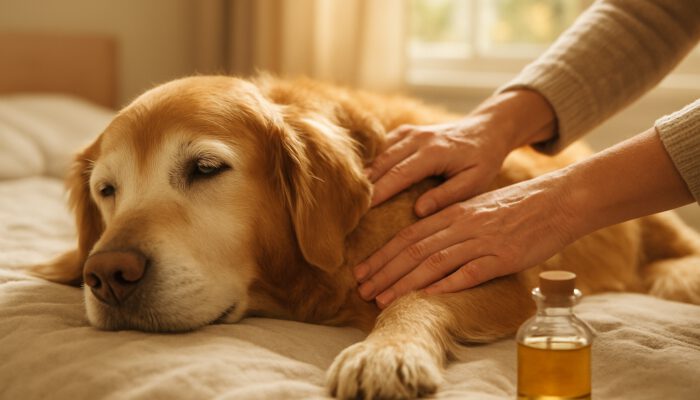
Massage techniques can serve as a valuable addition to arthritis management for ageing dogs. Gentle manipulations improve circulation and alleviate muscle tension around joints, fostering relaxation and better range of motion during daily activities. Regular massage sessions can greatly enhance a dog’s overall comfort.
Incorporating massage into a dog’s routine can also strengthen the bond between pet and owner. The tactile nature of massage provides both physical and emotional benefits, creating a soothing experience for the dog. This can be particularly beneficial for anxious or stressed pets.
Pet owners should consider learning basic massage techniques or consulting with a professional canine massage therapist. Properly applied massage can significantly contribute to a dog’s well-being, making it a powerful complementary treatment for arthritis.
What Are the Key Benefits of Alternative Therapies?
- Enhanced circulation and reduced muscle tension
- Increased relaxation and comfort
- Strengthened bond between pet and owner
- Potential reduction in pain levels
Alternative methods such as acupuncture have proven effective in alleviating chronic discomfort for numerous cases when performed by qualified practitioners. These therapies can provide additional support for dogs suffering from arthritis, complementing traditional treatment approaches.
Research supports the effectiveness of acupuncture in managing pain and improving mobility in ageing dogs. By exploring various alternative methods, pet owners can discover the best combination of treatments to enhance their dog’s quality of life.
How Can Heat Therapy Be Safely Applied?
Heat therapy is another effective method for managing arthritis symptoms in ageing dogs. Warm compresses applied periodically can soothe affected areas and encourage voluntary movement without the risk of overheating. This gentle heat can help relax muscles and alleviate stiffness.
When employing heat therapy, monitoring the dog’s comfort level is crucial. Ensuring that the heat is neither too intense nor prolonged is essential to prevent burns or discomfort. Always test the temperature before applying it to the dog’s skin.
Incorporating heat therapy into a dog’s routine can provide immediate relief and enhance overall mobility. When combined with other treatments such as massage and exercise, heat therapy can play a significant role in a comprehensive arthritis management plan.
What Daily Exercise Routines Are Best for Arthritic Dogs?
How Do You Create Low-Impact Activity Plans?
Designing a daily exercise routine for arthritic dogs should focus on low-impact activities that gradually build strength while avoiding high-stress movements. Short walks, swimming sessions, and gentle play can help maintain mobility without exacerbating existing conditions.
Engaging in low-impact exercises allows dogs to remain active and healthy while minimising the risk of injury or discomfort. Tailoring the intensity and duration of activities according to the dog’s abilities is essential for promoting a positive experience.
Incorporating variety into the exercise routine can make it enjoyable for the dog. Exploring different environments, such as parks or beaches, can provide mental stimulation and encourage engagement in physical activities.
How Should You Adapt to Changing Abilities?
As dogs age, their capabilities may change, necessitating adjustments to exercise routines. Modifying intensity based on observed responses ensures that activities remain enjoyable and beneficial without causing undue fatigue or strain. Regularly assessing the dog’s comfort levels is critical during this process.
Pet owners should be attentive to their dog’s behaviour during and after exercise sessions. Signs of discomfort or fatigue may indicate the need for adjustments to the routine. Striking a balance between activity and rest is key to maintaining a dog’s overall well-being.
Consulting with veterinarians or canine rehabilitation specialists can provide valuable insights into creating a customised exercise plan. Expert recommendations can help ensure that the selected activities effectively promote healing and prevent further joint damage.
What Environmental Adjustments Can Enhance Comfort?
Environmental modifications can significantly improve the quality of life for ageing dogs with arthritis. Supportive bedding and non-slip surfaces reduce slips and provide stable resting areas, contributing to overall joint preservation. These changes create a safer and more comfortable living space for ageing pets.
Providing ramps or steps can assist dogs in navigating furniture or vehicles without straining their joints. Keeping common areas free from obstacles facilitates easier movement throughout the home. These modifications empower dogs to maintain independence while decreasing the risk of injury.
Regularly evaluating the living environment and implementing necessary changes can greatly enhance a dog’s comfort and mobility. By creating a supportive home, pet owners can help their ageing dogs thrive despite the challenges posed by arthritis.
How Do You Monitor Exercise Responses?
Observing a dog’s behaviour and physical reactions during and after exercise sessions is essential for ensuring activities remain safe. Monitoring how the dog responds enables owners to adjust routines as necessary, preventing increased pain or inflammation in affected joints over time.
Keeping a log of exercise sessions can help track patterns and identify which activities are most beneficial. This information can guide future decisions regarding exercise intensity and duration, ensuring that the dog continues to enjoy physical activity without discomfort.
Regular communication with veterinarians can provide additional insights into monitoring exercise responses. Professional guidance can help pet owners make informed decisions about their dog’s activity levels, promoting a healthy and active lifestyle.
Why Is Consulting Veterinary Professionals Crucial?
Seeking advice from veterinarians or canine rehabilitation specialists is essential for developing effective exercise plans tailored to specific health needs. These professionals can offer expert recommendations that promote healing and effectively prevent further joint damage.
Veterinarians can assess the dog’s overall health and mobility, identifying any limitations or concerns that may affect exercise routines. Based on this evaluation, they can provide guidance on suitable activities and modifications to ensure the dog’s safety and comfort.
Incorporating veterinary recommendations into daily routines can lead to improved outcomes for ageing dogs. By prioritising professional input, pet owners can provide the best possible care and support for their pets as they navigate the challenges of arthritis.
Frequently Asked Questions About Arthritis in Dogs
What are the first signs of arthritis in dogs?
The initial indicators of arthritis in dogs often include hesitation when rising, reluctance to jump, and decreased interest in play. Pet owners should closely monitor their dogs for these subtle changes.
How can nutrition support dogs with arthritis?
A diet rich in <a href="https://limitsofstrategy.com/omega-3-and-fatty-acids-your-essential-nutrition-guide/">omega fatty acids</a> and antioxidants can help reduce inflammation and enhance joint health. Including these ingredients can lead to improved mobility and comfort.
Which supplements are beneficial for dogs with arthritis?
Helpful supplements for dogs with arthritis include glucosamine, chondroitin, omega-3 fatty acids, and turmeric. These can assist in alleviating pain and supporting joint function.
Is hydrotherapy beneficial for older dogs?
Yes, hydrotherapy is advantageous for ageing dogs as it offers low-impact exercise that minimises joint stress while building muscle strength and enhancing mobility.
How often should I exercise my arthritic dog?
Exercise frequency varies based on the dog’s capabilities, but short, low-impact sessions several times a week are generally recommended to maintain mobility without causing strain.
Can massage therapy help my dog with arthritis?
Yes, massage therapy can enhance circulation and alleviate muscle tension around joints, providing relief and improving overall comfort for dogs suffering from arthritis.
What environmental modifications can assist my arthritic dog?
Supportive bedding, non-slip surfaces, and ramps can create a safer living environment for arthritic dogs, reducing the risk of slips and providing comfortable resting areas.
How can I determine if my dog is in pain?
Signs of pain in dogs may include whining, reluctance to move, changes in appetite, or altered behaviour. Observing these changes is crucial for addressing potential discomfort.
Are there natural remedies for canine arthritis?
Natural remedies for canine arthritis include herbal options like turmeric and acupuncture. These methods can complement traditional treatments and provide additional relief.
When should I consult a veterinarian about my dog’s arthritis?
Consult a veterinarian if you notice signs of discomfort or changes in your dog’s behaviour. Early intervention can significantly improve the management of arthritis symptoms and overall health.
Connect with us on our Facebook page!
The Article Arthritis Relief for Aging Dogs: Home Remedies and Care First Published On https://elgatoencasa.com
The Article Arthritis Relief for Dogs: Effective Home Remedies and Care Was Found On https://limitsofstrategy.com
The Article Arthritis Relief for Dogs: Top Home Remedies and Care Tips found first on https://electroquench.com