Perfect Your Pasta Cooking Skills with Expert Techniques
Dive into the Wide Array of Pasta Varieties to Enhance Your Dishes
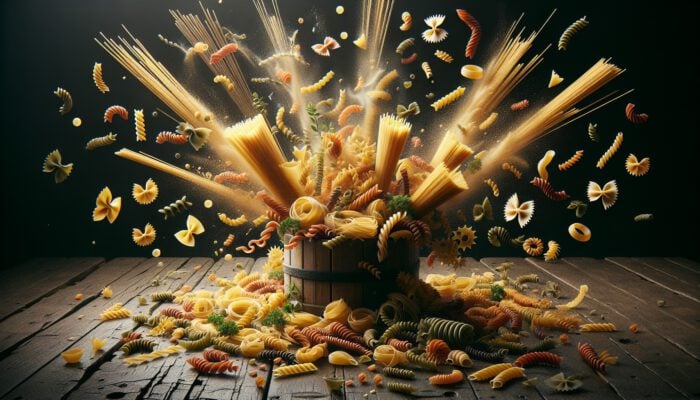
How to Boil Pasta Without Ruining It: The culinary world presents a breathtaking selection of pasta shapes and sizes, each offering distinct cooking times and textures that contribute to your meal’s overall success. To achieve that highly sought-after al dente texture that many culinary enthusiasts strive for, selecting the ideal pasta variety is crucial. Typically, durum wheat pasta is preferred due to its sturdy structure, which allows it to maintain its integrity during boiling. Below, you will find an extensive overview of popular pasta types and their optimal culinary applications:
- Spaghetti: This type is fantastic for light sauces and traditional dishes such as spaghetti carbonara, allowing for a lovely balance of flavours.
- Penne: Thanks to its hollow shape, this pasta works exceptionally well in baked dishes and pairs wonderfully with chunky sauces.
- Fusilli: Known for its spiral shape, fusilli excels at holding onto sauces, making it a favourite for salads and casseroles.
- Farfalle: The unique bow-tie shape makes farfalle perfect for light sauces or pasta salads, adding an appealing visual element to your meals.
- Linguine: This flat noodle complements seafood and creamy sauces beautifully, providing a delicate balance of flavours that enhance your dish.
By familiarising yourself with the unique properties of these pasta shapes, you can confidently select the most suitable variety for your culinary creations, elevating both flavour and texture for a memorable dining experience.
How to Select the Right Pot Size for Boiling Pasta Efficiently
Choosing the appropriate pot size is vital for boiling pasta perfectly. Opting for a larger pot allows the pasta to move freely, significantly reducing the risk of clumping and sticking, which can result in uneven cooking. It is advisable to select a pot spacious enough to accommodate the pasta’s expansion and to facilitate effective water circulation. Stainless steel pots are often preferred because they distribute heat evenly, ensuring a consistent boil. Furthermore, using a larger pot helps prevent water from boiling over, leading to a hassle-free cooking experience that is particularly advantageous in busy kitchens.
How to Prepare the Water for Boiling Pasta for Optimal Results
The journey to achieving perfect pasta commences with the water, making it crucial to start with cold water and bring it to a vigorous boil before adding the pasta. This initial step is essential for ensuring that all noodles cook evenly. Adding pasta to water that is not boiling can lead to uneven cooking and excessive starch buildup, creating a sticky mess. Boiling water activates starches and helps maintain the pasta’s integrity, preventing clumping or mushiness. Vigilantly monitor the pot to ensure that the boil remains vigorous, which is key to attaining that ideal pasta texture.
How to Time the Cooking Process for Consistently Perfect Pasta
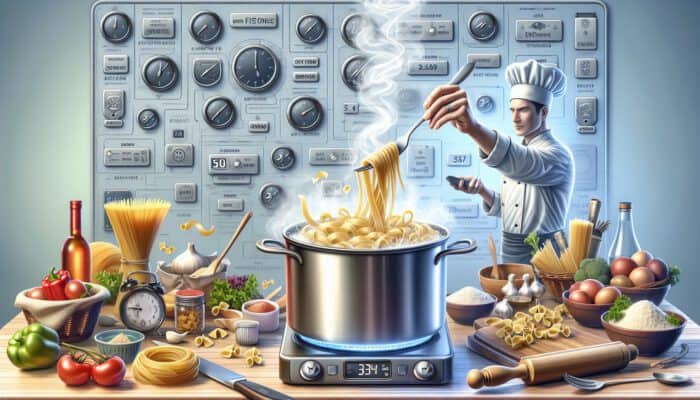
Timing plays a crucial role in the process of boiling pasta. As soon as you add your pasta to the boiling water, start your timer immediately when the water returns to a rolling boil. The cooking time will differ based on the shape and thickness of the pasta, so careful monitoring is essential. Strive for that ideal al dente texture by tasting a piece during the last minute of the recommended cooking time on the package. The pasta should exhibit a firm feel with a slight bite, ensuring that your dish remains pleasurable and does not turn out mushy or unappetising. Remember that factors such as pasta shape and altitude can affect cooking times, so be prepared to make adjustments for optimal results.
What Are the Fundamental Principles Behind Boiling Pasta?
Why Is It Important to Season the Boiling Water with Salt?
Salting the boiling water is a fundamental practice that greatly enhances the flavour of your pasta. By adding salt—approximately one tablespoon per litre—you infuse the pasta with seasoning from the inside out. Skipping this crucial step can lead to bland and unappetising results. Additionally, salt raises the boiling point of the water, helping maintain a steady boil. This balance is vital for proper cooking, as it not only effectively seasons the pasta but also improves its texture, making each bite more enjoyable.
What Is the Importance of Stirring During the Cooking Process?
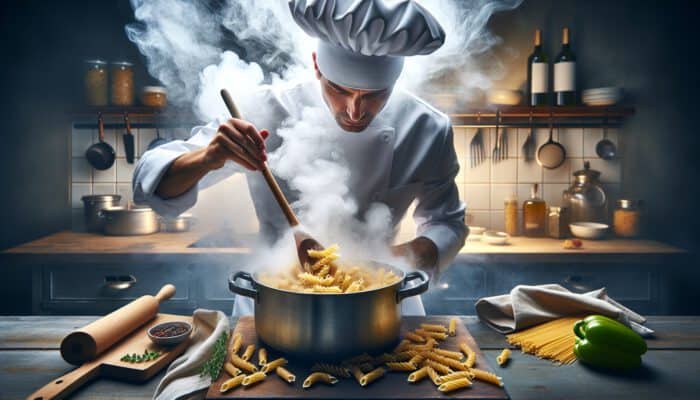
Stirring the pasta while it cooks is more than just a routine; it is a crucial technique that prevents the pasta from sticking to the pot or to itself, especially during the initial cooking minutes. This simple action helps distribute heat evenly and keeps the noodles from becoming sticky or clumping together. For optimal results, stir gently but consistently during the first two minutes after adding the pasta. This will ensure an even cooking process and consistent doneness throughout. Stirring is particularly important for shapes like fusilli and penne, which are prone to sticking.
How to Monitor the Boiling Process Effectively to Avoid Overflow
Carefully monitoring the boiling process is essential to prevent overflow and to ensure your pasta cooks properly. Bubbles and foam can accumulate rapidly, leading to messy spills over the pot. To manage this, watch the intensity of the boil and adjust the heat as necessary to maintain a steady simmer rather than a violent boil, which can waste energy and cause uneven cooking. By remaining vigilant with the pot, you can achieve the perfect consistency without burning or overcooking the pasta, resulting in a more enjoyable dining experience.
Why Is Adequate Water Crucial for Boiling Pasta Successfully?
Using a sufficient amount of water is vital for boiling pasta successfully. A general guideline is to use around 4 litres of water for every 500 grams of pasta. This ensures that the pasta has enough space to move freely while cooking, helping to prevent sticking and promoting even heat distribution. A crowded pot not only leads to uneven cooking but can also create gummy textures. Thus, providing ample water is essential for achieving that desired al dente texture, ensuring that your pasta dishes are consistently delicious and well-prepared.
How to Attain the Perfect Al Dente Texture in Your Pasta?
Achieving that ideal al dente texture relies significantly on precise timing and testing. Start by following the package instructions as a guideline, but keep in mind that these times may vary depending on your cooking conditions. To avoid overcooking the pasta, begin testing a piece about a minute before the suggested cooking time concludes. The perfect bite should be firm yet tender, free from any chalky centre. Aiming for that al dente texture not only enhances the mouthfeel of your meal but also retains additional nutrients in the pasta, making it a healthier choice for your dining experience.
Insider Tips for Boiling Pasta to Perfection Every Time
Essential Techniques for Ensuring Even Cooking Throughout
To achieve perfectly boiled pasta, several techniques can help guarantee even cooking each time. First and foremost, ensure that the pot is large enough to facilitate water circulation and uniform heat distribution. Additionally, keeping a close watch on the water temperature is crucial; maintain a consistent boil throughout the cooking process. For those cooking at higher altitudes, consider modifying cooking times, as pasta may take longer to reach the desired tenderness. By implementing these strategies, you will consistently produce pasta that meets your expectations, making your meals all the more enjoyable.
Avoiding Common Mistakes in Pasta Preparation
When boiling pasta, several common mistakes can lead to unsatisfactory results. A significant aspect to consider is temperature management; if the water cools too much after adding the pasta, it can cause the noodles to break down. Additionally, avoid excessive stirring, as this can damage delicate shapes, resulting in mushiness. Instead, stir just enough to prevent sticking while allowing each shape to maintain its integrity. By being mindful of these factors, you can sidestep potential issues and serve pasta that impresses with its delightful texture and flavour.
Advanced Techniques for Perfecting Pasta Texture
For those determined to master the art of pasta cooking, advanced techniques can ensure that your pasta retains its firmness. Begin by testing for doneness a couple of minutes before the recommended cooking time on the package is up. This proactive approach helps you achieve that ideal bite without compromising the overall dish. Additionally, consider using a timer to keep track of cooking times, especially when preparing multiple pots or dishes. These actionable steps will help maintain texture, ensuring your meals are always appetising and enjoyable for everyone at the table.
Strategies for Infusing Pasta with Flavour While Boiling
Perfecting the seasoning of your pasta during the boiling process requires a strategic approach. It is essential to adequately salt the water before adding the pasta; a guideline is about one tablespoon of salt per litre of water. This ensures that the pasta absorbs flavours as it cooks. To avoid an overly salty outcome, always taste your dish as you go. Furthermore, consider adding complementary herbs or spices to the boiling water to impart flavour into the pasta without overwhelming it. By applying these expert strategies, your pasta will emerge perfectly cooked and bursting with flavour.
What Are the Essential Steps for Successfully Boiling Pasta?
How to Test Pasta Accurately for Perfect Doneness?
To test pasta for doneness, take a bite of a piece to ensure it has that desired al dente texture—firm yet tender without any chalky centre. This method prevents overcooking and keeps your meal delightful. It is advisable to begin checking the pasta a minute or two before the suggested cooking time on the package ends. Here are some indicators to observe:
- Firm to the bite.
- No white centre visible.
- Texture feels smooth, not mushy.
- Pasta has expanded and softened slightly.
By closely monitoring these signs, you can guarantee a satisfying dining experience with every dish.
How to Effectively Incorporate Oil into the Boiling Water?
Incorporating a small amount of oil into the boiling water can help reduce sticking; however, it should be done sparingly. The objective is to facilitate a smoother boiling process without making the pasta greasy, which can hinder sauce adherence later on. A teaspoon of olive oil is typically sufficient, but remember that using too much can alter the dish’s texture. Instead of relying heavily on oil, focus on ensuring your water is at a rolling boil before adding the pasta, as this is the most effective method to prevent clumping.
How to Properly Drain and Rinse Pasta for Best Results?
Proper draining and rinsing techniques are essential for maintaining the quality of your pasta. Once cooked, drain the pasta promptly to halt the cooking process. However, for hot dishes, it is advisable to skip rinsing, as this removes valuable starches that help sauces cling to the pasta. For cold pasta dishes or salads, a quick rinse with cold water can cool the pasta and stop any residual cooking. This method preserves the flavour and enhances the overall texture of your dish, ensuring a delightful experience for your guests.
How to Efficiently Bring Water to a Boil?
To bring water to a boil efficiently, start with cold water in a large pot set over high heat. Covering the pot will expedite boiling, and stirring occasionally helps prevent the pasta from sticking. Once the water reaches a vigorous boil, adjust the heat to maintain a steady simmer, which is critical for cooking pasta and other foods evenly. This approach ensures that your pasta cooks thoroughly without compromising its texture or flavour, making it a reliable technique for any home chef.
How to Properly Salt the Water Before Cooking Pasta?
Salting the boiling water before adding the pasta is a critical step in enhancing flavour. Aim for about one tablespoon of salt per litre of water to achieve optimal taste. This not only elevates the flavour of the pasta but also effectively seasons the final dish. By salting the water, you create a flavour base for the noodles, allowing them to absorb the seasoning evenly. Avoid excessive salt, as it can overpower the dish; a balanced approach ensures your pasta is delicious without being overwhelming.
Proven Techniques for Boiling Pasta Perfectly Every Time
How to Optimise Cooking Times for Different Pasta Varieties?
Optimising cooking times for various types of pasta is essential for achieving perfect results. For instance, fresh pasta requires a shorter cooking time than dried pasta, often only needing a few minutes until tender. Conversely, thicker varieties like rigatoni or pappardelle may necessitate longer cooking times compared to delicate shapes like angel hair. By understanding these distinctions and adjusting your cooking times accordingly, you can ensure that each type of pasta reaches its optimal texture, enhancing the overall dining experience.
How to Effectively Manage Heat Levels While Boiling Pasta?
Accurately managing heat levels is vital for ensuring consistent results when boiling pasta. Start with high heat to bring the water to a rapid boil, then lower the heat to maintain a steady simmer once the pasta is added. This approach prevents the water from boiling over while ensuring that the pasta cooks evenly. Monitoring the temperature closely helps avoid wasting energy while achieving perfectly cooked pasta every time. This control over heat is an essential skill that can enhance your efficiency in the kitchen.
How to Integrate Fresh Herbs for Enhanced Flavour?
To elevate the flavour profile of your pasta, consider incorporating fresh herbs late in the boiling process. Adding chopped herbs such as basil, parsley, or thyme just a minute before draining can enhance the aroma and taste without overwhelming the dish. This technique ensures that the herbs impart their flavours while still retaining their vibrant colour and freshness. By utilising this strategy, you can create pasta dishes that are not only visually appealing but also bursting with delicious flavours.
Why Is Water Quality Important When Cooking Pasta?
How Does Hard Water Affect the Cooking of Pasta?
Hard water can significantly impact the texture of your pasta by altering the release of starches during cooking. The minerals present in hard water can inhibit the pasta from cooking evenly, leading to undesirable results. To combat this issue, consider softening hard water through a filtration system or opting for bottled water when boiling pasta. This simple change can lead to smoother, more evenly cooked pasta, ultimately enhancing the overall quality of your dishes.
What Influence Does Mineral Content Have on Cooking Pasta?
The mineral content in water can influence both cooking speed and the final texture of your pasta. High mineral levels may slow down the cooking process, resulting in inconsistent outcomes. Being aware of your water’s composition allows you to adjust cooking times accordingly, ensuring your pasta cooks through evenly. Regularly monitoring the quality of your water and making necessary adjustments can enhance your culinary results, providing a consistent foundation for your pasta dishes.
How to Use Filtered Water for Optimal Cooking Results?
Using filtered water can significantly improve the quality of your boiling process by reducing impurities that may contribute off-flavours. This simple choice leads to a clearer taste and a more enjoyable cooking experience. Filtering your water also prevents residue buildup in your pots, which can adversely affect the appearance and flavour of your dishes. The benefits of using filtered water for everyday cooking extend beyond just boiling pasta, enhancing the overall quality and satisfaction of your culinary creations.
- Improved flavour clarity.
- Less residue buildup on pots.
- Consistent cooking results.
- Reduced off-flavours in the final dish.
Essential Tips for Achieving Perfect Pasta Every Time
How to Safely Store Leftover Pasta for Future Use?
Storing leftover pasta safely is crucial for maintaining its quality. Rapidly cool the pasta after cooking and transfer it to an airtight container before refrigerating. This method helps prevent spoilage and ensures that the pasta remains fresh for reheating later. Avoid leaving pasta at room temperature for extended periods, as this can promote bacterial growth. By adhering to proper storage guidelines, you can enjoy your leftovers without compromising their flavour or texture.
How to Effectively Pair Sauces with Different Pasta Shapes for Maximum Enjoyment?
Matching sauces to pasta shapes is essential for achieving even coating and optimal flavour distribution. For instance, smooth sauces like marinara pair beautifully with long shapes such as spaghetti, while chunky sauces work best with shapes like penne or rigatoni that can capture the bits. This thoughtful pairing enhances the overall meal experience, ensuring that each bite is full of flavour and satisfaction. Understanding these combinations can elevate your pasta dishes and impress your guests.
How to Customise Pasta to Meet Specific Dietary Needs?
Customising pasta to accommodate dietary requirements, such as gluten-free options, is increasingly popular in today’s diverse culinary landscape. Gluten-free pasta made from rice, corn, or legumes can deliver enjoyable meals for those with gluten sensitivities. It is vital to understand the cooking requirements for these alternatives, as they often necessitate different boiling times or techniques. By embracing these adjustments, you can ensure that your pasta dishes cater to all dietary preferences, making mealtimes inclusive and enjoyable for everyone.
Frequently Asked Questions About Cooking Pasta
What Are the Best Practices to Prevent Pasta from Sticking Together?
To prevent pasta from sticking, gently stir it during the first few minutes of cooking and ensure you use plenty of water. Avoid overcrowding the pot, as this can lead to sticking.
How Do I Determine When Pasta Is Fully Cooked?
Pasta is considered cooked when it reaches an al dente texture, meaning it is tender yet firm to the bite. Taste a piece a minute before the package’s cooking time concludes to check.
Should I Rinse Pasta After Cooking It?
For hot dishes, it is best not to rinse pasta, as rinsing removes the starch that helps sauces cling. Rinse only if you intend to use the pasta for a cold dish or salad.
How Much Salt Is Recommended for Boiling Water?
A general guideline is to add about one tablespoon of salt per litre of water. This enhances the flavour of the pasta and helps season it properly while cooking.
Can I Use Olive Oil in the Water to Reduce Sticking?
Yes, a small amount of olive oil can help reduce sticking, but use it sparingly. Too much oil can make the pasta greasy and affect how well the sauce adheres.
What Types of Pasta Pair Best with Different Sauces?
Long pasta, like spaghetti, complements light sauces, while short, tubular pasta, such as penne, is better suited for chunky sauces. Understanding these pairings can significantly enhance your dish.
Is There a Difference in Cooking Time for Fresh and Dried Pasta?
Yes, fresh pasta typically cooks much faster than dried pasta, often requiring only a few minutes. Always check the package instructions for specific cooking times.
Can I Save Leftover Pasta for Later Use?
Absolutely! Store leftover pasta in an airtight container in the refrigerator. To maintain its quality, cool it quickly after cooking and consume it within a few days.
What Can I Do If My Pasta Is Overcooked?
If your pasta is overcooked, there is no real fix; however, you can try mixing it with a sauce to enhance its flavour. In the future, monitor cooking times closely to prevent this issue.
How Does the Quality of Water Affect Pasta Cooking?
Water quality impacts pasta by influencing its texture and flavour. Hard water can alter the cooking process, while filtered water helps achieve better results with cleaner flavours.
Join the fun on Facebook!
The post How to Boil Pasta Without Ruining It: A Beginner’s Guide appeared first on https://cookinggods.com
The Article Boiling Pasta Perfectly: A Beginner’s Guide Was Found On https://limitsofstrategy.com