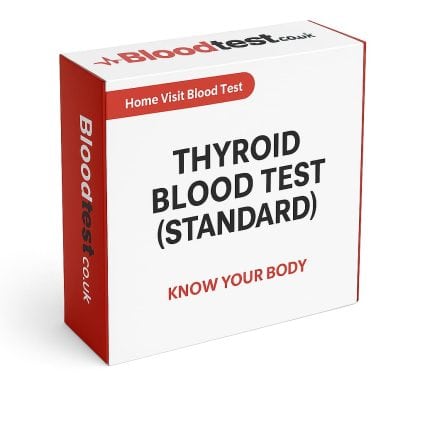
Comprehensive Guide to Understanding Thyroid Blood Tests
What Does a Thyroid Blood Test Entail?
Private Thyroid Blood Test in Taunton: A thyroid blood test is a vital diagnostic procedure designed to measure the levels of thyroid hormones circulating in the bloodstream, which is crucial for assessing thyroid health. The thyroid gland, located in the neck, plays an essential role in producing hormones that regulate various bodily functions, including metabolism, heart rate, and overall energy levels. Gaining a thorough understanding of its function is critical for maintaining optimal health.

By assessing these hormone levels, healthcare professionals can identify conditions such as hypothyroidism, which denotes inadequate thyroid function, and hyperthyroidism, characterised by excessive thyroid function. Both of these conditions can significantly impact an individual’s overall health and well-being.
Typically, thyroid blood tests focus on measuring thyroid-stimulating hormone (TSH), free thyroxine (T4), and triiodothyronine (T3). TSH, released by the pituitary gland, stimulates the thyroid to produce T4 and T3. An imbalance in these hormones can result in a range of health complications. For example, elevated TSH levels typically indicate hypothyroidism, while lowered TSH levels may signal hyperthyroidism. Accurately interpreting these results is vital for effective diagnosis and management planning.
How Frequently Should You Have Thyroid Blood Tests?
The frequency of thyroid blood tests largely depends on an individual’s health status and specific risk factors. For those with existing thyroid disorders, it is generally advisable to have annual testing to monitor hormone levels and ensure effective management of their condition. Conversely, individuals who exhibit symptoms of thyroid dysfunction may require more frequent evaluations to enable timely interventions and modifications to their treatment plans.
Patients who have recently received a diagnosis or are currently undergoing treatment may need more regular assessments to evaluate treatment effectiveness and make necessary adjustments to medication. It is essential for patients to engage in discussions with their healthcare provider to consider their unique health context and develop a tailored testing schedule that adequately meets their requirements.
Why Is Regular Testing for Thyroid Health Essential?
Regular thyroid blood tests play a pivotal role in ongoing health management, particularly for individuals with known thyroid conditions. Continuously monitoring thyroid hormone levels enables healthcare providers to determine when treatment adjustments are necessary to optimise patient care. The significance of routine testing cannot be overstated, as fluctuations in thyroid hormone levels can lead to serious health complications if not promptly addressed.
Additionally, regular testing acts as a preventive measure, allowing for the early identification of potential thyroid disorders. Symptoms associated with thyroid dysfunction, including fatigue, weight fluctuations, and mood changes, can often be subtle and go unnoticed. By conducting regular blood tests, healthcare professionals can uncover underlying issues before they escalate into more serious health problems, thereby enhancing the overall quality of life and well-being for patients.
Essential Preparation Tips for Your Thyroid Blood Test
Proper preparation for a thyroid blood test is crucial for ensuring accurate and reliable results. Patients should carefully adhere to their healthcare provider’s instructions and prepare well in advance. In general, preparation includes refraining from biotin supplements, as these can interfere with test outcomes. Additionally, it is important to inform the doctor of all medications and supplements being taken, as certain substances may need to be paused prior to testing.
Fasting might be required before the test, although this is not universally necessary. Adhering to the specific recommendations provided by the healthcare team is vital. Being well-prepared can significantly enhance the dependability of results, leading to more effective management of thyroid health.
Key preparation steps include:
- Avoid biotin supplements for at least 24 hours prior to testing.
- Consult your doctor about any medications you are currently taking.
- Follow any fasting instructions given by your healthcare provider.
- Stay hydrated, but confirm whether drinking water is allowed before the test.
- Inform your doctor of any recent changes in health or symptoms.
What Is the Best Way to Interpret Your Thyroid Blood Test Results?
Understanding the results of a thyroid blood test can be intricate, as it involves analysing various hormone levels, including TSH, T4, and T3. Normal TSH levels typically range from 0.4 to 4.0 mIU/L. Should TSH levels fall outside of this range, it may indicate a potential thyroid disorder. Elevated TSH levels usually suggest hypothyroidism, while low TSH levels may indicate hyperthyroidism. Free T4 and T3 levels complement TSH results, offering a more comprehensive view of thyroid function. Increased T4 and T3 levels may be associated with hyperthyroidism, while decreased levels can signify hypothyroidism. Accurate interpretation of these results necessitates consultation with a knowledgeable healthcare provider, who can contextualise the findings within the patient’s overall health, symptoms, and medical history.
Real-Life Experiences: Insights on Thyroid Blood Testing in Taunton
Success Stories: Effective Thyroid Management
Real-life narratives from residents of Taunton highlight the significant advantages of regular thyroid blood tests in effectively managing thyroid conditions. For example, Sarah, a 35-year-old teacher, experienced unexplained fatigue and weight gain. Upon consulting her general practitioner, she underwent a thyroid blood test, which revealed elevated TSH levels, leading to a diagnosis of hypothyroidism. With appropriate treatment and ongoing monitoring, Sarah successfully managed her condition, preventing severe complications and restoring her energy and vitality.
Similarly, Mark, a 50-year-old engineer, reported symptoms of anxiety and a rapid heartbeat. Following a thyroid blood test that indicated low TSH levels and elevated T3, he received a diagnosis of hyperthyroidism. Thanks to prompt intervention and adjustments to his medication, Mark stabilised his hormone levels and alleviated his symptoms. These accounts underscore the critical role of thyroid blood tests in effectively managing thyroid disorders within the Taunton community.
Practical Steps to Prepare for Your Thyroid Blood Test
Proper preparation for a thyroid blood test is essential for achieving accurate results. Here are several practical steps that residents of Taunton should consider when preparing for their tests:
- Discuss with your healthcare provider any medications or supplements you are currently taking, as these can influence test outcomes.
- Avoid biotin supplements for at least 24 hours before the test.
- Follow fasting instructions provided; typically, an 8- to 12-hour fast may be recommended.
- Stay hydrated, but check with your doctor if drinking water is permitted prior to the test.
- Notify your healthcare provider about any recent illnesses or health changes.
- Schedule the test at a time that allows for adequate rest beforehand.
- Arrange for transportation if you expect to feel unwell post-test due to fasting or anxiety.
- Prepare a list of symptoms or concerns to discuss with your doctor after receiving your results.
By adhering to these steps, Taunton residents can help ensure their thyroid blood tests yield reliable results, ultimately improving healthcare outcomes.
Expert Advice on Understanding Thyroid Test Results
Interpreting thyroid blood test results requires a nuanced understanding of hormone levels and their implications for health. Experts in Taunton emphasise the importance of evaluating TSH, T4, and T3 levels together. For instance, elevated TSH combined with low free T4 suggests hypothyroidism, prompting healthcare providers to initiate hormone replacement therapy.
Conversely, low TSH levels alongside high T4 or T3 may indicate hyperthyroidism, necessitating a different treatment approach. Understanding these results involves not just reviewing the numbers but also considering the patient’s overall health, lifestyle, and symptoms. This comprehensive approach ensures treatment plans are tailored and effective.
Furthermore, healthcare professionals recommend regular follow-up appointments to thoroughly discuss test results and make necessary adjustments to treatment. This ongoing dialogue is vital for maintaining optimal thyroid health and proactively addressing any emerging concerns.
Why Is Ongoing Thyroid Monitoring Crucial?
Regular monitoring of thyroid health is vital for identifying changes that may significantly impact treatment effectiveness. In Taunton, healthcare providers stress that routine blood tests facilitate early detection of hormone fluctuations, allowing timely interventions and adaptations to treatment plans.
For instance, patients stabilised on medication may not require frequent testing. However, the emergence of new symptoms or health changes should prompt an immediate review of thyroid function. Lifestyle modifications, such as weight changes or medication adjustments, can also impact thyroid functionality and necessitate closer monitoring. By maintaining open communication with healthcare providers and adhering to recommended testing schedules, Taunton residents can effectively manage their thyroid conditions and reduce the risk of complications.
Local Resources and Specialists for Thyroid Care
Taunton boasts a variety of specialists dedicated to thyroid care, ensuring residents have access to comprehensive support and treatment options. Notable facilities include the Taunton and Somerset NHS Foundation Trust, where endocrinologists specialise in diagnosing and managing thyroid disorders. Additionally, numerous private clinics in the area offer tailored services, providing patients with choices in their healthcare journey.
Beyond medical facilities, support groups and local charities focused on thyroid health play an essential role within the community. These organisations frequently host educational events that provide insights into conditions, management strategies, and the latest research findings. Through these local resources, Taunton residents can find not only medical assistance but also community support, fostering a holistic approach to thyroid health management.
Where to Obtain Thyroid Blood Tests in Taunton
Healthcare Clinics and Facilities in Taunton
Residents of Taunton seeking thyroid blood tests can access several reputable clinics and hospitals. The Taunton and Somerset NHS Foundation Trust serves as a primary provider, offering a range of diagnostic services, including thyroid testing. Patients can obtain referrals from their general practitioners (GPs) to access these services, ensuring that their tests are eligible for NHS coverage.
In addition to NHS facilities, numerous private clinics in Taunton also offer thyroid blood tests. These private options may appeal to individuals seeking reduced wait times or additional services not available through the NHS. Facilities such as local health centres or private laboratories provide flexibility and convenience, catering to patients’ diverse needs.
What Are the Costs for Thyroid Blood Tests?
The costs for thyroid blood tests in Taunton can vary significantly depending on whether you choose NHS services or private healthcare providers. For NHS patients, thyroid blood tests are generally provided free of charge, provided that a referral from their GP is obtained. This accessibility ensures that all residents can secure the essential testing necessary to maintain their thyroid health.
Conversely, private thyroid blood tests can range from approximately £50 to £150, depending on the clinic and specific tests required. While opting for private testing may offer quicker access and additional conveniences, individuals need to balance the costs against the benefits. For those without urgent health concerns, NHS services may prove to be the more cost-effective option.
How to Arrange an Appointment for Your Thyroid Blood Test?
Scheduling an appointment for a thyroid blood test in Taunton can be a straightforward process. Typically, patients begin by consulting their GP, who can provide a referral for testing at the local hospital or clinic. This ensures that the NHS covers the tests and that necessary follow-up care is readily available.
For individuals opting for private testing, appointments can usually be arranged directly at the clinic or through the clinic’s website. Many private facilities offer online booking systems, allowing patients to select a convenient time for their test. Regardless of the pathway chosen, it is essential to have a proper referral or prescription from a qualified healthcare provider to ensure comprehensive care.
Types of Thyroid Blood Tests Available
Understanding the Significance of the TSH Test
The TSH test is fundamental for diagnosing thyroid disorders, as it measures the level of thyroid-stimulating hormone (TSH) in the blood. This test is the most commonly administered initial assessment for evaluating thyroid function. Elevated TSH levels may indicate insufficient thyroid hormone production, leading to hypothyroidism, while suppressed levels suggest an overactive thyroid (hyperthyroidism).
Healthcare professionals advocate for the TSH test as a routine component of annual health checks, especially for individuals with risk factors for thyroid disease. By employing this straightforward blood test, practitioners can quickly identify potential issues and initiate necessary interventions. The reliability and ease of administration of the TSH test render it a fundamental aspect of thyroid health monitoring.
Why Are Free T4 and T3 Tests Essential?
Free T4 and T3 tests are critical components in the comprehensive evaluation of thyroid function. Free T4 measures the level of thyroxine available for the body to utilise, while Free T3 indicates the level of triiodothyronine, which is the more active form of thyroid hormone. These tests are essential for confirming diagnoses based on TSH results, as they provide deeper insights into thyroid activity.
For example, a patient with elevated TSH levels and low free T4 may receive a diagnosis of hypothyroidism, while low TSH combined with high free T4 and T3 might indicate hyperthyroidism. Regular monitoring of these hormone levels is crucial for assessing treatment effectiveness and adjusting medications as necessary, thereby ensuring optimal thyroid health for residents in Taunton.
What Additional Tests May Be Required for a Thorough Evaluation?
In certain cases, additional tests may be necessary to further assess thyroid health and diagnose specific conditions. Thyroid antibody tests can identify whether the body is producing antibodies that attack the thyroid gland, which is characteristic of autoimmune thyroid diseases such as Hashimoto’s thyroiditis or Graves’ disease. These tests are vital for understanding the underlying causes of thyroid dysfunction.
Moreover, a thyroid ultrasound may be performed to examine the structure of the thyroid gland, especially if nodules or abnormalities are suspected. This imaging provides essential information that complements blood test results. By utilising these additional diagnostic tools, healthcare providers in Taunton can develop a more thorough understanding of a patient’s thyroid health and tailor treatment strategies accordingly.
Identifying Symptoms and Conditions Related to Thyroid Health
Recognising Common Symptoms of Thyroid Disorders
Identifying the common symptoms of thyroid disorders is crucial for timely diagnosis and intervention. Symptoms such as fatigue, weight fluctuations, and mood swings are frequently associated with thyroid dysfunction. Individuals may experience unexplained weight gain or loss, irritability, anxiety, or depression, all of which can significantly affect their quality of life.
In addition to these psychological manifestations, physical signs may include hair loss, dry skin, and increased sensitivity to temperature changes. Early identification of these symptoms is vital, as it encourages individuals to seek testing and potential treatment. Residents of Taunton should remain vigilant for these indications and consult healthcare professionals if they suspect thyroid-related issues.
How Does Hypothyroidism Typically Manifest?
Hypothyroidism presents a variety of symptoms that can often be misattributed to other health issues. Common indicators include cold intolerance, dry skin, and hair loss. Additional symptoms may involve cognitive changes, such as difficulty concentrating or memory issues.
Recognising these symptoms early is essential, as untreated hypothyroidism can lead to more severe complications, including cardiovascular issues and mental health disorders. For residents of Taunton experiencing these signs, a thyroid blood test can confirm a diagnosis and initiate an appropriate treatment plan, ultimately enhancing overall well-being.
What Symptoms Are Associated with Hyperthyroidism?
Hyperthyroidism showcases a distinct set of symptoms that can considerably disrupt an individual’s daily life. Common signs include heat intolerance, excessive sweating, discomfort in warm environments, a rapid heartbeat, and unintended weight loss. These symptoms often develop gradually, making them easy to overlook initially.
Prompt detection of hyperthyroidism through regular blood tests is essential, as untreated cases can lead to significant complications, including heart problems and osteoporosis. Taunton residents should remain vigilant for these signs and consult their healthcare providers promptly if they suspect an overactive thyroid.
Effective Strategies for Thyroid Blood Testing in Taunton
How to Select the Right Healthcare Provider?
Choosing the appropriate healthcare provider for thyroid blood tests is crucial for receiving quality care. In Taunton, patients should consider several key factors when making their decision:
- Reputation: Look for providers with positive reviews and testimonials from previous patients.
- Accessibility: Assess the clinic’s location and appointment availability.
- Costs: Ensure the provider’s services align with your budget, whether you opt for NHS or private care.
- Specialisation: Choose a provider who has expertise in endocrine or thyroid disorders for optimal management.
- Communication: Find a provider who listens to your concerns and clearly explains the testing process.
- Support Services: Evaluate if the provider offers follow-up care and additional resources to support thyroid health management.
- Patient Education: Select providers who prioritise educating patients about thyroid health.
- Insurance Compatibility: Confirm that your chosen provider accepts your health insurance.
By thoroughly evaluating these factors, Taunton residents can select a healthcare provider who meets their specific needs and effectively manages their thyroid health.
What Are the Optimal Follow-Up Care Practices?
Follow-up care after a thyroid blood test is vital for maintaining optimal thyroid health. Best practices include regularly monitoring hormone levels, enabling healthcare providers to modify medications as needed. This continuous oversight ensures that treatment remains effective and addresses any emerging symptoms or concerns promptly.
Additionally, patients should engage in open discussions with their provider regarding any lifestyle changes. Dietary modifications and stress management can significantly influence health and should be integrated into a comprehensive care plan. Regular follow-up appointments foster a collaborative approach to thyroid health management, leading to improved long-term outcomes for patients in Taunton.
Strategies for Effectively Managing Thyroid Conditions
Effective management of thyroid conditions in Taunton necessitates a multifaceted approach that includes adherence to medication, dietary adjustments, and lifestyle changes. Patients should take prescribed medications as directed by their healthcare provider to maintain stable hormone levels.
Implementing dietary changes can enhance thyroid health; incorporating foods rich in iodine, selenium, and zinc supports hormone production. Regular physical activity not only aids in weight management but also alleviates stress, positively impacting thyroid function. It is equally important for individuals to engage in stress-reducing practices, such as mindfulness or yoga, to support their overall health.
By following these strategies, Taunton residents can improve their quality of life and effectively manage their thyroid conditions, thereby minimising the risk of complications.
Where to Find Support Groups in Taunton?
Locating support groups in Taunton can provide valuable emotional and practical assistance for individuals managing thyroid conditions. Local community centres frequently host regular meetings for those affected by thyroid disorders, creating a platform for sharing experiences and advice.
In addition to in-person support, online forums and social media groups facilitate broader connections with others facing similar challenges. These platforms can be especially beneficial for those seeking information and encouragement. By participating in support groups, Taunton residents can access a wealth of resources and foster a sense of community among individuals dealing with comparable health concerns.
The Impact of Diet and Lifestyle on Thyroid Health
How Does Diet Influence Thyroid Function?
Diet plays a crucial role in maintaining healthy thyroid function. Nutrients such as iodine, selenium, and zinc are essential for the synthesis of thyroid hormones. Foods rich in iodine, including fish, dairy products, and iodised salt, support the production of these hormones. Conversely, selenium-rich foods like Brazil nuts and seeds aid in hormone regulation.
However, certain foods can hinder thyroid function. Cruciferous vegetables, such as cabbage and broccoli, contain goitrogens that can impede iodine uptake, particularly when consumed in large quantities. Residents of Taunton should strive for a balanced diet that incorporates a variety of nutrient-rich foods to support their thyroid health while being mindful of potential dietary inhibitors.
Making informed dietary choices can substantially influence the management of thyroid conditions, leading to improved health outcomes and a better quality of life.
What Lifestyle Changes Can Promote Thyroid Health?
Implementing positive lifestyle changes can enhance thyroid health among Taunton residents. Engaging in regular physical activity is crucial, as it supports weight management and improves overall well-being. Exercise helps reduce stress, which is vital for maintaining hormonal balance.
Additionally, ensuring sufficient sleep is essential for thyroid function, as inadequate sleep can adversely affect hormone production and regulation. Stress-reduction techniques, such as mindfulness, meditation, and engaging in enjoyable activities, also play a significant role. These practices not only alleviate stress but contribute to a more balanced lifestyle, positively influencing thyroid health.
By adopting these lifestyle changes, individuals in Taunton can better manage their thyroid conditions and enhance their overall health and quality of life.
Why Should Certain Foods Be Limited?
Some foods, known as goitrogens, can disrupt thyroid function and should be consumed in moderation by residents of Taunton. Goitrogens are substances that can interfere with the synthesis of thyroid hormones, potentially leading to complications for individuals with thyroid conditions. Common goitrogenic foods include cruciferous vegetables such as cauliflower, kale, and Brussels sprouts.
While these foods can be nutritious, proper preparation is essential. Cooking can significantly reduce their goitrogenic effects, making them safer for consumption. However, individuals with known thyroid conditions should limit their intake while maintaining a balanced diet rich in iodine and other nutrients that support thyroid health.
Being conscious of dietary choices can help Taunton residents optimise their thyroid function and minimise the likelihood of complications associated with thyroid disorders.
How to Effectively Understand Thyroid Blood Test Results
What Do Normal TSH Levels Indicate?
Normal TSH levels typically range from 0.4 to 4.0 mIU/L, indicating healthy thyroid function. Within this range, the pituitary gland effectively regulates thyroid hormone production, enabling proper metabolism and overall bodily function. However, it is crucial to consider individual variations and any presenting symptoms when interpreting these findings.
Patients with TSH levels within this range may still experience symptoms of thyroid dysfunction due to other underlying issues. Therefore, healthcare providers in Taunton must evaluate TSH levels alongside free T4 and T3 results while considering the patient’s clinical presentation to provide a comprehensive understanding of thyroid health.
How to Interpret Abnormal Test Results?
Abnormal results from a thyroid blood test may suggest a thyroid disorder and require careful evaluation and follow-up. Elevated TSH levels typically indicate hypothyroidism, where the thyroid is underactive and fails to produce sufficient hormones. Conversely, low TSH levels may indicate hyperthyroidism, characterised by an overactive thyroid producing excessive hormones.
Understanding these results necessitates close consultation with a healthcare provider who can contextualise the findings with the patient’s symptoms, medical history, and lifestyle factors. Residents of Taunton should not hesitate to seek clarification and guidance regarding abnormal test results to ensure timely interventions and optimise their thyroid health.
What Actions to Take Following Your Results?
After receiving thyroid blood test results, it is crucial to engage in a thorough discussion with a healthcare provider. This conversation should encompass an assessment of the results, potential next steps, and treatment options. Depending on the findings, further testing may be necessary to evaluate thyroid function or diagnose specific conditions.
If the results indicate a thyroid disorder, the healthcare provider may recommend various treatment options, including medication, lifestyle modifications, or referral to a specialist. Residents in Taunton are encouraged to ask questions and express any concerns during these discussions to ensure they have a clear understanding of their thyroid health and the necessary management steps.
Community Resources and Support Systems in Taunton
Local Support Networks for Thyroid Conditions
Taunton offers a variety of local support groups for individuals managing thyroid conditions, providing valuable networking opportunities for residents. These groups regularly hold meetings where individuals can share their experiences, seek advice, and receive emotional support from peers facing similar challenges.
Engaging in these groups allows individuals to learn from one another and gain insights into effective management strategies. Many support groups also feature guest speakers, including healthcare professionals, who can offer expert advice on thyroid health. Participating in local support networks is an excellent way for Taunton residents to foster a sense of community and empowerment in their health journeys.
Educational Workshops and Informative Seminars
Educational workshops and seminars focusing on thyroid health are frequently organised in Taunton, providing residents with opportunities to deepen their understanding of managing thyroid conditions. These events often cover topics such as the importance of thyroid testing, dietary considerations, and the latest research on thyroid health.
Attending these workshops can significantly benefit individuals by enhancing their knowledge of thyroid disorders and equipping them with practical self-management strategies. Many of these events are offered at little to no cost, making them accessible to a wide audience. Community educational initiatives are vital resources for raising awareness and promoting proactive management of thyroid health.
How to Access Online Resources for Thyroid Health?
Accessing online resources for thyroid health is easier than ever, providing Taunton residents with a wealth of information and support at their fingertips. Numerous reputable websites offer reliable guidance on thyroid disorders, management strategies, and the latest research developments.
In addition to informative articles, many online platforms host forums where individuals can ask questions and connect with others facing similar challenges. Recommended online resources include:
- The British Thyroid Foundation (www.btf-thyroid.org)
- Thyroid UK (www.thyroiduk.org)
- The American Thyroid Association (www.thyroid.org)
- Healthline Thyroid Health (www.healthline.com/health/thyroid)
- Thyroid Disease and Hyperthyroidism (NHS website)
By utilising these online resources, Taunton residents can enhance their understanding of thyroid health and access support, ensuring they remain informed and empowered in their health journey.
Frequently Asked Questions About Thyroid Blood Tests
What Does a Thyroid Blood Test Involve?
A thyroid blood test measures thyroid hormone levels to diagnose conditions such as hypothyroidism and hyperthyroidism.
How Often Should I Undergo a Thyroid Blood Test?
Typically, annual testing is recommended for individuals with thyroid issues, but those exhibiting symptoms may require more frequent assessments.
What Preparations Are Required for a Thyroid Blood Test?
Preparation includes avoiding biotin supplements and certain medications, as well as following any fasting instructions from your healthcare provider.
What Do Normal TSH Levels Indicate?
Normal TSH levels, generally between 0.4 and 4.0 mIU/L, indicate proper thyroid function, though individual variations should be considered.
What Signs Are Indicative of Hypothyroidism?
Common symptoms of hypothyroidism include fatigue, weight gain, cold intolerance, and dry skin.
How Can I Interpret Abnormal Thyroid Test Results?
Abnormal results may indicate hypothyroidism or hyperthyroidism; consultation with a healthcare provider is essential for accurate interpretation.
Where Can I Obtain a Thyroid Blood Test in Taunton?
Thyroid blood tests can be conducted at the Taunton and Somerset NHS Foundation Trust or through various private clinics in the area.
What Is the Cost of Thyroid Blood Tests in Taunton?
NHS thyroid blood tests are typically free, while private tests can range from £50 to £150, depending on the facility.
How Do I Schedule an Appointment for a Thyroid Blood Test?
Appointments can be arranged through your GP, at local clinics, or online at private facilities.
Where Can I Find Support Groups for Thyroid Conditions in Taunton?
Local community centres, healthcare facilities, and online platforms often host support groups for individuals managing thyroid conditions in Taunton.

Connect with us on Facebook!
This Article Was First Found On https://bloodtest.co.uk
The Article Thyroid Blood Test: Your Essential Guide in Taunton Was Found On https://limitsofstrategy.com