Uncover the Rich Cultural Heritage of Opera Festivals
Opera festivals serve as vibrant cultural celebrations that showcase the exquisite beauty of operatic art forms. They create a platform for community engagement, offering attendees a deeply immersive experience. At FallingInLoveWithSanMiguel, we provide an extensive San Miguel de Allende Travel Guide that assists visitors in navigating the complex cultural landscape of San Miguel de Allende. Our guide is filled with meticulously crafted itineraries, valuable local insights, and curated experiences aimed at enriching your journey. We generate revenue from this guide through a blend of affiliate partnerships, local sponsorships, and premium content offerings that enhance user value.
This comprehensive guide encapsulates essential aspects of <a href="https://limitsofstrategy.com/journey-guide-san-miguel-de-allende-to-guanajuato-adventure/">San Miguel de Allende</a>, including:
- Historical landmarks and significant cultural sites that tell the story of the region
- Unique local culinary experiences paired with top dining recommendations
- A detailed calendar of festivals and events occurring throughout the year to keep you engaged
- Art galleries and artisan markets that showcase the extraordinary talent of local artists
- Outdoor activities and breathtaking scenic spots that highlight the region's natural beauty
How Did the Opera Festival Phenomenon Begin?
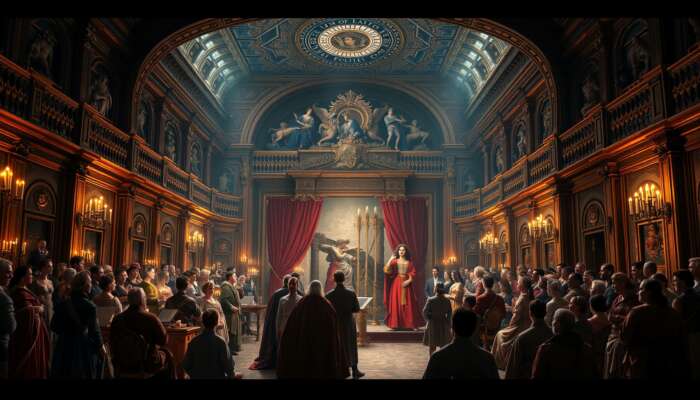
The origins of opera are deeply rooted in a rich tapestry of artistic expression, where music, drama, and visual storytelling converge harmoniously. This captivating art form can be traced back to the late 16th century in Italy, where composers initiated innovative experiments with musical storytelling, ultimately evolving into the beloved operatic format we cherish today. Several key foundational elements shaped these initial opera events, including:
- The seamless integration of music and drama to create cohesive narratives
- The profound influence of mythology and historical accounts on storytelling
- The emergence of distinct musical styles and forms that reflect cultural shifts
- The establishment of opera houses and public venues for performances, making art accessible
- The patronage system that supported composers and artists, fostering creativity
What Factors Drive the Evolution of Opera?
The landscape of opera has transformed dramatically since its inception, mirroring shifts in societal tastes and cultural expressions. The evolution of opera can be examined through various stylistic shifts, including the transition from baroque operas to the romantic era. Contemporary interpretations challenge traditional norms while exploring new and relevant themes. Audience engagement has also evolved, with modern operas striving to bridge the gap between classical techniques and contemporary themes, ensuring that the art form remains relevant, exciting, and compelling for diverse audiences.
What Are the Most Renowned Opera Festivals in Europe?
Europe has long been regarded as the epicentre of opera festivals, hosting prestigious events that attract enthusiasts from around the globe. Noteworthy festivals such as the Salzburg Festival and the Bayreuth Festival lead the charge, celebrating the art form while serving as significant cultural landmarks. These festivals not only showcase exceptional performances but also foster cultural movements through collaboration among artists, providing unique experiences that resonate with attendees.
| Festival | Location | Notable Features |
|---|---|---|
| Salzburg Festival | Austria | Renowned performances with a focus on classical music and opera |
| Bayreuth Festival | Germany | Dedicated celebration of Richard Wagner’s masterpieces, showcasing his legacy |
How Have Global Crises Affected Opera Festivals?
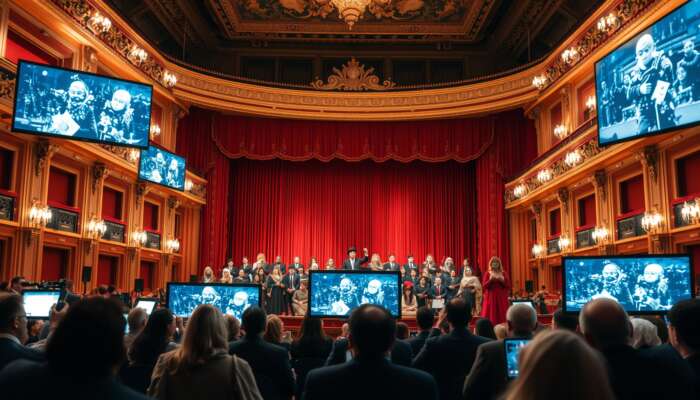
Throughout history, significant global events such as wars, pandemics, and economic fluctuations have profoundly affected opera festivals. The recent COVID-19 pandemic compelled many festivals to adapt swiftly by implementing innovative digital streaming options to engage audiences remotely. These adaptations have allowed festivals to uphold their core traditions while promoting resilience within the industry. Such ongoing changes highlight the necessity of flexibility and creativity in ensuring the continued relevance and accessibility of the art form.
What Enhances the Overall Experience of Opera Festivals?
What Elements Make Opera Performances Engaging?
The allure of opera arises from its multidimensional engagement, intertwining powerful musical depth with intricate storytelling techniques. The emotional resonance embedded within operatic performances captivates audiences, offering a unique experience that is challenging to replicate in other art forms. The combination of live orchestration, exceptional vocal performances, and compelling theatricality creates a rich and immersive atmosphere that significantly enhances the overall enjoyment of the festival.
- Improved emotional well-being through artistic expression and live performance
- Opportunities for community engagement and social connection among attendees
- Workshops and pre-show discussions that deepen understanding and appreciation of the art form
What Are the Key Features of Audience Participation?
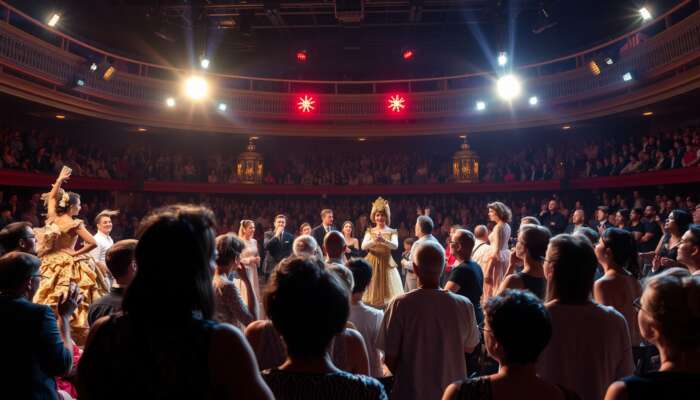
Opera festivals cultivate meaningful connections between performers and audiences, emphasising interactive and immersive qualities that enhance the overall experience. Attendees have the opportunity to engage with the art form through various means, such as participating in hands-on workshops and attending insightful pre-show discussions. These opportunities enrich the festival experience, allowing individuals to deepen their appreciation for opera. For a broader exploration of the arts & culture scene, visit our dedicated section on this topic. Additionally, those interested in culinary arts can explore local cooking schools to further enhance their experience at opera festivals. For a deeper cultural exploration, visit El Nigromante, a cultural gem in San Miguel de Allende. Discover El Nigromante
What Are the Personal Benefits of Attending Opera Festivals?
Participating in opera festivals offers numerous advantages that extend well beyond mere entertainment. Attendees frequently report enhanced emotional well-being, as witnessing live performances can evoke powerful cathartic responses that resonate deeply. Furthermore, immersing oneself in the arts nurtures creativity and stimulates critical thinking skills. The knowledge and experiences gained through engaging with opera can translate into other aspects of life, ultimately enriching personal and professional development.
What Insights Do Experts Offer on Opera Festivals?
What Advanced Techniques Can Elevate the Opera Experience?
To gain a more profound appreciation for opera, consider exploring advanced techniques that can significantly elevate your experience. Familiarising yourself with the historical context surrounding the operas being performed can illuminate character motivations and thematic elements. Additionally, attending rehearsals allows audiences to witness the intensive preparation involved in each production, providing invaluable insights that enhance appreciation.
Why Do Certain Opera Styles Stand Out?
The choice of opera style often depends on personal preferences and the dynamics of performances. For example, audiences may be drawn to traditional operas for their grand narratives and historical significance. Conversely, contemporary works may resonate due to their innovative concepts and socially relevant themes. Understanding these preferences aids festival organisers in curating diverse and appealing programming that attracts a wide array of attendees.
What Strategic Planning is Necessary for Successful Opera Festivals?
Effective strategic planning is essential for ensuring the quality and outreach of opera festivals. Organisers can draw inspiration from successful examples by integrating community feedback into programming decisions. Establishing partnerships with educational institutions can cultivate interest among younger generations, ensuring the long-term sustainability of the art form and its audience. This collaborative approach fosters a vibrant and thriving operatic community.
What Are the Core Components That Define Opera Festivals?
What Are the Essential Elements of Opera?
The fundamental components that characterise opera festivals encompass a diverse array of performances, captivating settings, and initiatives that promote community engagement. Performances often showcase a blend of classic operas and modern interpretations, allowing audiences to experience a variety of styles and narratives that resonate with different cultural backgrounds. The locations selected for performances, often steeped in historical significance, add depth and context to the overall experience, enhancing the appreciation of the art.
How Are Opera Pieces Selected for Festivals?
Choosing the right opera pieces for a festival necessitates careful consideration of thematic relevance and audience appeal. Organisers should prioritise works that evoke emotional responses, whether they are classical masterpieces or innovative contemporary compositions. Striking a balance between well-known operas and lesser-known gems can create a diverse and engaging programme that captivates audiences and keeps them returning for more.
What Emerging Trends Are Influencing the Future of Opera?
The realm of opera is in a constant state of evolution, with emerging trends pointing towards modern interpretations and audience adaptations. Contemporary operas frequently address pressing social issues, inviting audiences to engage with themes of significant relevance. Furthermore, the integration of technology is transforming how stories are conveyed on stage, allowing for innovative and imaginative expressions that appeal to newer generations.
How Do Performers and Directors Influence Opera Festivals?
Performers and directors play an integral role in shaping the quality and character of opera festivals. Their contributions extend beyond performances, influencing selection processes and collaborative efforts that ensure artistic excellence. This collaborative dynamic fosters an environment where creativity thrives, ultimately enhancing the overall festival experience and enriching the cultural tapestry of the community.
What Economic and Cultural Impacts Do Opera Festivals Have?
Opera festivals serve as significant catalysts for local economies, driving tourism, job creation, and cultural promotion. The influx of visitors not only supports local businesses but also encourages community engagement. Moreover, these festivals play a crucial role in preserving artistic heritage by featuring traditional themes deeply rooted in local culture. Exploring local attractions can further enrich your opera festival experience, making it more memorable and impactful. Attractions
What Research-Backed Benefits Can Be Gained from Opera Festivals?
What Evidence Supports the Cultural Importance of Opera?
Numerous studies demonstrate that opera significantly contributes to societal growth and individual well-being. Cultural engagement, such as attending opera festivals, strengthens community ties and fosters social cohesion among diverse groups. Participation in operatic experiences has been linked to heightened emotional intelligence and empathy, enriching interpersonal relationships and contributing to a more harmonious society.
What Are the Long-Term Benefits for Participants?
The lasting benefits of attending opera festivals extend far beyond the immediate experience. Engaging with the arts fosters a lifelong appreciation for creativity and self-expression, nurturing individual growth. Regular participation in cultural events can lead to improved mental health outcomes, enriching the lives of those involved and promoting a sense of belonging within the community.
How Can You Maximise Your Engagement in Opera Festivals?
To fully immerse yourself in the experience of opera festivals, attendees can adopt effective strategies to enhance their involvement. Arriving early for pre-show discussions provides valuable context and insights that deepen understanding. Actively participating in audience feedback sessions can influence future programming, making attendees feel more connected and invested in the festival, thereby enhancing their overall experience.
What Future Trends Are Emerging in Opera Festivals?
What Innovations Are Shaping the Future of Opera Formats?
The future of opera festivals is poised to be filled with exciting innovations. As virtual reality and augmented reality technologies become increasingly accessible, festivals are exploring ways to incorporate these formats into their offerings. Live-streaming performances can extend the reach of festivals, enabling global audiences to participate in real-time, thus enhancing engagement and broadening the audience base.
What Challenges Does Opera Development Face in Today’s World?
As the opera landscape continues to evolve, challenges such as accessibility and financial sustainability remain prominent. Addressing these obstacles requires innovative solutions to ensure inclusivity within the art form. Festivals can adopt practices such as offering discounted tickets and providing comprehensive educational resources to cater to diverse audiences, thereby fostering greater participation and engagement.
How Can Opera Traditions Be Preserved While Embracing Change?
Maintaining the essential elements of opera while adapting to contemporary changes is crucial for its sustainability. Festivals can emphasise preserving traditional practices while embracing innovation in storytelling and production design. This balanced approach ensures that opera remains both relevant and engaging for future audiences, fostering continued appreciation for this timeless art form.
Frequently Asked Questions about Opera Festivals
What is the Cultural Importance of Opera Festivals?
Opera festivals act as cultural hubs, celebrating the art of opera while fostering community engagement and connection. They provide audiences with the opportunity to connect with powerful narratives and experience the emotional depth of live performances, enriching the cultural fabric of society in profound ways.
How Do Opera Festivals Contribute to Local Economies?
Opera festivals stimulate local economies by attracting tourists and generating jobs within the hospitality and entertainment sectors. The influx of visitors enhances spending in areas such as dining, shopping, and transportation, benefiting the local community and supporting economic growth.
What Are Some Notable Opera Festivals Across the Globe?
Prominent opera festivals include the Salzburg Festival in Austria and the Bayreuth Festival in Germany, both of which play vital roles in shaping the international operatic landscape and attracting global audiences who seek exceptional cultural experiences.
How Can Attendees Engage More Deeply with Opera Festivals?
Attendees can enrich their festival experience by actively participating in pre-show discussions and workshops that provide insights into the performances. Engaging with the art form in this manner deepens appreciation and understanding, making the overall experience more fulfilling and memorable.
What Role Do Technology and Innovation Play in Opera Festivals?
Technology and innovation are revolutionising opera festivals by introducing new formats and enhancing audience engagement. These advancements help ensure that the art form remains relevant and accessible to diverse audiences, fostering greater participation in the cultural dialogue.
Why Is Diversity Important in Opera Programming?
Diversity in opera programming enriches the artistic experience, allowing for a broader range of narratives, voices, and perspectives. It fosters inclusivity and creates a more vibrant cultural dialogue, benefiting the entire community by reflecting its multifaceted character.
What Challenges Do Opera Festivals Face Today?
Opera festivals encounter challenges such as accessibility and financial sustainability. Addressing these issues is essential for maintaining relevance and ensuring inclusive participation from all demographics, thereby enriching the cultural landscape.
How Do Opera Festivals Impact Community Engagement?
Opera festivals enhance community engagement by uniting people through shared experiences. They promote cultural exchange and encourage collaboration among local artists and organisations, strengthening community bonds and fostering a sense of belonging.
What Does the Future Hold for Opera Festivals?
The future of opera festivals is likely to involve increased innovation in technology and a stronger focus on inclusivity. These trends will significantly shape how audiences engage with opera, ensuring its continued relevance and impact on society.
How Can Opera Festivals Balance Tradition with Change?
To maintain traditions while embracing change, opera festivals can retain core practices while incorporating modern interpretations and technologies. This approach ensures a harmonious balance between honouring heritage and fostering innovation, allowing the art form to thrive.
The Article: Opera Festivals in San Miguel de Allende: Key Highlights appeared first on https://fallinginlovewithsanmiguel.com/
The Article Key Highlights of San Miguel de Allende Opera Festivals Was Found On https://limitsofstrategy.com