Comprehensive Guide to Understanding Pregnancy Blood Tests
What Are the Different Types of Blood Tests Available During Pregnancy?
Private Pregnancy Blood Test in Birmingham: During the course of pregnancy, blood tests play a pivotal role as essential diagnostic instruments provided at various clinics throughout Birmingham. The most frequently conducted tests include qualitative hCG tests, which are designed specifically to detect pregnancy hormones, and quantitative hCG tests, which offer precise measurements of these hormone levels. Additionally, tests for anaemia, blood type, and various infections—such as syphilis and HIV—are routinely performed to ensure thorough health monitoring for expectant mothers and their babies.
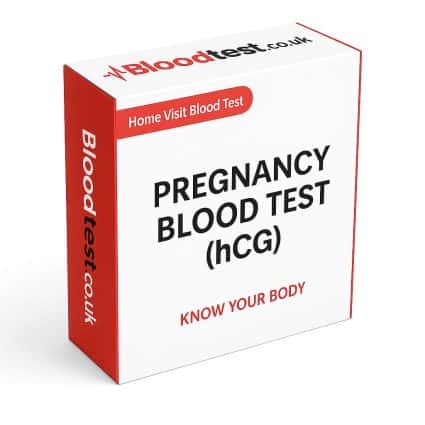

These tests are well-known for their remarkable accuracy, often exceeding 99%, thus ensuring that expectant mothers receive reliable information concerning both their health and the well-being of their unborn child.
Essential Steps to Follow for Your Pregnancy Blood Test
The process of undergoing a pregnancy blood test in the UK is crafted to be both straightforward and patient-centric, prioritising safety and comfort throughout. Expecting mothers can look forward to a series of clearly defined steps designed to facilitate a seamless and efficient experience. The essential procedures include:
- Scheduling an appointment at a nearby clinic or hospital, ensuring that the chosen time aligns with your personal schedule.
- Arriving at the facility, where a qualified healthcare professional will assist you through the entire process, providing guidance and reassurance.
- Having a blood sample collected, typically drawn from a vein in the arm using sterile techniques, thus prioritising safety.
- Receiving clear information regarding the anticipated timeframe for results, which helps provide peace of mind and clarity about the next steps.
These outlined steps underscore the rigorous testing protocols implemented in Birmingham, which strictly adhere to NHS guidelines. Comprehensive safety measures are consistently enforced to safeguard the health of both mother and child throughout the entire testing process.
How Can You Effectively Understand Your Pregnancy Blood Test Results?
At Birmingham facilities, the interpretation of pregnancy blood test results necessitates a meticulous evaluation of hormone levels in relation to established normal ranges. For example, the typical hCG level range during early pregnancy generally falls between 5-426 mIU/mL. Healthcare professionals invest the necessary time to deliver detailed explanations of what these results signify for the pregnancy, ensuring that mothers fully comprehend their unique situations, potential implications, and the appropriate next steps to take.
What Is the Process for Conducting a Pregnancy Blood Test?
Understanding the Mechanism Behind Pregnancy Blood Testing
Pregnancy blood tests function by detecting human chorionic gonadotropin (hCG), a hormone that is produced shortly after conception occurs. Once a fertilised egg successfully implants in the uterus, hCG begins to circulate in the bloodstream, becoming detectable in blood samples. Healthcare practices throughout the UK leverage this biological mechanism to provide accurate results, highlighting the importance of timely testing for expectant mothers seeking peace of mind.
Key Steps Involved in the Blood Testing Procedure
The standard procedure for a pregnancy blood test in Birmingham is designed to be efficient and stress-free. Initially, a healthcare professional will explain the testing process clearly to alleviate any anxieties the patient may have. Following this explanation, a small amount of blood is drawn, typically from a vein in the arm, using sterile equipment to ensure safety and minimise discomfort. The collected sample is then sent to a laboratory for in-depth analysis. This laboratory phase is crucial, as it is here that hormone levels are determined, providing clarity for expectant mothers eagerly awaiting their results.
Understanding Potential Outcomes and Necessary Follow-Up Procedures
After undergoing the test, patients can anticipate a range of outcomes based on their results. A positive result signifies pregnancy and typically prompts further testing to monitor health and hormone levels. Conversely, a negative result may necessitate additional testing or follow-up evaluations by a healthcare provider to clarify any uncertainties. Clinics in Birmingham generally offer a structured follow-up plan, ensuring that patients receive tailored care based on their individual situations, which promotes optimal health outcomes for both mothers and babies.
Factors That May Affect the Accuracy of Pregnancy Blood Tests
Several factors can significantly influence the reliability of pregnancy blood tests conducted in UK clinics. Timing is critical; testing too early may produce false negatives due to insufficient hCG levels. Specific health conditions, such as ectopic pregnancies or particular hormonal disorders, can also impact results. Additionally, variations in laboratory standards and procedures may affect accuracy. Therefore, patients are strongly encouraged to adhere to the guidelines provided by healthcare professionals to optimise their testing experience and obtain reliable results.
Insights from Experts on Pregnancy Blood Tests in Birmingham
Steps for Efficiently Booking Your Pregnancy Blood Test
When planning for a pregnancy blood test in Birmingham, patients should be mindful of the range of services available. Many clinics provide convenient online booking systems that simplify the process of securing an appointment that fits personal schedules. For instance, contacting local NHS facilities or private clinics often results in immediate appointments. Proactively checking availability and ensuring that all necessary documentation is prepared can streamline the booking process and significantly reduce waiting times, ultimately enhancing the overall experience.
The Benefits of Pregnancy Blood Tests from the Perspective of Healthcare Experts
Healthcare professionals emphasise the critical role that pregnancy blood tests play in comprehensive prenatal care. These tests offer early insights into both the viability of the pregnancy and the health of the mother, assisting in the identification of potential complications. For example, conditions such as gestational diabetes can be effectively monitored, allowing for timely medical intervention. Real-world examples from Birmingham specialists illustrate that early detection through blood tests frequently leads to improved health outcomes for both mothers and babies, establishing a solid foundation for a healthy pregnancy journey.
Identifying Risks Associated with Pregnancy Blood Tests and Strategies for Mitigation
While pregnancy blood tests are generally regarded as safe, certain risks exist, such as discomfort at the needle site or, in rare cases, infection. Specialists in Birmingham advise patients on how to mitigate these risks by ensuring that tests are conducted in sterile environments and by selecting experienced professionals for blood draws. Open communication with healthcare providers regarding any concerns is vital for maintaining a safe and reassuring testing experience.
Evidence-Based Benefits of Pregnancy Blood Tests
How Blood Tests Enable Early Pregnancy Detection
Research indicates that early identification of pregnancy through blood tests significantly enhances maternal health outcomes. In the UK, early detection facilitates timely medical intervention, effectively reducing the risk of complications. For example, women who are identified early can access essential prenatal vitamins and nutritional guidance, fostering a healthier pregnancy environment. This proactive approach not only promotes better health for both the mother and the developing baby but also enriches the overall pregnancy experience.
The Long-Term Health Advantages Linked with Pregnancy Blood Tests
Pregnancy blood tests serve as not only diagnostic tools but also play a vital role in tracking ongoing health conditions throughout gestation. Their ability to monitor fluctuations in hormone levels can signal potential issues, such as gestational diabetes or ectopic pregnancies, which require careful management. Studies conducted within the UK advocate for the practice of regular blood testing to ensure thorough prenatal care, significantly contributing to long-term health benefits for mothers and their children.
Comparing Pregnancy Blood Tests with Alternative Detection Methods
In contrast to alternatives such as urine tests, pregnancy blood tests offer superior reliability and accuracy. While urine tests can often yield false negatives, particularly in the early stages of pregnancy, blood tests can detect pregnancy hormones much earlier. This distinction is crucial for expectant mothers in Birmingham who seek timely and accurate information regarding their health status. Local research underscores the importance of blood tests in making informed decisions during early pregnancy, reinforcing their value in prenatal care.
Enhancing Patient Satisfaction and Psychological Well-Being Through Blood Testing
Pregnancy blood tests can significantly enhance patient satisfaction by providing early and accurate information. Studies conducted in the UK reveal that receiving timely results helps to alleviate stress, allowing expectant mothers to feel more in control of their health journey. This psychological reassurance is invaluable, fostering a positive mindset throughout pregnancy, which ultimately leads to improved health outcomes for both mother and baby.
What Financial Aspects Should You Consider for Pregnancy Blood Testing?
What Factors Impact the Pricing of Blood Tests in Birmingham?
The costs associated with pregnancy blood tests in Birmingham can vary significantly based on several factors, including the type of service provided (NHS versus private) and the specific clinic's location. NHS tests are typically funded through the healthcare system, while private clinics may impose varying fees based on the services rendered. Patients are encouraged to explore their options and understand what is covered under their health insurance plans, enabling them to make informed financial decisions regarding their healthcare.
What Hidden Charges Should You Be Aware Of?
When budgeting for pregnancy blood tests, patients should remain vigilant regarding potential hidden fees. Additional charges may encompass consultation fees, costs for follow-up tests, and fees for supplementary services, such as ultrasound scans. To assist in effective budgeting, here are some typical charges to be mindful of:
- Initial consultation fee.
- Blood draw fee at private clinics.
- Fees for additional tests.
- Costs for follow-up appointments.
By being aware of these potential costs, patients can better prepare for their testing experience and avoid unexpected expenses, ensuring a smoother process.
How Can You Reduce Expenses for Blood Tests?
There are several effective strategies to mitigate the costs associated with pregnancy blood tests in the UK. Patients may consider opting for NHS services where available, as these are typically funded through national healthcare provisions. Furthermore, certain private clinics offer payment plans or discounts on bundled services, assisting families in managing expenses more effectively. Exploring these options can significantly alleviate financial pressure during this crucial period in their lives, allowing for better focus on health and well-being.
How to Prepare for Your Pregnancy Blood Test
What Key Preparations Should You Undertake Before Your Blood Test?
Preparing for a pregnancy blood test involves several straightforward yet vital steps to ensure accurate results. Patients should be aware of any dietary restrictions; for instance, fasting may be necessary for specific tests. Additionally, scheduling the test during a time when you are calm and free from stress can greatly enhance the overall experience. Ensuring that all necessary paperwork is organised and readily available can facilitate a smooth appointment process in Birmingham, contributing significantly to a more positive testing experience.
What Post-Test Care Guidelines Should You Follow for Optimal Recovery?
After undergoing a pregnancy blood test, patients can typically resume their normal activities. However, it is advisable to rest briefly to allow the body to recover from the blood draw. Healthcare providers in Birmingham might recommend monitoring the site for any unusual symptoms, such as excessive swelling or redness. Patients should feel empowered to reach out if any concerns arise, as adhering to these guidelines ensures optimal health outcomes in the post-test phase.
When Should You Seek Additional Advice After Your Test?
If any concerns arise following a pregnancy blood test, patients must seek further advice without hesitation. Signs that warrant consultation include significant pain at the blood draw site, unusual bleeding, or any severe symptoms that may indicate potential complications. Healthcare professionals in Birmingham are well-equipped to manage such inquiries, providing reassurance and support during this crucial time in the patient’s pregnancy journey.
Popular Questions Related to Pregnancy Blood Tests
What Is the Purpose of a Pregnancy Blood Test?
A pregnancy blood test evaluates the presence of human chorionic gonadotropin (hCG) in a woman's blood, which indicates pregnancy. It delivers more accurate results compared to urine tests, particularly in the early stages of pregnancy.
How Reliable Are Pregnancy Blood Tests?
Pregnancy blood tests are over 99% accurate when conducted correctly and at the appropriate time, making them a trustworthy method for confirming pregnancy.
When Is the Best Time to Take a Pregnancy Blood Test?
It is advisable to take a pregnancy blood test at least a week after a missed period for the most accurate results, although some tests can detect pregnancy earlier.
Are There Any Risks Associated with a Pregnancy Blood Test?
The risks are minimal, but they can include slight discomfort at the needle site or, in rare instances, infection. Always ensure that the test is performed in a sterile environment to minimise these risks.
How Long Will It Take to Receive Results from a Blood Test?
Results from a pregnancy blood test typically take between 1 and 3 days, depending on the facility and the specific test conducted, providing timely information for expectant mothers.
What Should I Do If My Test Result Is Positive?
If your test result is positive, it is crucial to schedule an appointment with your healthcare provider to discuss prenatal care and the subsequent steps tailored to your health and pregnancy needs.
Can I Conduct a Blood Test at Home?
At-home pregnancy blood tests are not common. Most blood tests require professional administration and laboratory analysis to ensure accurate results and reliable outcomes for patients.
Is Fasting Required Before a Pregnancy Blood Test?
Fasting may be necessary for specific blood tests; however, the majority of pregnancy blood tests do not require fasting. Always confirm with your healthcare provider beforehand to ensure you are adequately prepared.
What If My Test Result Is Negative Yet I Still Suspect I Am Pregnant?
If you suspect that you are pregnant despite a negative test result, consult your healthcare provider. They may recommend a follow-up test or further evaluation to clarify your health status.
Where Can I Obtain a Pregnancy Blood Test in Birmingham?
Pregnancy blood tests are available at various locations, including NHS clinics, private hospitals, and specialised women’s health centres throughout Birmingham. Always opt for a reputable facility for testing to ensure the highest quality of care and accurate results.
Connect with Us on Facebook for More Information!
This Article Was First Found On https://bloodtest.co.uk
The Article Pregnancy Blood Test: Your Essential Guide in Birmingham found first on https://electroquench.com