Last Updated on January 26, 2026 by David
Cleaning Indoor Flagstone Floors: Homeowners with indoor flagstone floors often encounter a frustrating challenge. After a comprehensive cleaning process, the floor appears revitalised and vibrant for a brief period. However, it does not take long before a bothersome, dusty, or dull film begins to form on the surface, leading to annoyance. This recurring issue is not a unique experience; it highlights the natural characteristics of indoor flagstone floors. It is essential to recognise that this phenomenon does not imply negligence on the homeowner's part, nor does it suggest the stone is deteriorating. Instead, it underscores the inherent tendencies of a textured, porous floor subjected to daily use and diverse environmental conditions.
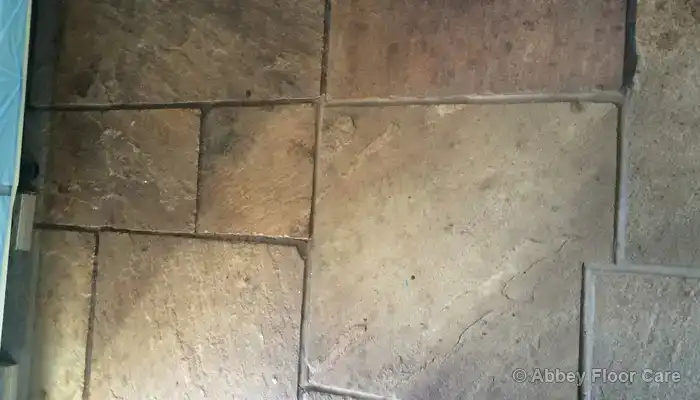
Explore the Causes of Your Flagstone Floor's Dusty Appearance After Cleaning
Most indoor flagstone floors feature a riven or uneven surface. These subtle dips, pits, and ridges significantly contribute to the stone’s unique character, but they also create numerous hiding spots for fine household dirt to accumulate. During the mopping process, any loose surface dirt is easily removed. However, finer particles often remain trapped within the stone's texture. As the floor dries, this residual dirt tends to rise back to the surface, resulting in an unsightly light haze or dusty film. This ongoing struggle with dirt is a common experience for many flagstone owners, highlighting the necessity of understanding the floor's behaviour and specific maintenance requirements to ensure long-lasting cleanliness and aesthetic appeal.
Why Do Traditional Mopping Techniques Fail to Deliver Long-lasting Cleanliness?
Cleaning methods tend to work well on smooth floors because dirt has limited places to hide. However, flagstone behaves differently due to its textured surface, which allows for more complex interactions with dirt. The cleaning process often redistributes contamination rather than completely removing it. Furthermore, using excessive water can exacerbate this issue. Moisture can push fine soil deeper into the stone and grout lines, only to pull it back to the surface during evaporation. While the floor may appear cleaner for a short moment, the underlying issues remain unresolved, and the cycle of dirt re-emergence continues, leading homeowners to feel frustrated with their cleaning efforts.
How Do Aging Sealers Affect the Maintenance of Flagstone Floors?
Many indoor flagstone floors have been sealed previously, often with products that are not adequately designed to withstand moisture movement through the stone. As these sealers age, they lose their effectiveness. Instead of preventing dirt from entering the stone, they can trap fine particles just below the surface, where standard cleaning methods cannot penetrate. Consequently, this leads to floors that appear uneven or perpetually dirty. Although cleaning may yield temporary improvements, the dirt is likely to resurface as the floor dries. This occurrence does not indicate that the stone has deteriorated; rather, it highlights that the surface layers are no longer performing optimally, necessitating a reassessment of cleaning and sealing strategies.
Why Do Additional Cleaning Efforts Often Result in Unsatisfactory Outcomes?
It is common for individuals to believe that the solution lies in scrubbing harder or increasing the frequency of cleaning. In reality, the root of the issue lies in the intricate interactions between textured stone, fine dirt, moisture movement, and old residues embedded within the surface. More aggressive cleaning typically does not alter this relationship. In some cases, it may actually accelerate wear by stressing softer surface layers or driving contamination deeper into the stone, resulting in further maintenance difficulties and an ongoing cycle of ineffective cleaning.
Why Does Your Flagstone Continue to Look Dirty Despite Your Diligent Cleaning Efforts?
By this point, fine household dust has likely settled into the stone's natural texture. Old sealers may be losing their effectiveness, and moisture movement throughout the floor can greatly impact how the surface dries. While mopping can eliminate loose dirt, it proves insufficient against particles trapped within the stone. This repetitive cleaning cycle can feel frustrating and unproductive. You may invest significant effort into maintaining the floor, only to witness it regain a grimy appearance soon after. However, this does not signify a cleaning failure; rather, it illustrates the limitations of routine care in achieving lasting change, emphasising the need for specialised cleaning methods to address the unique challenges posed by flagstone.
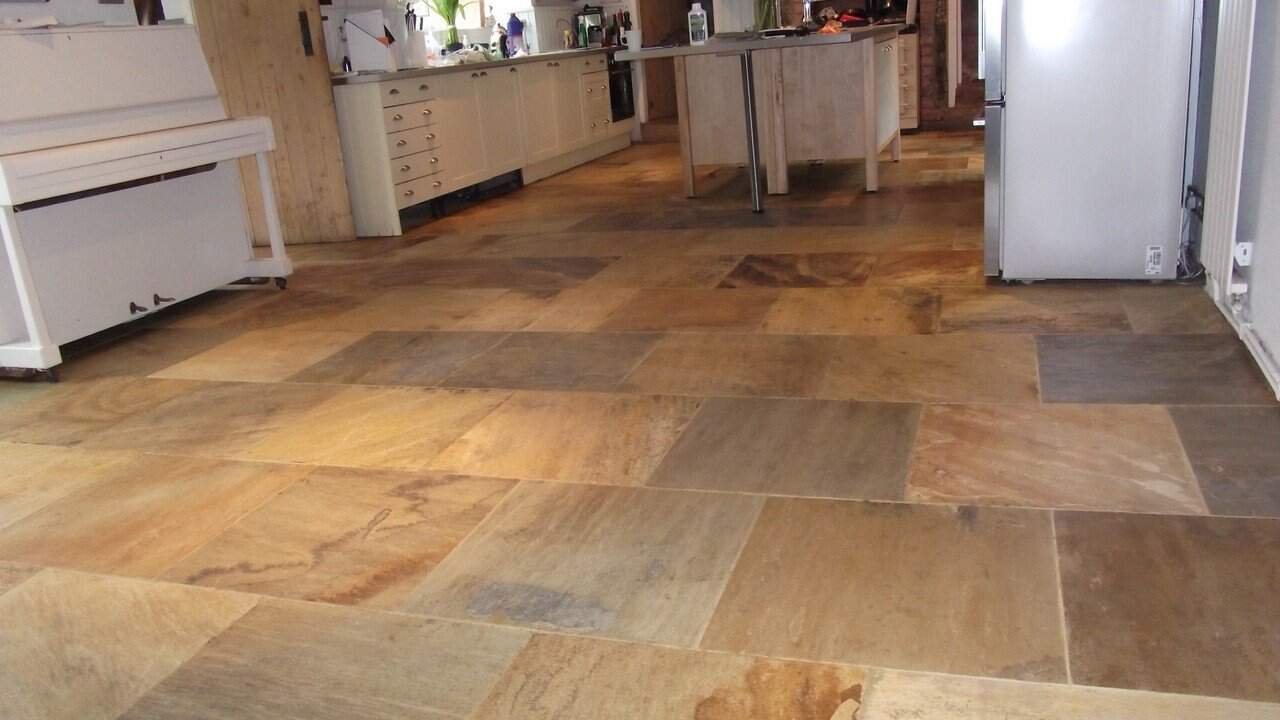
For a more comprehensive understanding of why porous stone exhibits these behaviours in UK homes, including insights on moisture movement, the limitations of sealers, and the reasons behind inconsistent cleaning outcomes, you may find this overview particularly valuable: Sandstone Floor Cleaning and Restoration in UK Homes.
What Causes Cleaning to Become Less Effective Over Time?
When consistent, careful cleaning fails to yield visible improvements, it typically indicates that the issues lie within the upper layers of the stone rather than merely on the surface. Fine contamination can become embedded in the stone's texture, old coatings may be deteriorating, and moisture movement can significantly influence how the floor dries daily. At this juncture, simply increasing cleaning efforts does not address the underlying problems. Scrubbing harder or cleaning more often does not resolve the fundamental issues occurring within the stone itself, necessitating a deeper examination of the floor's condition.
This is often the critical point where seeking a specialist assessment becomes essential. The aim is not merely to achieve an immediate transformation but rather to gain a clearer understanding of the situation, thus restoring predictability to the floor’s response to routine care while ensuring that the correct cleaning methods are employed.
As this page does not provide specific product recommendations, the related guide discusses how to determine whether a cleaner is appropriate for porous stone and identifies which categories may pose issues: The Safest Products For Cleaning Sandstone.
Top Recommended Products for Gentle Routine Care on Porous Stone Floors
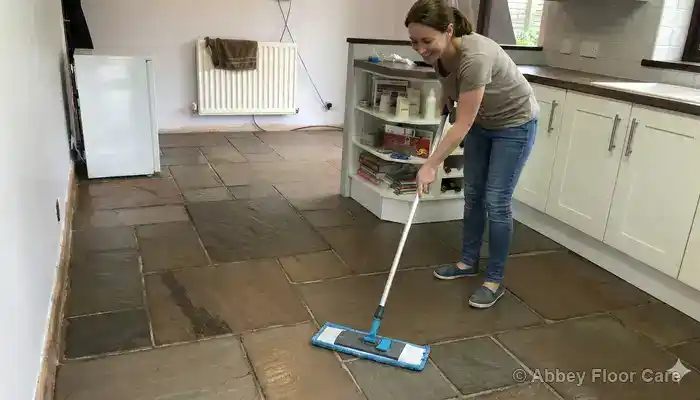
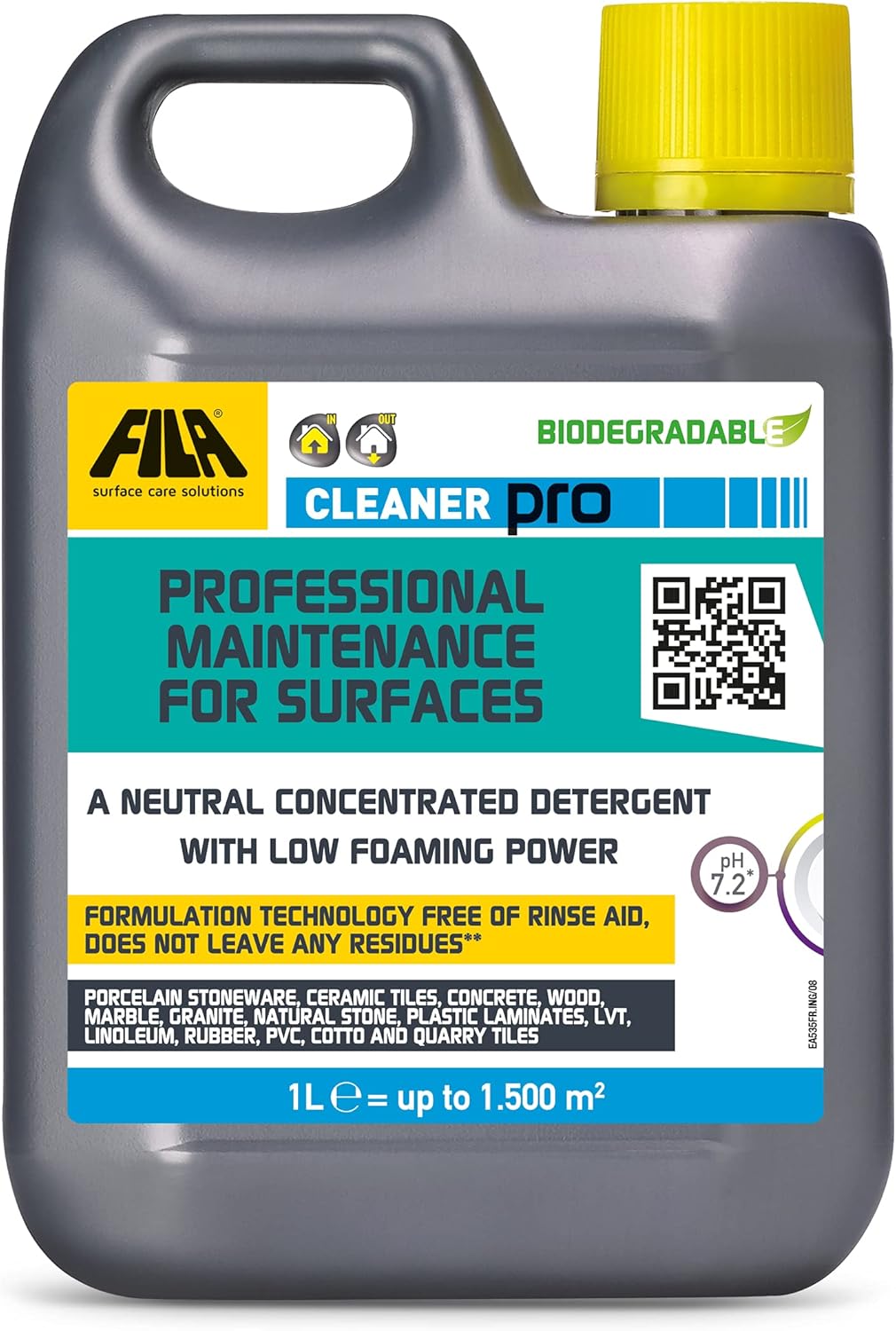
Fila Pro Floor Cleaner
|
LTP MPG Sealer H20
|
Vileda H2PrO Spin Mop System
|

Article by: David Allen – Abbey Floor Care
David Allen is a UK natural stone and tile specialist with decades of experience in sandstone and flagstone flooring in domestic settings. His focus is on elucidating how textured stone behaves in everyday use—why indoor flagstone often appears dusty again after cleaning, the limitations of routine care, and how to interpret what the floor is quietly communicating over time.
The article “How to Clean Indoor Flagstone Floors (When They Always Look Dusty Again)” was first found on https://www.abbeyfloorcare.co.uk
The Article Cleaning Indoor Flagstone Floors: Tips for a Lasting Shine appeared first on https://fabritec.org
The Article Indoor Flagstone Floor Cleaning Tips for a Lasting Shine Was Found On https://limitsofstrategy.com