Discover Comprehensive Insights on the FBC Test Available in Sheffield
What Are the Key Features of the FBC Test?
Private FBC Test in Sheffield: The FBC test, widely recognised as the Full Blood Count, serves as an essential diagnostic tool within Sheffield's healthcare system, meticulously crafted to evaluate various blood components. This crucial procedure not only facilitates the early detection of prevalent health conditions through a straightforward sampling technique but also ensures precise results for patients across the UK by strictly adhering to established national standards and protocols within local laboratories. The FBC test is vital for providing a holistic view of a patient’s health, offering invaluable insights into blood cell counts and overall wellbeing.
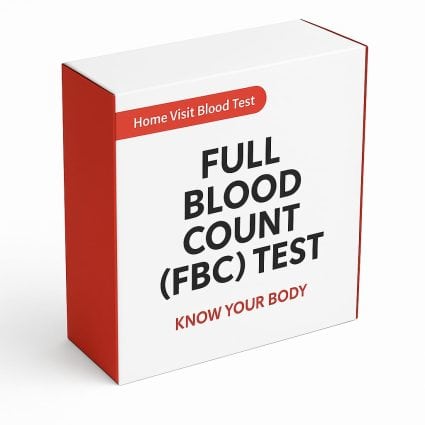

By assessing critical parameters such as red blood cell, white blood cell, and platelet counts, healthcare professionals can identify a spectrum of conditions ranging from anaemia to various infections. The accessibility of this test within Sheffield significantly enhances the potential for early intervention, enabling healthcare providers to proactively address potential health complications before they develop into more serious issues. This proactive stance highlights the essential role of regular blood examinations in upholding public health standards throughout the UK.
What Procedures Are Followed During the FBC Test?
In Sheffield, the execution of FBC tests employs standardised equipment and methodologies to accurately assess vital blood components, including red and white blood cell counts and platelet levels. These measurements are crucial for the early identification of diverse health conditions, such as infections, inflammation, or blood disorders. The testing process generally involves a venepuncture, which consists of drawing a small volume of blood from the patient's arm, ensuring that the procedure remains both straightforward and effective.
Qualified professionals within Sheffield's clinics commit to upholding UK medical standards, ensuring that the results produced are both reliable and consistent. The equipment used during these evaluations is regularly calibrated and maintained, demonstrating the dedication of local healthcare providers to preserve the integrity of diagnostic practices. Additionally, the collaborative efforts among various healthcare sectors in Sheffield enhance patient experiences, fostering a more efficient and trustworthy healthcare system.
What Are the Essential Preparation Steps for Patients?
Individuals preparing for an FBC test in Sheffield should adhere to specific guidelines to substantially improve the test’s efficacy. Health advice from professionals in the UK commonly suggests that individuals fast prior to testing and maintain proper hydration. Such preparation is vital to ensure that the blood sample accurately reflects physiological conditions, leading to more trustworthy results.
- Fasting for a minimum of 8 hours before the test.
- Drinking sufficient water to ensure hydration.
- Inform the healthcare provider about any medications or supplements taken recently.
- Avoiding vigorous exercise in the lead-up to the test.
- Wearing suitable clothing that allows easy access to the arm.
- Arriving at the clinic punctually to reduce anxiety.
- Discussing any concerns with the healthcare professional beforehand.
Local guidelines emphasise the importance of comfort and effective communication between patients and healthcare providers. By following these preparatory steps, individuals can help ensure that their FBC test results are as accurate and informative as possible, ultimately facilitating superior health management.
How to Interpret FBC Test Results Effectively
In Sheffield, the analysis of FBC test results involves comparing blood cell counts against recognised UK benchmarks. Healthcare providers depend on these comparisons to identify potential health issues, including anaemia, infections, or other blood-related disorders. The interpretation phase is vital, as it influences the subsequent steps in patient care, allowing for timely interventions when necessary.
Professionals in Sheffield excel at providing clear explanations to patients regarding their results, ensuring that any abnormalities are thoroughly understood. This adherence to local protocols enhances the effectiveness of follow-up care, allowing healthcare practitioners to create tailored treatment strategies based on individual health profiles. Emphasising patient education throughout this process fosters trust and empowers individuals to actively participate in their health management.
What Steps Are Involved in Conducting the FBC Test in Sheffield?
What Standard Techniques Are Utilised During the FBC Test?
Conducting an FBC test in Sheffield involves collecting a small blood sample using precise techniques that comply with UK healthcare standards. Typically, a trained technician performs a venepuncture, inserting a needle into the arm to collect the blood sample. This sample is subsequently processed with advanced laboratory equipment specifically designed to accurately measure various blood components.
Consistency in procedural practices is essential; therefore, laboratories in Sheffield implement strict protocols to ensure that each test is performed with the utmost accuracy. After collection, the blood sample undergoes analysis to quantify red blood cells, white blood cells, and platelets. This systematic approach guarantees dependable diagnostic results, which are critical for effective patient management.
Moreover, technological advancements have enhanced the efficiency of blood testing. Automated systems facilitate faster processing times, enabling healthcare providers to communicate results to patients swiftly. This level of service is particularly beneficial in community settings, where immediate access to health information can significantly influence treatment decisions and outcomes.
Why Opt for Local FBC Testing Services?
Choosing local FBC tests in Sheffield provides numerous advantages, primarily the rapid turnaround of results. Regional laboratories integrate seamlessly with the UK healthcare system, rendering testing services not only accessible but also highly efficient. When patients opt for local testing, they can expect reduced waiting times, which are crucial for timely diagnosis and treatment.
Furthermore, local facilities often possess a more profound understanding of the specific health trends and needs of the Sheffield population. This familiarity enables healthcare professionals to deliver more customised care, effectively addressing the unique health challenges of the community. Additionally, the convenience of local testing minimises logistical complications, such as travelling for appointments.
Healthcare providers in Sheffield are dedicated to ensuring that patients receive integrated care that connects test results with ongoing medical support. This streamlined approach improves the overall patient experience and contributes to better health outcomes across the region.
What Challenges Might Occur During the FBC Test?
In Sheffield, various challenges may arise during the FBC test process, including patient anxiety and potential sample errors. These factors could affect the accuracy of results; however, adherence to UK protocols is designed to mitigate such risks. Trained staff are well-equipped to address patient concerns, providing reassurance and support throughout the testing procedure.
Technicians are also trained to handle common challenges such as difficult venepuncture sites or patient discomfort. By implementing best practices, they minimise the likelihood of sample errors, ensuring that blood analyses remain reliable. Additionally, follow-up procedures are in place to address any complications that might arise, maintaining high standards in blood analysis.
Healthcare facilities in Sheffield consistently strive to enhance the testing experience for patients. This includes offering thorough explanations of the process and potential outcomes, ensuring that individuals feel informed and empowered throughout their healthcare journey.
Expert Perspectives on the FBC Test in Sheffield
How to Accurately Analyse FBC Test Results
Experts in Sheffield focus on the meticulous interpretation of FBC test results by thoroughly analysing data. Specialised training and experience enable UK specialists to decode blood count data, identifying irregularities that may signal underlying health issues. This careful approach is essential for developing effective treatment plans tailored to individual patient needs.
Healthcare professionals consider various factors while interpreting results, including patient history and local health trends. For instance, elevated white blood cell counts might indicate an infection, while low red blood cell counts could suggest anaemia. By correlating these findings with established health benchmarks, experts ensure that patients receive timely interventions when necessary.
Furthermore, the interaction between healthcare providers and patients is critical during this phase. Specialists take the time to explain the significance of test results, ensuring that individuals comprehend what the findings imply for their health. This communication fosters a collaborative environment, empowering patients to actively engage in their treatment journey and make informed health decisions.
How Are Advanced Diagnostic Applications Leveraged?
In Sheffield, healthcare professionals utilise FBC tests for purposes beyond routine diagnostics; they play a crucial role in deriving advanced health insights. For example, ongoing research in the UK has demonstrated that FBC results are vital for monitoring chronic conditions such as diabetes and heart disease. By observing changes in blood components over time, healthcare providers can identify trends that inform treatment decisions.
Moreover, integrating FBC tests with other diagnostic tools enhances the accuracy of health assessments. Specialists often correlate FBC data with imaging studies or laboratory tests to create a comprehensive health profile for patients. This multifaceted approach not only improves diagnostic precision but also ensures that treatment plans are informed by a holistic understanding of the patient’s health.
By applying advanced diagnostic techniques, Sheffield’s healthcare professionals are better equipped to provide targeted interventions. This results-oriented focus contributes to improved health outcomes and underscores the importance of FBC testing in contemporary medicine.
What Is the Role of FBC Testing in Preventive Care?
The FBC test plays a pivotal role in preventive care strategies within Sheffield. Experts advocate for regular blood testing as an integral part of routine health assessments, recognising its ability to detect potential health issues early. By adhering to UK guidelines that recommend regular checks, healthcare practitioners can intervene promptly when abnormalities are identified.
Real-world examples from clinical practices illustrate the advantages of routine FBC testing. For instance, patients who undergo regular screenings are often diagnosed with conditions such as anaemia at earlier stages, leading to timely treatment and improved health outcomes. This proactive approach not only enhances individual patient health but also contributes to the broader public health landscape in the UK.
Furthermore, the emphasis on preventive care aligns with the overarching goals of Sheffield’s healthcare system, which prioritises early intervention and comprehensive patient management. By fostering a culture of regular health checks, healthcare providers empower individuals to take charge of their health, ultimately enhancing community wellness.
Evidence-Based Benefits of the FBC Test in Sheffield
How Does the FBC Test Aid in Diagnosis?
In Sheffield, the FBC test is essential for diagnosis, particularly for identifying infections or anaemia. Evidence-based methodologies affirm the test’s significance, with UK studies highlighting its role in facilitating prompt medical responses, which are critical for enhancing patient outcomes. Healthcare professionals rely on FBC results to inform clinical decisions, ensuring that patients receive appropriate care based on their individual health profiles.
This test’s ability to provide a thorough analysis of blood components allows for the identification of various health concerns. For instance, elevated white blood cell counts may indicate active infections, while altered red blood cell levels can signal systemic issues such as nutritional deficiencies or chronic diseases. This extensive diagnostic potential assists healthcare providers in developing effective treatment strategies tailored to individual patient needs.
Furthermore, incorporating FBC tests into routine healthcare checks reinforces the importance of early intervention, allowing for timely treatment before conditions progress. Thus, the FBC test emerges not only as a diagnostic tool but also as a cornerstone of proactive health management practices in Sheffield.
What Long-Term Health Benefits Are Associated with Regular FBC Testing?
Regular FBC tests offer considerable long-term health benefits for patients in Sheffield. Research indicates that continuous monitoring through these tests can enhance the management of chronic diseases, aligning with UK health frameworks that promote wellness through regular assessments. By tracking blood components over time, healthcare providers can identify trends that inform modifications in treatment plans and lifestyle recommendations.
For example, patients managing conditions such as diabetes or cardiovascular disease gain significant advantages from FBC tests, as these results can reveal the effectiveness of current treatments. Adjustments can be made to medication or lifestyle choices based on precise, empirical data derived from blood analyses. This data-driven approach empowers patients to take an active role in their health management, ultimately improving their quality of life.
Additionally, the reassurance provided by regular testing helps patients feel more in control of their health. Knowing that their blood is being monitored for potential issues fosters a sense of security, encouraging individuals to maintain their commitment to health and wellness. This proactive engagement contributes to the overall health of the Sheffield community, alleviating the burden of chronic illnesses on the healthcare system.
How Is the FBC Test Integrated with Other Diagnostic Assessments?
In Sheffield, the FBC test frequently integrates with other local blood work, following UK protocols, to deliver comprehensive evaluations that enhance diagnostic precision. This collaborative strategy enables healthcare providers to construct a more complete picture of a patient’s health status, facilitating more informed decisions about treatment and management.
Integrating FBC results with supplementary tests, such as metabolic panels or lipid profiles, allows for a more holistic assessment of health. For example, when combined with an FBC test, cholesterol levels can be evaluated alongside red and white blood cell counts, providing insights into potential cardiovascular risks. This wealth of information empowers healthcare professionals to tailor their recommendations and interventions based on a comprehensive understanding of the patient’s overall health.
Moreover, the synergy between different tests reinforces the value of collaborative healthcare practices in Sheffield. By harnessing the strengths of various diagnostic tools, healthcare providers can ensure that patients receive the most accurate and effective care possible, ultimately enhancing health outcomes and promoting community wellness.
How Does FBC Testing Influence Paediatric Care?
In Sheffield, the FBC test holds significant importance in paediatric health, with UK research demonstrating its efficacy in the early detection of childhood illnesses. The test is vital for identifying conditions that may not exhibit obvious symptoms, thereby supporting improved growth and development outcomes through timely interventions.
Healthcare providers utilise FBC tests in children to monitor essential health indicators, such as blood cell counts, which can signal potential issues, including infections or blood disorders. Early detection through these tests allows for prompt medical responses, which are crucial in ensuring that children receive the necessary care to thrive.
Moreover, routine FBC testing among paediatric populations aligns with the UK’s commitment to preventive healthcare. By establishing a foundation of regular health checks, healthcare professionals can proactively address concerns before they escalate, promoting a culture of wellness that benefits future generations.
What Valuable Insights Can Be Gained from FBC Test Results?
How to Interpret Unusual FBC Test Findings
In Sheffield, abnormal results from an FBC test may indicate underlying health issues, necessitating further investigation and intervention. UK laboratories provide comprehensive reports on test results, which assist healthcare providers in making informed decisions regarding patient care. Understanding the implications of abnormal results is essential for both healthcare professionals and patients alike.
For instance, an elevated white blood cell count could suggest an ongoing infection, whereas low red blood cell levels might indicate anaemia. Such findings prompt healthcare providers to explore additional diagnostic avenues or treatment options tailored to the individual’s specific health needs. This proactive approach ensures that patients receive timely interventions and appropriate management strategies.
Moreover, clear communication between healthcare practitioners and patients is vital throughout this process. When patients understand the implications of their test results, they are better equipped to engage in discussions about their health, fostering a collaborative environment that enhances the overall healthcare experience.
What Factors Influence the Outcomes of FBC Tests?
Results from FBC tests in Sheffield can fluctuate due to various lifestyle or dietary factors, as analysed under UK standards. Understanding these influencing factors is crucial for accurately interpreting test outcomes and promoting proactive health adjustments among patients.
- Dietary habits, particularly iron intake.
- Hydration levels prior to the test.
- Physical activity levels in the days leading up to the test.
- Medications or supplements that may affect blood composition.
- Stress levels and overall mental wellbeing.
- Chronic health conditions impacting blood cell production.
- Genetic predispositions affecting blood health.
- Recent infections or illnesses that may distort results.
By addressing these factors, healthcare providers can offer personalised guidance to patients, encouraging them to adopt healthier lifestyles that support optimal blood health. This focus on holistic health management contributes to improved long-term outcomes and reinforces the significance of regular FBC testing.
What Follow-Up Recommendations Are Advised After FBC Testing?
After undergoing an FBC test in Sheffield, patients typically receive guidance on the next steps in line with UK guidelines. This follow-up process is crucial for ensuring that any concerns identified during testing are addressed promptly and effectively, promoting optimal health management.
Healthcare professionals often recommend scheduling follow-up appointments to discuss test results and any necessary actions. These may include further diagnostic testing or lifestyle modifications aimed at enhancing health outcomes. For example, if results indicate anaemia, a healthcare provider might propose dietary changes or refer the patient to a specialist for further evaluation and treatment.
Additionally, maintaining open lines of communication between patients and providers is essential. Patients are encouraged to inquire about their results and the implications for their health, fostering a collaborative approach to healthcare that empowers individuals to engage actively in their health management.
Essential Preparatory Steps for Your FBC Test in Sheffield
What Key Guidelines Should Patients Adhere To?
Individuals in Sheffield must follow specific guidelines to optimise the accuracy and overall experience of their FBC test. Following these recommendations not only enhances test quality but also assists healthcare professionals in delivering precise diagnostic outcomes.
Key preparation steps include avoiding certain foods before the test, as these can influence blood composition and skew results. For example, individuals may be advised to refrain from consuming high-fat meals or alcohol prior to testing. Additionally, patients should inform their healthcare provider of any medications or supplements they are taking, as these can also affect test outcomes.
Adhering to these guidelines is vital in ensuring that the FBC test accurately reflects the patient’s health status, enabling more effective diagnoses and treatment strategies. By prioritising preparation, patients can take an active role in their health management, contributing to improved health outcomes and overall wellbeing.
What to Expect During the FBC Test Process?
The FBC test process in Sheffield is designed to ensure minimal discomfort for patients, with UK procedures prioritising efficiency and patient comfort. Individuals can expect a straightforward experience, beginning with a brief check-in and consultation with a healthcare professional.
During the test, a qualified technician will perform a venepuncture to draw a small blood sample. While some patients may feel mild discomfort from the needle, the procedure is typically quick, lasting only a few moments. Healthcare providers strive to create a supportive environment, ensuring that patients feel informed and reassured throughout the process.
Overall, the emphasis on patient care during the FBC test contributes to a positive healthcare experience, fostering trust in the diagnostic process and encouraging individuals to engage in regular health monitoring.
What Post-Test Care Advice Should Be Followed?
Following the FBC test in Sheffield, adhering to UK health tips for recovery is vital for maintaining overall wellbeing. Patients are encouraged to monitor for any symptoms that arise after the test, particularly any unusual reactions or discomfort.
Common post-test advice includes staying hydrated, avoiding strenuous activities for a brief period, and keeping the venepuncture site clean and dry. Patients should also be mindful of potential side effects, such as bruising or tenderness at the blood draw site, and report any concerns to their healthcare provider.
By following these post-test care guidelines, individuals can facilitate their recovery and ensure that their health remains a priority. This attention to post-test wellbeing complements the proactive approach to health management fostered by the FBC test, reinforcing the importance of ongoing health monitoring.
Frequently Asked Questions About the FBC Test
What Is the Purpose of the FBC Test?
The FBC test evaluates various blood components, assisting in the diagnosis of conditions such as anaemia, infections, and other health issues by providing a comprehensive overview of a patient’s blood health.
What Is the Typical Turnaround Time for FBC Test Results?
Results from FBC tests are generally available within a few days, depending on the laboratory’s processing times. Local facilities in Sheffield often strive for a quick turnaround to enable timely patient care.
Is Fasting Necessary Before an FBC Test?
While fasting is not always obligatory, it is typically recommended to enhance test accuracy. Patients should consult their healthcare provider for specific instructions based on their individual circumstances.
What Factors Can Influence FBC Test Results?
Factors such as diet, hydration levels, physical activity, medications, and underlying health conditions can all affect FBC test results. Patients should discuss these factors with their healthcare provider before testing.
Are Children Eligible for FBC Tests?
Yes, FBC tests are safe and commonly performed on children to monitor their health and detect potential illnesses early. Healthcare providers in Sheffield ensure that the process is child-friendly.
What Steps Are Taken If My FBC Test Results Are Abnormal?
Abnormal FBC test results may indicate underlying health issues. Healthcare providers typically recommend further testing or follow-up consultations to discuss appropriate actions based on the findings.
How Frequently Should I Get an FBC Test?
The frequency of FBC tests depends on individual health needs and risk factors. Healthcare providers may suggest regular screenings as part of routine health assessments or to monitor specific conditions.
Is There Any Discomfort Associated with the FBC Test?
Patients may experience mild discomfort during the blood draw, but the procedure is generally quick and well-tolerated. Healthcare professionals strive to minimise discomfort and provide support throughout the process.
What Preparations Should I Undertake for the FBC Test?
Preparation usually involves following specific guidelines, such as fasting for a set period and staying hydrated. Patients should consult their healthcare provider for tailored advice based on their situation.
Can I Eat or Drink Before the FBC Test?
It is advisable to avoid certain foods and beverages, especially those high in fat, before the test. Patients should confirm specific fasting instructions with their healthcare provider to ensure accurate results.
Join our community on Facebook!
Discover Comprehensive Insights on the FBC Test Available in Sheffield
What Are the Key Features of the FBC Test?
Private FBC Test in Sheffield: The FBC test, widely recognised as the Full Blood Count, serves as an essential diagnostic tool within Sheffield's healthcare system, meticulously crafted to evaluate various blood components. This crucial procedure not only facilitates the early detection of prevalent health conditions through a straightforward sampling technique but also ensures precise results for patients across the UK by strictly adhering to established national standards and protocols within local laboratories. The FBC test is vital for providing a holistic view of a patient’s health, offering invaluable insights into blood cell counts and overall wellbeing.
By assessing critical parameters such as red blood cell, white blood cell, and platelet counts, healthcare professionals can identify a spectrum of conditions ranging from anaemia to various infections. The accessibility of this test within Sheffield significantly enhances the potential for early intervention, enabling healthcare providers to proactively address potential health complications before they develop into more serious issues. This proactive stance highlights the essential role of regular blood examinations in upholding public health standards throughout the UK.
What Procedures Are Followed During the FBC Test?
In Sheffield, the execution of FBC tests employs standardised equipment and methodologies to accurately assess vital blood components, including red and white blood cell counts and platelet levels. These measurements are crucial for the early identification of diverse health conditions, such as infections, inflammation, or blood disorders. The testing process generally involves a venepuncture, which consists of drawing a small volume of blood from the patient's arm, ensuring that the procedure remains both straightforward and effective.
Qualified professionals within Sheffield's clinics commit to upholding UK medical standards, ensuring that the results produced are both reliable and consistent. The equipment used during these evaluations is regularly calibrated and maintained, demonstrating the dedication of local healthcare providers to preserve the integrity of diagnostic practices. Additionally, the collaborative efforts among various healthcare sectors in Sheffield enhance patient experiences, fostering a more efficient and trustworthy healthcare system.
What Are the Essential Preparation Steps for Patients?
Individuals preparing for an FBC test in Sheffield should adhere to specific guidelines to substantially improve the test’s efficacy. Health advice from professionals in the UK commonly suggests that individuals fast prior to testing and maintain proper hydration. Such preparation is vital to ensure that the blood sample accurately reflects physiological conditions, leading to more trustworthy results.
- Fasting for a minimum of 8 hours before the test.
- Drinking sufficient water to ensure hydration.
- Inform the healthcare provider about any medications or supplements taken recently.
- Avoiding vigorous exercise in the lead-up to the test.
- Wearing suitable clothing that allows easy access to the arm.
- Arriving at the clinic punctually to reduce anxiety.
- Discussing any concerns with the healthcare professional beforehand.
Local guidelines emphasise the importance of comfort and effective communication between patients and healthcare providers. By following these preparatory steps, individuals can help ensure that their FBC test results are as accurate and informative as possible, ultimately facilitating superior health management.
How to Interpret FBC Test Results Effectively
In Sheffield, the analysis of FBC test results involves comparing blood cell counts against recognised UK benchmarks. Healthcare providers depend on these comparisons to identify potential health issues, including anaemia, infections, or other blood-related disorders. The interpretation phase is vital, as it influences the subsequent steps in patient care, allowing for timely interventions when necessary.
Professionals in Sheffield excel at providing clear explanations to patients regarding their results, ensuring that any abnormalities are thoroughly understood. This adherence to local protocols enhances the effectiveness of follow-up care, allowing healthcare practitioners to create tailored treatment strategies based on individual health profiles. Emphasising patient education throughout this process fosters trust and empowers individuals to actively participate in their health management.
What Steps Are Involved in Conducting the FBC Test in Sheffield?
What Standard Techniques Are Utilised During the FBC Test?
Conducting an FBC test in Sheffield involves collecting a small blood sample using precise techniques that comply with UK healthcare standards. Typically, a trained technician performs a venepuncture, inserting a needle into the arm to collect the blood sample. This sample is subsequently processed with advanced laboratory equipment specifically designed to accurately measure various blood components.
Consistency in procedural practices is essential; therefore, laboratories in Sheffield implement strict protocols to ensure that each test is performed with the utmost accuracy. After collection, the blood sample undergoes analysis to quantify red blood cells, white blood cells, and platelets. This systematic approach guarantees dependable diagnostic results, which are critical for effective patient management.
Moreover, technological advancements have enhanced the efficiency of blood testing. Automated systems facilitate faster processing times, enabling healthcare providers to communicate results to patients swiftly. This level of service is particularly beneficial in community settings, where immediate access to health information can significantly influence treatment decisions and outcomes.
Why Opt for Local FBC Testing Services?
Choosing local FBC tests in Sheffield provides numerous advantages, primarily the rapid turnaround of results. Regional laboratories integrate seamlessly with the UK healthcare system, rendering testing services not only accessible but also highly efficient. When patients opt for local testing, they can expect reduced waiting times, which are crucial for timely diagnosis and treatment.
Furthermore, local facilities often possess a more profound understanding of the specific health trends and needs of the Sheffield population. This familiarity enables healthcare professionals to deliver more customised care, effectively addressing the unique health challenges of the community. Additionally, the convenience of local testing minimises logistical complications, such as travelling for appointments.
Healthcare providers in Sheffield are dedicated to ensuring that patients receive integrated care that connects test results with ongoing medical support. This streamlined approach improves the overall patient experience and contributes to better health outcomes across the region.
What Challenges Might Occur During the FBC Test?
In Sheffield, various challenges may arise during the FBC test process, including patient anxiety and potential sample errors. These factors could affect the accuracy of results; however, adherence to UK protocols is designed to mitigate such risks. Trained staff are well-equipped to address patient concerns, providing reassurance and support throughout the testing procedure.
Technicians are also trained to handle common challenges such as difficult venepuncture sites or patient discomfort. By implementing best practices, they minimise the likelihood of sample errors, ensuring that blood analyses remain reliable. Additionally, follow-up procedures are in place to address any complications that might arise, maintaining high standards in blood analysis.
Healthcare facilities in Sheffield consistently strive to enhance the testing experience for patients. This includes offering thorough explanations of the process and potential outcomes, ensuring that individuals feel informed and empowered throughout their healthcare journey.
Expert Perspectives on the FBC Test in Sheffield
How to Accurately Analyse FBC Test Results
Experts in Sheffield focus on the meticulous interpretation of FBC test results by thoroughly analysing data. Specialised training and experience enable UK specialists to decode blood count data, identifying irregularities that may signal underlying health issues. This careful approach is essential for developing effective treatment plans tailored to individual patient needs.
Healthcare professionals consider various factors while interpreting results, including patient history and local health trends. For instance, elevated white blood cell counts might indicate an infection, while low red blood cell counts could suggest anaemia. By correlating these findings with established health benchmarks, experts ensure that patients receive timely interventions when necessary.
Furthermore, the interaction between healthcare providers and patients is critical during this phase. Specialists take the time to explain the significance of test results, ensuring that individuals comprehend what the findings imply for their health. This communication fosters a collaborative environment, empowering patients to actively engage in their treatment journey and make informed health decisions.
How Are Advanced Diagnostic Applications Leveraged?
In Sheffield, healthcare professionals utilise FBC tests for purposes beyond routine diagnostics; they play a crucial role in deriving advanced health insights. For example, ongoing research in the UK has demonstrated that FBC results are vital for monitoring chronic conditions such as diabetes and heart disease. By observing changes in blood components over time, healthcare providers can identify trends that inform treatment decisions.
Moreover, integrating FBC tests with other diagnostic tools enhances the accuracy of health assessments. Specialists often correlate FBC data with imaging studies or laboratory tests to create a comprehensive health profile for patients. This multifaceted approach not only improves diagnostic precision but also ensures that treatment plans are informed by a holistic understanding of the patient’s health.
By applying advanced diagnostic techniques, Sheffield’s healthcare professionals are better equipped to provide targeted interventions. This results-oriented focus contributes to improved health outcomes and underscores the importance of FBC testing in contemporary medicine.
What Is the Role of FBC Testing in Preventive Care?
The FBC test plays a pivotal role in preventive care strategies within Sheffield. Experts advocate for regular blood testing as an integral part of routine health assessments, recognising its ability to detect potential health issues early. By adhering to UK guidelines that recommend regular checks, healthcare practitioners can intervene promptly when abnormalities are identified.
Real-world examples from clinical practices illustrate the advantages of routine FBC testing. For instance, patients who undergo regular screenings are often diagnosed with conditions such as anaemia at earlier stages, leading to timely treatment and improved health outcomes. This proactive approach not only enhances individual patient health but also contributes to the broader public health landscape in the UK.
Furthermore, the emphasis on preventive care aligns with the overarching goals of Sheffield’s healthcare system, which prioritises early intervention and comprehensive patient management. By fostering a culture of regular health checks, healthcare providers empower individuals to take charge of their health, ultimately enhancing community wellness.
Evidence-Based Benefits of the FBC Test in Sheffield
How Does the FBC Test Aid in Diagnosis?
In Sheffield, the FBC test is essential for diagnosis, particularly for identifying infections or anaemia. Evidence-based methodologies affirm the test’s significance, with UK studies highlighting its role in facilitating prompt medical responses, which are critical for enhancing patient outcomes. Healthcare professionals rely on FBC results to inform clinical decisions, ensuring that patients receive appropriate care based on their individual health profiles.
This test’s ability to provide a thorough analysis of blood components allows for the identification of various health concerns. For instance, elevated white blood cell counts may indicate active infections, while altered red blood cell levels can signal systemic issues such as nutritional deficiencies or chronic diseases. This extensive diagnostic potential assists healthcare providers in developing effective treatment strategies tailored to individual patient needs.
Furthermore, incorporating FBC tests into routine healthcare checks reinforces the importance of early intervention, allowing for timely treatment before conditions progress. Thus, the FBC test emerges not only as a diagnostic tool but also as a cornerstone of proactive health management practices in Sheffield.
What Long-Term Health Benefits Are Associated with Regular FBC Testing?
Regular FBC tests offer considerable long-term health benefits for patients in Sheffield. Research indicates that continuous monitoring through these tests can enhance the management of chronic diseases, aligning with UK health frameworks that promote wellness through regular assessments. By tracking blood components over time, healthcare providers can identify trends that inform modifications in treatment plans and lifestyle recommendations.
For example, patients managing conditions such as diabetes or cardiovascular disease gain significant advantages from FBC tests, as these results can reveal the effectiveness of current treatments. Adjustments can be made to medication or lifestyle choices based on precise, empirical data derived from blood analyses. This data-driven approach empowers patients to take an active role in their health management, ultimately improving their quality of life.
Additionally, the reassurance provided by regular testing helps patients feel more in control of their health. Knowing that their blood is being monitored for potential issues fosters a sense of security, encouraging individuals to maintain their commitment to health and wellness. This proactive engagement contributes to the overall health of the Sheffield community, alleviating the burden of chronic illnesses on the healthcare system.
How Is the FBC Test Integrated with Other Diagnostic Assessments?
In Sheffield, the FBC test frequently integrates with other local blood work, following UK protocols, to deliver comprehensive evaluations that enhance diagnostic precision. This collaborative strategy enables healthcare providers to construct a more complete picture of a patient’s health status, facilitating more informed decisions about treatment and management.
Integrating FBC results with supplementary tests, such as metabolic panels or lipid profiles, allows for a more holistic assessment of health. For example, when combined with an FBC test, cholesterol levels can be evaluated alongside red and white blood cell counts, providing insights into potential cardiovascular risks. This wealth of information empowers healthcare professionals to tailor their recommendations and interventions based on a comprehensive understanding of the patient’s overall health.
Moreover, the synergy between different tests reinforces the value of collaborative healthcare practices in Sheffield. By harnessing the strengths of various diagnostic tools, healthcare providers can ensure that patients receive the most accurate and effective care possible, ultimately enhancing health outcomes and promoting community wellness.
How Does FBC Testing Influence Paediatric Care?
In Sheffield, the FBC test holds significant importance in paediatric health, with UK research demonstrating its efficacy in the early detection of childhood illnesses. The test is vital for identifying conditions that may not exhibit obvious symptoms, thereby supporting improved growth and development outcomes through timely interventions.
Healthcare providers utilise FBC tests in children to monitor essential health indicators, such as blood cell counts, which can signal potential issues, including infections or blood disorders. Early detection through these tests allows for prompt medical responses, which are crucial in ensuring that children receive the necessary care to thrive.
Moreover, routine FBC testing among paediatric populations aligns with the UK’s commitment to preventive healthcare. By establishing a foundation of regular health checks, healthcare professionals can proactively address concerns before they escalate, promoting a culture of wellness that benefits future generations.
What Valuable Insights Can Be Gained from FBC Test Results?
How to Interpret Unusual FBC Test Findings
In Sheffield, abnormal results from an FBC test may indicate underlying health issues, necessitating further investigation and intervention. UK laboratories provide comprehensive reports on test results, which assist healthcare providers in making informed decisions regarding patient care. Understanding the implications of abnormal results is essential for both healthcare professionals and patients alike.
For instance, an elevated white blood cell count could suggest an ongoing infection, whereas low red blood cell levels might indicate anaemia. Such findings prompt healthcare providers to explore additional diagnostic avenues or treatment options tailored to the individual’s specific health needs. This proactive approach ensures that patients receive timely interventions and appropriate management strategies.
Moreover, clear communication between healthcare practitioners and patients is vital throughout this process. When patients understand the implications of their test results, they are better equipped to engage in discussions about their health, thereby fostering a collaborative environment that enhances the overall healthcare experience.
What Factors Influence the Outcomes of FBC Tests?
Results from FBC tests in Sheffield can fluctuate due to various lifestyle or dietary factors, as analysed under UK standards. Understanding these influencing factors is crucial for accurately interpreting test outcomes and promoting proactive health adjustments among patients.
- Dietary habits, particularly iron intake.
- Hydration levels prior to the test.
- Physical activity levels in the days leading up to the test.
- Medications or supplements that may affect blood composition.
- Stress levels and overall mental wellbeing.
- Chronic health conditions impacting blood cell production.
- Genetic predispositions affecting blood health.
- Recent infections or illnesses that may distort results.
By addressing these factors, healthcare providers can offer personalised guidance to patients, encouraging them to adopt healthier lifestyles that support optimal blood health. This focus on holistic health management contributes to improved long-term outcomes and reinforces the significance of regular FBC testing.
What Follow-Up Recommendations Are Advised After FBC Testing?
After undergoing an FBC test in Sheffield, patients typically receive guidance on the next steps in line with UK guidelines. This follow-up process is crucial for ensuring that any concerns identified during testing are addressed promptly and effectively, promoting optimal health management.
Healthcare professionals often recommend scheduling follow-up appointments to discuss test results and any necessary actions. These may include further diagnostic testing or lifestyle modifications aimed at enhancing health outcomes. For example, if results indicate anaemia, a healthcare provider might propose dietary changes or refer the patient to a specialist for further evaluation and treatment.
Additionally, maintaining open lines of communication between patients and providers is essential. Patients are encouraged to inquire about their results and the implications for their health, fostering a collaborative approach to healthcare that empowers individuals to engage actively in their health management.
Essential Preparatory Steps for Your FBC Test in Sheffield
What Key Guidelines Should Patients Adhere To?
Individuals in Sheffield must follow specific guidelines to optimise the accuracy and overall experience of their FBC test. Following these recommendations not only enhances test quality but also assists healthcare professionals in delivering precise diagnostic outcomes.
Key preparation steps include avoiding certain foods before the test, as these can influence blood composition and skew results. For example, individuals may be advised to refrain from consuming high-fat meals or alcohol prior to testing. Additionally, patients should inform their healthcare provider of any medications or supplements they are taking, as these can also affect test outcomes.
Adhering to these guidelines is vital in ensuring that the FBC test accurately reflects the patient’s health status, enabling more effective diagnoses and treatment strategies. By prioritising preparation, patients can take an active role in their health management, contributing to improved health outcomes and overall wellbeing.
What to Expect During the FBC Test Process?
The FBC test process in Sheffield is designed to ensure minimal discomfort for patients, with UK procedures prioritising efficiency and patient comfort. Individuals can expect a straightforward experience, beginning with a brief check-in and consultation with a healthcare professional.
During the test, a qualified technician will perform a venepuncture to draw a small blood sample. While some patients may feel mild discomfort from the needle, the procedure is typically quick, lasting only a few moments. Healthcare providers strive to create a supportive environment, ensuring that patients feel informed and reassured throughout the process.
Overall, the emphasis on patient care during the FBC test contributes to a positive healthcare experience, fostering trust in the diagnostic process and encouraging individuals to engage in regular health monitoring.
What Post-Test Care Advice Should Be Followed?
Following the FBC test in Sheffield, adhering to UK health tips for recovery is vital for maintaining overall wellbeing. Patients are encouraged to monitor for any symptoms that arise after the test, particularly any unusual reactions or discomfort.
Common post-test advice includes staying hydrated, avoiding strenuous activities for a brief period, and keeping the venepuncture site clean and dry. Patients should also be mindful of potential side effects, such as bruising or tenderness at the blood draw site, and report any concerns to their healthcare provider.
By following these post-test care guidelines, individuals can facilitate their recovery and ensure that their health remains a priority. This attention to post-test wellbeing complements the proactive approach to health management fostered by the FBC test, reinforcing the importance of ongoing health monitoring.
Frequently Asked Questions About the FBC Test
What Is the Purpose of the FBC Test?
The FBC test evaluates various blood components, assisting in the diagnosis of conditions such as anaemia, infections, and other health issues by providing a comprehensive overview of a patient’s blood health.
What Is the Typical Turnaround Time for FBC Test Results?
Results from FBC tests are generally available within a few days, depending on the laboratory’s processing times. Local facilities in Sheffield often strive for a quick turnaround to enable timely patient care.
Is Fasting Necessary Before an FBC Test?
While fasting is not always obligatory, it is typically recommended to enhance test accuracy. Patients should consult their healthcare provider for specific instructions based on their individual circumstances.
What Factors Can Influence FBC Test Results?
Factors such as diet, hydration levels, physical activity, medications, and underlying health conditions can all affect FBC test results. Patients should discuss these factors with their healthcare provider before testing.
Are Children Eligible for FBC Tests?
Yes, FBC tests are safe and commonly performed on children to monitor their health and detect potential illnesses early. Healthcare providers in Sheffield ensure that the process is child-friendly.
What Steps Are Taken If My FBC Test Results Are Abnormal?
Abnormal FBC test results may indicate underlying health issues. Healthcare providers typically recommend further testing or follow-up consultations to discuss appropriate actions based on the findings.
How Frequently Should I Get an FBC Test?
The frequency of FBC tests depends on individual health needs and risk factors. Healthcare providers may suggest regular screenings as part of routine health assessments or to monitor specific conditions.
Is There Any Discomfort Associated with the FBC Test?
Patients may experience mild discomfort during the blood draw, but the procedure is generally quick and well-tolerated. Healthcare professionals strive to minimise discomfort and provide support throughout the process.
What Preparations Should I Undertake for the FBC Test?
Preparation usually involves following specific guidelines, such as fasting for a set period and staying hydrated. Patients should consult their healthcare provider for tailored advice based on their situation.
Can I Eat or Drink Before the FBC Test?
It is advisable to avoid certain foods and beverages, especially those high in fat, before the test. Patients should confirm specific fasting instructions with their healthcare provider to ensure accurate results.
Join our community on Facebook!
</
The Article FBC Test Insights and Benefits in Sheffield found first on https://electroquench.com