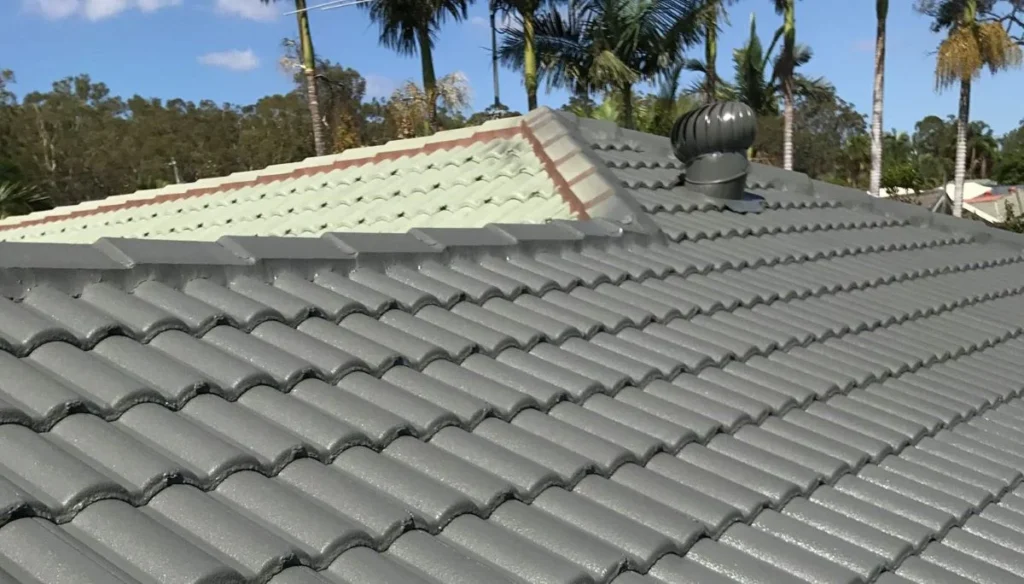
Roof repointing is the process of renewing the pointing along the ridge and hip capping of a tiled roof. This pointing serves as the visible finishing layer that connects the ridge caps to the roof tiles, ensuring a cohesive look. Beneath the pointing lies the bedding, which acts as the foundational support for the ridge cap. When the pointing deteriorates—becoming cracked, crumbled, or detached from the tiles—repointing becomes necessary. This involves removing the loose material and applying a fresh layer of pointing compound, thereby restoring the structural integrity of the ridge line.
At Easy Cut Painting Services, we excel in professional tile roof repointing as part of our extensive roof restoration services. This offering includes repairing or replacing any damaged tiles, alongside the application of UV-stable roof coatings. Our company, led by Nasser Khadivi, has proudly served homeowners in Sydney since 2000.
We are licensed by NSW Fair Trading as a painting contractor (licence number 105492C) and are proud members of Master Painters Australia. This guide explores the vital role of pointing on tiled roofs, the signs that indicate your ridge capping needs repointing, and the step-by-step process involved in repointing. Our aim is to help you identify potential issues before arranging an inspection.
- Pointing acts as the visible finishing layer on ridge and hip caps, applied over the bedding layer.
- Signs such as cracked, crumbling, or gapped pointing along the ridge line indicate a need for repointing.
- If the bedding supporting a ridge cap is compromised, rebedding must take place before new pointing can be applied.
- Flexible pointing compounds are designed to adapt to roof movement without cracking, unlike traditional rigid cement mortar.
- Easy Cut conducts a comprehensive roof inspection prior to providing a quote, with repointing included as part of a complete roof restoration service.
What Is Roof Repointing and Why Is It Crucial for Your Roof?
On a tiled roof, ridge caps run along the apex, while hip caps extend down the sloped edges where two roof planes meet. Each cap is secured atop a bedding layer, and the joint between the cap and the roof tiles is finished with pointing. Roof repointing refers to renewing this essential finishing layer when the existing pointing has deteriorated.
Pointing is not only important for aesthetic appeal but also for functionality. According to Selleys, a manufacturer of flexible pointing compounds, their product acts as an adhesive mechanical fastener for hip and ridge tiles. Monier similarly describes its flexible pointing as an adhesive fastener for both concrete and terracotta hip and ridge tiles. These compounds are vital for effectively securing the ridge capping.
Differentiating Between Bedding and Pointing on a Tile Roof
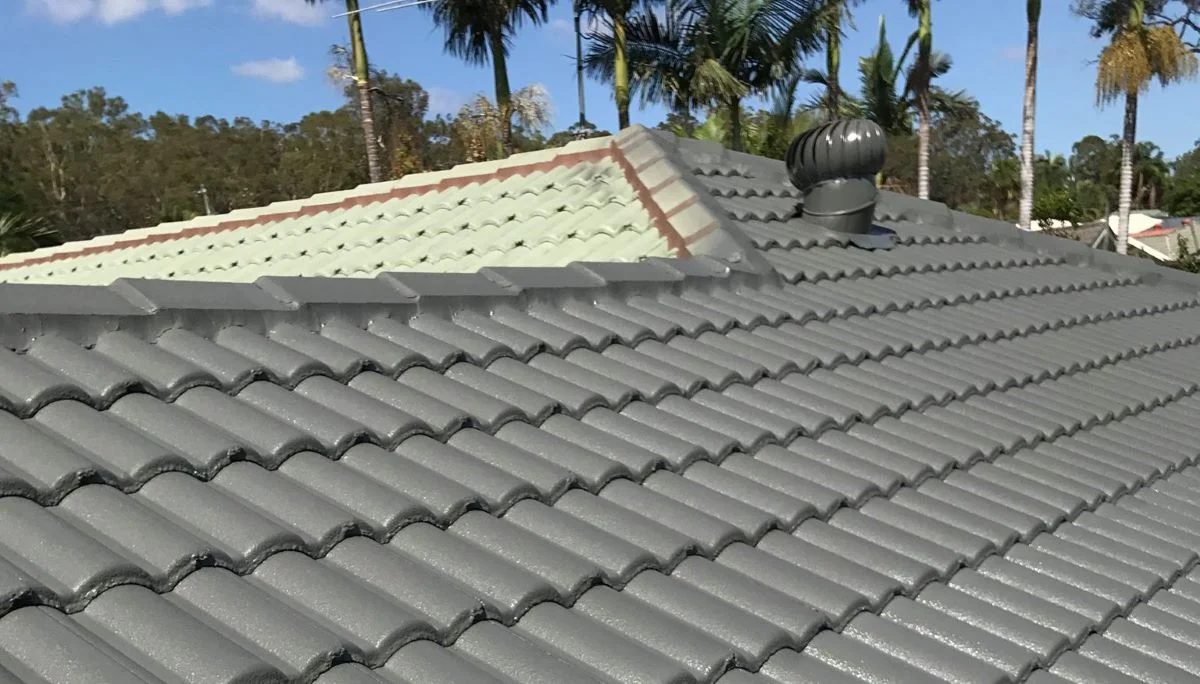
Bedding and pointing are two distinct layers within a roofing system. Bedding is applied first and serves as the foundational layer beneath the ridge cap. Once the bedding has cured, pointing is applied on top. The Selleys data sheet specifies that bedding requires a curing period of at least 12 hours at temperatures of 15°C or above, or at least 24 hours at temperatures between 10°C and 15°C, before pointing can commence. The bedding should be free from defects and finished at least 3 mm below the edge of the ridge tiles.
Understanding this distinction is essential for determining whether a roof requires only repointing or if rebedding is also necessary. If the bedding beneath the ridge capping remains intact, the old pointing can be removed, and a new layer can be applied. if the bedding has deteriorated, merely adding new pointing will not resolve the underlying issues; thus, rebedding becomes essential. At Easy Cut, we ensure that rebedding of ridge capping is included in our service whenever the bedding is found to be compromised, guaranteeing proper actions are taken during the inspection.
What Causes Cracking in Ridge Cap Pointing?
A roof naturally experiences movement over time. Monier points out that flexible pointing differs from traditional cement mortar pointing, which is inherently brittle. Flexible pointing retains some elasticity after curing, allowing it to adjust to the roof’s movement without cracking or separating. In contrast, rigid cement mortar lacks this flexibility, making it more susceptible to cracking or detaching when the roof shifts.
Environmental factors during application greatly influence the durability of pointing. Selleys advises against applying its compound when the surface temperature is 10°C or lower, or if rain is expected within two hours. It is important to consider prevailing weather conditions when scheduling repointing.
How Can You Recognise When Your Tile Roof Needs Repointing?
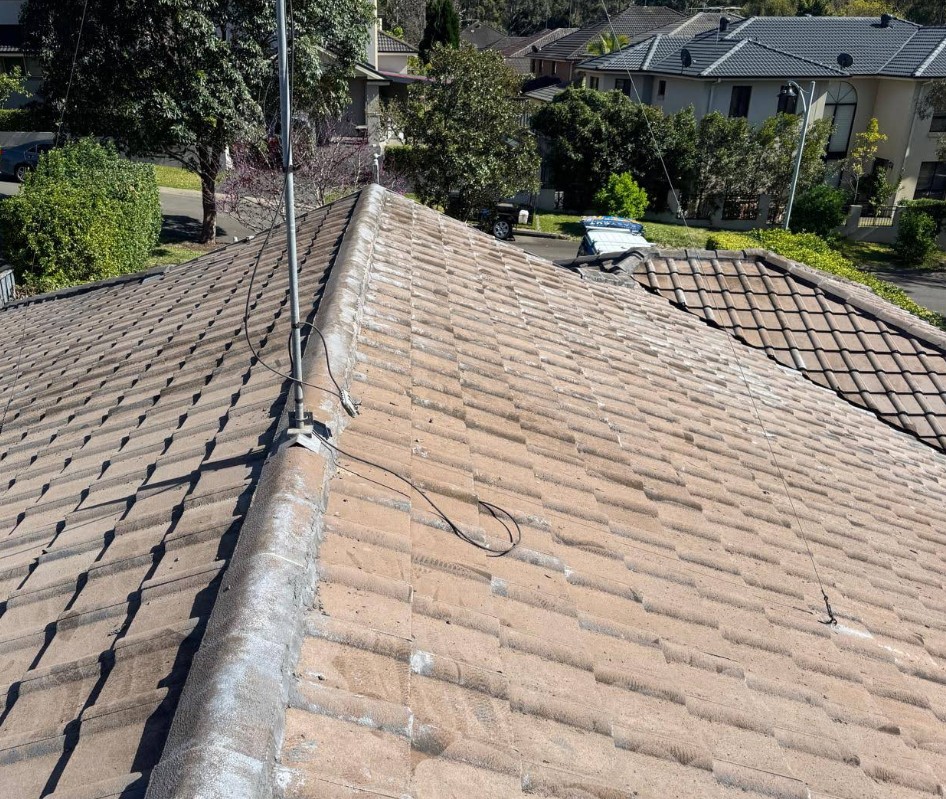
Several indicators suggest that a tiled roof requires repointing, which can often be observed from the ground or an upper-floor window. Here are the key signs to be vigilant for:
- Visible cracks along the pointing of the ridge or hip capping.
- Crumbling pointing that has deteriorated, creating gaps between the ridge caps and the roof tiles.
- Fragments of broken pointing found on the roof tiles or accumulating in the gutters.
- A ridge cap that appears misaligned with adjacent caps.
Cracked or deteriorating mortar around the ridge capping is a primary concern we investigate during roof assessments for restoration. We also evaluate various factors, including faded or chalky tiles, moss and lichen growth, and coatings that have started to peel. If you notice any of these signs, please share your observations when scheduling a booking. Our inspection will determine whether the ridges require repointing, rebedding, or tile replacement.
Step-by-Step Process of Roof Repointing
The application of pointing compounds follows specific guidelines set by the manufacturer, and installers must adhere to Australian Standards. Below are the sequential steps involved in the repointing process, based on the Selleys Point Works Gen II data sheet:
- Inspect the ridge and hip lines to assess the condition of the bedding beneath.
- Remove cracked and loose pointing to ensure surfaces are clean, free from any residual powdery bedding mortar on the edges of the ridge tiles.
- Rebed any ridge caps where the bedding has deteriorated, allowing the new bedding to cure before proceeding with pointing.
- Apply the flexible pointing compound with a trowel, achieving a thickness of 3 to 5 mm, ensuring full contact with the roof tile and the underside of the ridge tile.
- Incorporate weep holes in the ridges, as mandated by the Selleys data sheet, either during the application or upon completion of the pointing.
- Clean each hip and ridge upon concluding the pointing work, preventing excess compound from setting on the roof tiles.
If any cracked or broken tiles are discovered during the inspection, they can be replaced as part of the overall roofing work, ensuring that the ridge lines and surrounding tiles are restored simultaneously.
Integrating Roof Repointing into Comprehensive Roof Restoration
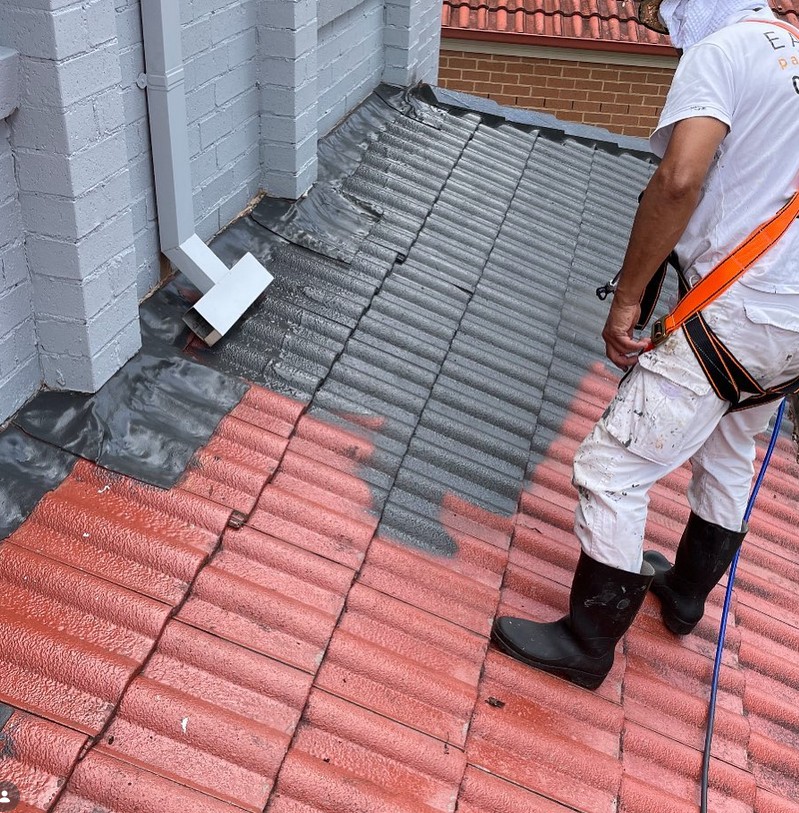
Some tile roofs may require only the repointing of the ridges, while others may show signs of faded tiles, moss and lichen growth, porous tiles that absorb moisture, or outdated coatings. For these roofs, repointing is just one aspect of a thorough roof restoration. During a complete restoration, we clean the roof, treat biological growth, repair mortar and cracked tiles as necessary, seal the tiles, and apply a flexible membrane topcoat specifically designed for roof tiles. The mortar and tile repairs are completed prior to sealing and coating, ensuring the final finish is applied to a roof with intact ridges and no broken tiles.
If you are considering whether your roof requires repainting or a full restoration, our guide on the importance of hiring qualified painters for roof painting and restoration clarifies the distinctions between the two services and highlights common pitfalls.
Understanding the Factors That Affect the Cost of Roof Repointing
The cost associated with roof repointing varies depending on the specific roof being assessed, which is why we provide quotes following an inspection rather than upfront. Several factors influence the final quote:
- The total length of ridge and hip capping that requires repointing.
- The condition of the bedding—whether it is intact or if the ridge caps also need rebedding.
- The number of cracked or broken tiles that require replacement.
- The roof’s pitch, height, and accessibility.
- Whether the repointing is performed independently or as part of a comprehensive roof restoration that includes cleaning, sealing, and coating.
When you contact us, Nasser typically visits the property personally. He evaluates the condition of the ridges, bedding, and tiles, measures the necessary work, and then provides a detailed, itemised quote outlining the tasks involved.
Frequently Asked Questions About Roof Repointing
What Is the Difference Between Repointing and Rebedding a Roof?
Rebedding involves replacing the bedding layer that supports the ridge cap, while repointing focuses on renewing the pointing, the finishing layer applied over the bedding at the edges of the ridge cap. A roof with sound bedding may only require repointing, while a roof with damaged or loose bedding will necessitate rebedding prior to applying new pointing.
Can You Repoint a Tile Roof Without Rebedding?
Yes, if the underlying bedding is in good condition. The Selleys data sheet for its flexible pointing specifies that the bedding must be free of holes and defects before the pointing is applied. If the inspection reveals that the bedding is compromised, the affected ridge caps will first require rebedding.
Is Flexible Pointing Superior to Cement Mortar for Roof Repointing?
Monier describes traditional cement mortar pointing as inherently brittle, while its flexible pointing retains sufficient flexibility after curing to accommodate roof movement without cracking or breaking away. Both Monier and Selleys classify their flexible pointing compounds as adhesive mechanical fasteners for hip and ridge tiles.
Do Both Concrete and Terracotta Tile Roofs Require Repointing?
Both concrete and terracotta tile roofs feature ridge and hip capping finished with pointing, making either type susceptible to the need for repointing when the pointing fails. Monier produces its flexible pointing for use with both concrete and terracotta hip and ridge tiles, available in colours that match each type.
Can Roof Repointing Be Completed in Cold or Wet Weather?
Pointing compounds have specific temperature and weather conditions for application. Selleys advises against using its flexible pointing when the surface temperature is 10°C or lower or when rain is expected within two hours. Curing takes longer in cold and wet conditions, so repointing should ideally be scheduled for a dry day.
Arrange Your Roof Repointing Inspection with Easy Cut Painting Services
If the pointing on your ridge capping has cracked, crumbled, or formed gaps, contact Nasser at Easy Cut Painting Services on 0416 283 735, or submit an enquiry through our contact page.
Share your observations regarding the roof and its location, and we will arrange a time to inspect the ridges, bedding, and tiles. Based in Castle Hill, we service homes across the Hills District and the greater Sydney area.
After our inspection, we will discuss whether your roof requires repointing, rebedding, tile replacement, or a complete restoration, and provide you with a detailed itemised quote for the necessary work.
Sources: Monier, Roof tile accessories, Monier Flexible Pointing (monier.com.au/roof-tiles/accessories, retrieved 2026-10-30). Selleys, Point Works Gen II Technical Data Sheet, version 1.2 (selleys.com.au, retrieved 2026-10-30).
Original Article First Published At: Comprehensive Guide to Roof Repointing: What It Is, When Your Tile Roof Needs It, and the Process Involved
The Article: Roof Repointing: When and How to Care for Your Tile Roof first appeared on https://writebuff.com
The post Roof Repointing: Essential Tips for Tile Roof Maintenance appeared first on Limits Of Strategy.
The Article Roof Repointing Tips for Effective Tile Roof Care found first on https://electroquench.com