Exploring High-Cost Credit Options in the United Kingdom
Identifying the Essential Characteristics of High-Cost Credit Products

High-cost credit in the United Kingdom includes payday loans, doorstep loans, and specific credit cards. These financial products are notorious for their steep interest rates, which can trap borrowers in a continuous cycle of debt. The conditions associated with these loans can be complex, often hiding fees and charges that may not be immediately visible. It is essential for potential borrowers to examine these terms carefully before agreeing to any loan. Understanding the overall cost of borrowing, inclusive of any extra charges, is vital to avoid financial distress.
Repayment terms for these loans can vary significantly, with some lenders demanding repayment within a very short period. This situation often drives borrowers to take out additional loans to manage existing debts. Many individuals may not grasp the implications of high-cost credit until it is too late, underscoring the importance of being educated about the associated risks. By recognising these features, borrowers can make informed choices regarding their financial futures.
The emotional impact of high-cost credit is considerable. The stress and anxiety that accompany managing such debts can greatly affect an individual’s mental health. By understanding the characteristics of high-cost credit products, borrowers can better safeguard themselves and seek alternatives that enhance their financial security.
Evaluating Common Lenders and Their Typical Charges
A diverse range of lenders in the United Kingdom provides high-cost credit products, each with unique fee structures. For example, payday loan providers often charge fees that can lead to an annual percentage rate (APR) exceeding 1,000%. This stark difference from conventional bank loans highlights the necessity of comparing options before borrowing. Lenders may also impose additional charges for late payments or missed instalments, further intensifying the financial burden on borrowers.
High-interest credit cards also belong to this category. Many users may not realise that using these cards for everyday purchases can result in significant debt if not paid off in full each month. The accumulating interest can escalate quickly, making it difficult for borrowers to regain control of their finances. It is crucial to thoroughly assess the APR and any applicable fees before committing to a credit product.
To successfully navigate this landscape, potential borrowers should consider using comparison websites that provide insights into various lenders and their offerings. This approach allows individuals to make informed decisions based on their financial situations, ensuring they select the most appropriate and financially viable credit options available.
Understanding Eligibility Criteria for Different Credit Types
Eligibility criteria for high-cost credit products in the United Kingdom can be stringent, often necessitating that borrowers meet specific income and <a href="https://www.debtconsolidationloans.co.uk/how-to-improve-your-credit-score-quickly/">credit score</a> thresholds. Lenders typically assess these factors to evaluate the risk associated with lending money. For instance, payday loan providers may require proof of income and a recent bank statement, while credit card companies usually scrutinise credit scores for approval. This can create obstacles for individuals with limited financial histories or poor credit ratings, making it challenging to secure affordable credit.
UK regulations dictate that lenders conduct thorough assessments to ensure responsible lending practices. Borrowers who fail to meet the necessary criteria may find themselves excluded from certain credit options, compelling them to seek higher-cost alternatives. This predicament can lead to a debt cycle that is hard to escape.
To increase the likelihood of obtaining more favourable credit options, individuals should aim to enhance their credit profiles. This may involve reducing existing debts, ensuring bills are paid on time, and reviewing credit reports for inaccuracies. By taking proactive measures, borrowers can enhance their attractiveness to lenders, opening doors to better financial products.
Expert Advice on Shifting from High-Cost Credit to Affordable Alternatives
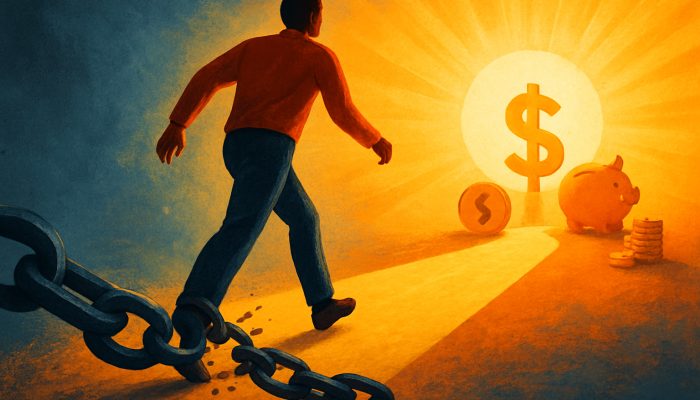
Highlighting Real-Life Success Stories of Credit Transitions
Financial advisors in the United Kingdom often recommend a thorough assessment of personal budgets before transitioning from high-cost credit to lower-rate products. For instance, an individual who previously relied on payday loans might find that consolidating their debts into a personal loan with a lower interest rate can significantly alleviate their financial strain. This strategy not only reduces monthly payments but also clarifies the repayment timeline, enabling better budgeting.
Numerous success stories illustrate effective transitions. One notable case involved a young professional who, after evaluating their financial situation, shifted from a high-cost credit card to a credit union loan. This change led to lower monthly repayments and a considerable reduction in interest rates, allowing the borrower to channel funds towards savings and future investments.
Seeking guidance from financial experts can provide customised strategies for facilitating this transition. Many professionals advocate utilising budgeting tools and applications to monitor expenses and identify areas for potential savings. This proactive approach empowers borrowers to take control of their finances and make informed decisions regarding their credit options.
Implementing Practical Strategies for Negotiating Better Rates
Negotiating improved credit rates is a vital skill for borrowers looking to replace high-cost credit with more affordable options. One effective tactic is to gather documentation of income and financial stability, which can bolster a borrower’s position during negotiations with lenders. Demonstrating a consistent income stream and a commitment to timely repayments can significantly increase the chances of obtaining better terms.
Engaging with authorised lenders in the United Kingdom is crucial. Borrowers should not hesitate to reach out to multiple institutions, including banks and credit unions, to explore their options. Many lenders are open to negotiating terms, particularly when they perceive potential in the borrower’s financial profile. By leveraging competitive offers from various lenders, borrowers can create an advantageous negotiating environment.
Being prepared to ask specific questions about fees, interest rates, and repayment terms can also lead to improved outcomes. Borrowers should feel confident in requesting clarification on any ambiguous aspects of the agreement. This proactive mindset not only empowers borrowers but also strengthens their confidence in their financial decisions, ensuring they secure the best rates available.
Providing Expert Guidance to Avoid Common Transition Pitfalls

Transitioning from high-cost credit to more affordable options can pose various challenges, making it essential for borrowers to be aware of common pitfalls. One significant risk is the existence of hidden fees within credit agreements. Many borrowers may overlook these charges, which can include setup fees, early repayment penalties, or administrative costs. It is crucial to examine the fine print and seek clarification from lenders regarding any potential fees that may apply.
Another frequent error is failing to evaluate the total cost of borrowing comprehensively. While a lower interest rate may seem appealing, borrowers must consider the overall repayment amount over the loan’s lifetime. This entails calculating not only monthly payments but also the total interest incurred throughout the loan term. By understanding the complete financial picture, borrowers can make informed choices that align with their long-term financial goals.
It is also vital to resist the urge to accrue new debt during the transition. Many individuals may feel compelled to utilise credit cards or loans to manage immediate expenses during this time. Such actions can lead to accumulating further debt, undermining the advantages of switching to cheaper credit options. By maintaining discipline and prioritising repayment, individuals can navigate this transition successfully and achieve financial stability.
Exploring the Benefits of Peer-to-Peer Lending Platforms
Peer-to-peer (P2P) lending platforms provide an innovative alternative for borrowers seeking to replace high-cost credit with more affordable solutions. These platforms connect borrowers directly with individual investors, frequently resulting in lower interest rates compared to traditional lenders. Financial experts in the United Kingdom suggest evaluating the regulatory framework surrounding these platforms to ensure compliance with relevant laws and adequate borrower protections.
A significant advantage of P2P lending is the flexibility it offers. Borrowers often have the opportunity to negotiate terms that suit their financial circumstances, including repayment schedules and loan amounts. This tailored approach can lead to more sustainable borrowing solutions, enabling individuals to manage their finances effectively. Many P2P platforms provide transparency regarding fees and interest rates, empowering borrowers to make well-informed decisions.
It is essential for borrowers to conduct thorough research before transferring existing debts to a P2P platform. Understanding the associated risks, such as potential interest rate fluctuations or changes in platform policies, is critical. By carefully evaluating these factors, borrowers can ensure they make secure and cost-effective choices when considering peer-to-peer lending as a viable alternative to high-cost credit.
What Are the Consequences of High-Cost Credit on Borrowers?
Investigating the Impact on Household Budgets Across Various Regions
High-cost credit can have a profound effect on household budgets throughout the United Kingdom. Families often find that a significant portion of their monthly income is consumed by interest payments alone, leaving limited disposable income for crucial expenditures like groceries, utilities, and childcare. This financial strain can lead to difficult choices, forcing families to cut back on essentials or resort to further borrowing to meet their needs.
Regional disparities also influence how high-cost credit affects households. In urban areas, where living costs are typically higher, families may be more vulnerable to the drawbacks of expensive borrowing. In contrast, rural communities may encounter unique challenges, such as limited access to affordable credit options. Understanding these regional variations is vital for policymakers and financial advisors striving to address issues related to high-cost credit and its impact on at-risk populations.
The long-term consequences of relying on high-cost credit can be severe. Households may struggle to build savings or invest in their futures, perpetuating a cycle of financial instability. By examining these effects, it becomes evident that addressing high-cost credit is not merely an individual concern but a societal issue that requires collective action to promote financial education and access to affordable borrowing options.
What Are the Long-Term Repercussions of Persistent Debt?
The long-term repercussions of ongoing debt can be detrimental for individuals in the United Kingdom. Continued reliance on high-cost credit frequently results in damaged credit histories, severely limiting future financial opportunities. A poor credit score can obstruct access to essential services such as mortgages, rental agreements, and even certain employment opportunities. This creates a vicious cycle, making it increasingly challenging for individuals to escape debt.
The psychological burden of carrying ongoing debt can also be substantial. Many individuals experience heightened levels of stress, anxiety, and depression as they navigate financial uncertainty. This emotional strain can affect personal relationships and diminish overall quality of life, further complicating efforts to manage finances effectively. Addressing these mental health aspects is crucial for those striving to break the cycle of high-cost credit.
The economic implications of widespread persistent debt can extend beyond individual households. When significant portions of the population are entrapped in expensive borrowing, it can lead to reduced consumer spending and economic stagnation. This underscores the necessity of promoting financial literacy and access to affordable credit options, ultimately fostering a healthier economic environment for all.
What Support Services Are Available for Affected Individuals?
In the United Kingdom, various support services exist to assist individuals grappling with the challenges of high-cost credit. Debt advice charities, such as StepChange and Citizens Advice, offer complimentary guidance and resources to help individuals manage and reduce their debts effectively. These organisations provide personalised advice tailored to individual circumstances, empowering borrowers to take control of their financial situations.
Numerous local councils and community organisations also run workshops and outreach programmes designed to educate residents about financial management and debt reduction strategies. These initiatives often focus on enhancing financial literacy, helping individuals understand the implications of high-cost credit and discover alternative borrowing options. By equipping individuals with the knowledge and skills to navigate their financial challenges, these services play a crucial role in fostering long-term stability.
Some financial institutions offer debt consolidation services, allowing borrowers to merge multiple high-interest debts into a single, more manageable payment. This can significantly lower monthly outgoings and streamline the repayment process. By leveraging these support services, individuals can find pathways to financial recovery and regain control over their financial futures.
Evidence-Based Advantages of Replacing High-Cost Credit with Lower-Cost Alternatives
Emphasising Savings Achieved Through Lower Interest Products
Research focused on the United Kingdom market consistently shows that transitioning from high-cost credit to lower-interest products can yield significant savings. For instance, individuals who switch from payday loans to personal loans can save hundreds of pounds annually in interest payments alone. These savings can be redirected towards essential living expenses, savings accounts, or investments, ultimately fostering greater financial stability.
Lower-interest products often feature clearer terms and conditions, enabling borrowers to better comprehend their financial commitments. This clarity can foster a sense of confidence and control over one’s finances, facilitating adherence to budgets and repayment plans. By eliminating the uncertainty associated with high-cost credit, individuals can make informed choices that align with their long-term financial goals.
The emotional benefits of transitioning to more affordable credit options should not be underestimated. Many borrowers report feelings of relief and empowerment after replacing high-cost credit with cheaper alternatives. This transition can lead to improved mental wellbeing, as individuals experience reduced stress and anxiety regarding their financial situations. Overall, the research highlights the significance of exploring lower-cost credit options as a means of achieving both financial and emotional wellbeing.
Outlining Key Benefits for Borrowers
Transitioning to more affordable credit options provides several key benefits for borrowers, including:
- Substantial savings on interest payments
- Improved mental wellbeing due to reduced financial stress
- Strengthened credit scores over time
- Increased financial flexibility for unforeseen expenses
- Clearer repayment terms and conditions
- Access to additional financial products and services
- Enhanced ability to build savings for future aspirations
These advantages illustrate the transformative potential of replacing high-cost credit with more cost-effective options. By making this transition, individuals can not only experience financial relief but also gain a renewed sense of agency over their financial futures.
Demonstrating Improved Access to Mainstream Banking Services
Research indicates that individuals in the United Kingdom who successfully transition away from high-cost credit often find themselves qualifying for better banking services. This can encompass access to more advantageous accounts, overdrafts, and loans from traditional financial institutions. As borrowers exhibit responsible financial behaviour by moving away from high-cost credit, they become more attractive to lenders, leading to enhanced financial opportunities.
Accessing mainstream banking services can provide individuals with greater stability and security. Traditional banks typically offer a wider array of financial products, including savings accounts with competitive interest rates and investment options. By establishing a positive banking relationship, individuals can create a solid foundation for their financial futures, distancing themselves from the cycle of high-cost credit.
Increased access to mainstream banking can also contribute to financial inclusion. Many individuals from disadvantaged backgrounds may have previously relied on high-cost credit due to a lack of affordable alternatives. By replacing these options with cheaper credit, borrowers can integrate into the formal financial system, ultimately fostering economic empowerment and resilience.
What Are the Major Alternatives to High-Cost Credit?
Exploring the Benefits of Credit Union Membership
Credit unions in the United Kingdom present a viable alternative to high-cost credit, granting members access to loans at significantly lower rates. Unlike traditional banks, credit unions operate on a not-for-profit basis, meaning any surplus earnings are returned to members in the form of reduced interest rates and improved services. This model nurtures a sense of community and promotes responsible borrowing practices among members.
Membership in a credit union typically requires meeting basic saving criteria, which can vary by institution. By depositing a small amount into a savings account, individuals can gain access to affordable loans and other financial products. This approach not only encourages saving habits but also empowers members to take control of their financial futures.
Credit unions often provide personalised financial advice and support, assisting members in navigating their borrowing options effectively. This guidance can be particularly beneficial for individuals who may have previously relied on high-cost credit, as it equips them with the knowledge and resources needed to make informed decisions. By exploring credit union membership, borrowers can discover a sustainable and ethical alternative to high-cost credit.
Comparing Personal Loans from Authorised Banks
Personal loans from authorised banks represent another alternative to high-cost credit, offering structured repayment plans that help borrowers avoid the volatility associated with short-term high-cost finance. These loans generally feature fixed interest rates, enabling borrowers to budget more effectively and plan for future expenses. This predictability can be a significant advantage for individuals seeking to regain control over their financial situations.
When comparing personal loans, it is crucial for borrowers to consider factors such as interest rates, repayment terms, and any associated fees. Many banks in the United Kingdom provide online tools that allow potential borrowers to assess their eligibility and compare loan offers side by side. This transparency enables individuals to make informed choices based on their financial circumstances.
Personal loans from authorised banks often come with additional benefits, such as the option to make early repayments without incurring penalties. This flexibility can be particularly advantageous for borrowers seeking to pay off their debts sooner and minimise overall interest costs. By exploring personal loans from reputable banks, individuals can find a more manageable and cost-effective alternative to high-cost credit.
Evaluating Government-Backed Support Schemes
The United Kingdom government offers various support schemes aimed at assisting low-income households with affordable borrowing options. These initiatives are designed to promote financial inclusion and provide access to essential services for those who may otherwise be excluded from traditional lending. One notable programme is the Budgeting Loan scheme, which offers interest-free loans to help individuals cover essential expenses during financial hardship.
The Help to Save scheme encourages low-income individuals to save money by providing a government bonus on savings accrued over a specified period. This initiative not only promotes saving habits but also helps individuals build a financial cushion, reducing reliance on high-cost credit options. By equipping low-income households with the tools and resources needed to manage their finances, these government-backed schemes play a vital role in fostering economic stability.
Local councils frequently provide additional support services, such as financial education workshops and budgeting advice. These initiatives empower individuals to develop essential money management skills, enabling them to make informed decisions about borrowing and spending. By evaluating and utilising these government-backed support schemes, individuals can uncover pathways to affordable credit and improved financial wellbeing.
Effective Strategies for Transitioning from High-Cost Credit to Cheaper Options
Highlighting Real-World Success Stories from Effective Case Studies
Numerous case studies illustrate the positive outcomes achieved by individuals in the United Kingdom who have successfully consolidated their debts through regulated services. For instance, a family struggling with multiple high-cost loans managed to collaborate with a debt management company to establish a sustainable repayment plan. This strategy not only simplified their finances but also dramatically reduced their overall interest payments, allowing them to regain control over their budget.
Another example features a young couple who transitioned from payday loans to a credit union loan. By consolidating their debts into a single, lower-interest loan, they were able to decrease their monthly payments and establish a clear repayment timeline. This change not only alleviated their financial stress but also enabled them to begin saving for future goals, such as homeownership.
These real-life examples highlight the importance of seeking professional guidance when navigating the transition from high-cost credit to cheaper alternatives. By partnering with regulated services that focus on sustainable repayment plans, individuals can achieve positive financial outcomes and build a stronger foundation for their financial futures.
Implementing Actionable Steps for Building Emergency Savings
Establishing emergency savings is a crucial strategy for reducing future reliance on high-cost credit sources. Financial experts recommend starting small by regularly setting aside amounts in dedicated savings accounts. This approach allows individuals to create a financial buffer that can be accessed during unexpected expenses, minimising the necessity for costly borrowing.
One effective method for building emergency savings is the “pay yourself first” strategy. This involves automatically transferring a portion of each paycheck into a savings account before allocating funds for other expenses. By prioritising savings in this manner, individuals can gradually increase their emergency funds without feeling the financial strain in their daily budgets.
Utilising budgeting tools and applications can assist individuals in tracking their progress towards savings goals. By monitoring spending patterns and identifying areas where reductions can be made, individuals can redirect those funds towards their emergency savings. Over time, these small contributions can accumulate into a substantial safety net, providing peace of mind and reducing reliance on high-cost credit options.
Offering Expert Analysis on Regularly Reviewing Credit Reports
Regularly monitoring credit reports is an essential practice for individuals aiming to transition from high-cost credit to cheaper options. By closely examining credit files, borrowers can keep track of their progress and spot opportunities for improvement. Many credit reporting agencies in the United Kingdom offer free access to credit reports, enabling individuals to review their financial status without incurring costs.
One significant advantage of monitoring credit reports is the ability to detect inaccuracies or fraudulent activities. Errors on credit reports can negatively affect credit scores, making it more difficult to secure affordable credit. By routinely reviewing their reports, individuals can dispute any inaccuracies and ensure that their credit profiles accurately reflect their financial behaviour.
Tracking credit scores over time can provide valuable insights into the effectiveness of financial strategies. Individuals can assess how their efforts to reduce debt and improve financial habits are reflected in their credit scores. This ongoing analysis not only helps borrowers maintain accountability but also reinforces positive financial behaviours, ultimately paving the way for access to better credit options in the future.
Highlighting the Benefits of Switching to Credit Unions
Switching to credit unions has proven beneficial for many residents across the United Kingdom. These institutions offer lower interest rates on loans compared to high-cost credit providers, allowing members to make more manageable repayments. This transition can significantly alleviate the financial burden on individuals and families, enabling them to allocate funds toward savings and essential expenses.
Credit unions frequently prioritise community involvement and ethical lending practices. Members benefit from personalised financial advice and support, fostering a sense of belonging and empowerment. This community-oriented approach can enhance financial literacy among members, equipping them with the knowledge needed to make informed borrowing decisions.
Many credit unions also provide access to additional financial products, such as savings accounts and insurance options. This comprehensive approach to financial services allows members to build a more secure financial future while avoiding the pitfalls associated with high-cost credit. By switching to credit unions, individuals can achieve not only financial relief but also a stronger sense of community and support.
Examining the Role of Debt Management Plans
Debt management plans (DMPs) play a vital role in assisting individuals in consolidating multiple debts into a single, manageable monthly payment. These plans are typically arranged through regulated debt management companies that negotiate with creditors on behalf of the borrower. By securing reduced interest rates and extended repayment terms, individuals can alleviate the pressure of high-cost credit and work towards financial stability.
A significant advantage of DMPs is the structured repayment approach they provide. Borrowers can enjoy the simplicity of making one monthly payment instead of juggling multiple debts, reducing the likelihood of missed payments and associated penalties. This streamlined process can offer peace of mind and enable individuals to focus on rebuilding their financial health.
It is crucial for borrowers to select reputable debt management companies that prioritise ethical practices. Conducting thorough research and seeking recommendations can help individuals find trustworthy providers. By utilising the support of a DMP, borrowers can take proactive steps towards replacing high-cost credit with more manageable repayment solutions, ultimately paving the way for a more secure financial future.
How Can Credit Unions Promote Affordable Borrowing?
Understanding Membership Requirements and Processes
Joining a credit union in the United Kingdom generally involves a straightforward membership process, often requiring a small initial deposit and proof of community affiliation. Most credit unions operate locally, meaning that individuals must reside or work in a specific area to qualify for membership. This community focus fosters a sense of belonging and encourages responsible borrowing practices among members.
Once membership is established, individuals gain access to a variety of financial products, including loans at lower interest rates compared to traditional banks. Credit unions are known for their ethical lending practices, prioritising the financial wellbeing of their members over profit. This approach allows individuals to borrow responsibly and avoid the pitfalls associated with high-cost credit.
Many credit unions also provide educational resources and support to assist members in navigating their financial journeys. Workshops and seminars on budgeting, saving, and debt management are often available, empowering individuals to develop essential money management skills. By understanding the membership requirements and processes, individuals can unlock the benefits of credit unions and enhance their financial futures.
What Advantages Do Members Typically Experience?
Members of credit unions in the United Kingdom frequently enjoy a range of benefits that set them apart from traditional banking institutions. One of the most notable advantages is access to lower interest rates on loans, which can lead to significant savings over time. This financial relief enables members to make more manageable repayments and reduces the stress associated with high-cost credit.
Credit unions often provide personalised financial advice tailored to individual needs. This support can be invaluable for members looking to enhance their financial literacy and make informed decisions about borrowing and saving. By fostering a relationship built on trust and understanding, credit unions empower members to take control of their financial futures.
Many credit unions offer additional services, such as savings accounts with competitive interest rates and insurance products. This comprehensive approach to financial services allows members to build a more secure financial future while steering clear of the pitfalls of high-cost credit. Overall, the benefits of credit union membership extend beyond financial savings, promoting a sense of community and support among members.
Investigating Collaborations with Local Advice Organisations
Credit unions frequently collaborate with local advice organisations and charities to provide workshops and educational resources that encourage sustainable borrowing habits. These partnerships aim to enhance financial literacy within communities, helping individuals understand the implications of high-cost credit and explore alternative borrowing options. By working together, credit unions and advice organisations create a supportive environment for individuals seeking to improve their financial wellbeing.
Workshops typically cover topics such as budgeting, saving, and debt management, providing practical tools and strategies that empower participants to take charge of their finances. These initiatives benefit credit union members and extend to the wider community, fostering a culture of financial education and support. By equipping individuals with the knowledge and skills to navigate their financial challenges, these partnerships play a crucial role in promoting economic stability.
Credit unions may offer referral services to local advice organisations, ensuring that members have access to comprehensive support during financial difficulties. This holistic approach to financial wellbeing reinforces the importance of community and collaboration in addressing the challenges posed by high-cost credit. By exploring these partnerships, credit unions can enhance their impact and help individuals build a more secure financial future.
Comparing Credit Union Loans with High-Street Lenders
When comparing credit union loans with those from high-street lenders, it becomes evident that credit unions typically offer more favourable terms and conditions. Credit unions generally charge lower interest rates, enabling members to borrow affordably while avoiding the exploitative practices associated with high-cost credit providers. This difference can significantly reduce the financial strain on borrowers, allowing them to make manageable repayments.
Credit unions are renowned for their personalised approach to lending. Unlike high-street lenders, who may prioritise profit over customer wellbeing, credit unions focus on serving their members. This means that individuals can often negotiate terms that suit their financial situations, including repayment schedules and loan amounts. This flexibility can lead to more sustainable borrowing solutions that promote long-term financial health.
Credit unions also foster a sense of community and support that is often lacking in traditional banking environments. Members benefit from ethical lending practices and personalised financial advice, cultivating a culture of responsible borrowing. By comparing credit union loans with those from high-street lenders, individuals can clearly see the advantages of choosing credit unions as a viable alternative to high-cost credit.
Completing Your Transition to More Affordable Credit Solutions
Carefully Reviewing Contracts Before Signing Any Agreements
Before finalising agreements with lenders, it is essential for borrowers to scrutinise contracts meticulously. Understanding the terms and conditions outlined in the agreement can help individuals avoid future complications and ensure they are fully aware of their responsibilities. This includes examining interest rates, repayment schedules, and any associated fees that may arise during the loan term.
Borrowers should feel empowered to ask questions or seek clarification on any unclear elements of the contract. Engaging in open dialogue with lenders fosters a sense of confidence and understanding, ultimately leading to better financial decisions. By taking the time to thoroughly review contracts, individuals can protect themselves against potential pitfalls associated with high-cost credit.
It is also advisable to compare multiple offers before committing to a lender. By exploring various options, borrowers can identify the most advantageous terms and select a solution that aligns with their financial objectives. This thorough approach to reviewing contracts can significantly enhance the chances of securing a more affordable and sustainable credit solution.
Highlighting Key Benefits for Borrowers
Finalising a switch to more affordable credit solutions can yield numerous benefits for borrowers, including:
- Accelerated debt clearance and reduced overall costs
- Lower interest rates resulting in substantial savings
- Enhanced ability to save for future goals
- Improved financial stability and peace of mind
- Clearer repayment terms and conditions
- Access to additional financial products and services
- Stronger credit scores over time
By recognising and embracing these benefits, individuals can achieve greater financial wellbeing and move away from the burdens associated with high-cost credit.
Monitoring Progress After Completing the Transition
After successfully transitioning to cheaper credit solutions, it is vital for borrowers to regularly monitor their progress. Keeping track of repayment status and financial health can help individuals maintain momentum and reinforce positive habits developed during the switch. By carefully tracking budgets and expenses, borrowers can ensure they remain on track to meet their financial goals.
Setting specific milestones can also provide motivation and a sense of accomplishment. For instance, individuals can aim to pay off a certain percentage of their debt within a designated timeframe. Celebrating these achievements, regardless of size, can foster a positive mindset and encourage ongoing commitment to financial wellbeing.
Maintaining open communication with lenders can be beneficial in sustaining a healthy financial relationship. By staying engaged and informed, borrowers can address any concerns or questions that may arise during the repayment process. This proactive approach not only aids in tracking progress but also reinforces the importance of responsible borrowing practices.
Confirming Activation of New Credit Facilities
Once borrowers have secured more affordable options from United Kingdom providers, it is essential to confirm that the new credit facilities are fully operational. This includes verifying that funds or credit limits are accessible before finalising any old arrangements. Ensuring a seamless financial transition without disruptions is crucial for maintaining financial stability and avoiding unnecessary complications.
Borrowers should maintain thorough records of all agreements and communications with lenders. This documentation can serve as a valuable resource in the event of discrepancies or issues that may arise in the future. By staying organised and informed, individuals can navigate their financial journeys with confidence and clarity.
Establishing reminders for upcoming payments is also advisable to ensure timely repayments on new credit facilities. Creating a routine can help individuals manage their finances effectively and avoid the pitfalls associated with high-cost credit. By confirming the activation of new credit facilities and maintaining a proactive approach, borrowers can successfully transition to more affordable borrowing options.
Updating Personal Financial Records After the Switch
Keeping accurate records of all new agreements with United Kingdom lenders is crucial for effectively tracking interest savings and repayment schedules. By updating personal financial records following the switch, individuals can gain valuable insights into their financial progress and make informed decisions moving forward. This practice fosters accountability and enables borrowers to identify areas for improvement in their financial habits.
Creating a budget that reflects the new financial landscape can help individuals allocate funds more effectively. By adjusting spending habits and prioritising savings, borrowers can build a solid foundation for future financial planning and stability. This proactive approach can contribute to long-term financial wellbeing and diminish reliance on high-cost credit options.
Regularly reviewing financial records can also assist individuals in staying on track with their goals and assessing their overall financial health. By remaining engaged and informed, borrowers can navigate their financial journeys with confidence, ultimately achieving greater financial stability and independence.
Frequently Asked Questions
What is high-cost credit?
High-cost credit refers to financial products, such as payday loans and certain credit cards, that carry significantly high interest rates and fees, often leading to a cycle of debt for borrowers.
How can I identify high-cost credit options?
You can identify high-cost credit options by comparing annual percentage rates (APRs), fees, and repayment terms across different lenders. Look for products with APRs exceeding 1,000% as a warning sign.
What are the risks associated with high-cost credit?
The risks include accumulating debt due to high interest rates, damaged credit scores, and financial stress. Borrowers may find themselves trapped in a cycle of borrowing to repay existing debts.
How can I replace high-cost credit with cheaper options?
To replace high-cost credit, assess your financial situation, explore alternatives like credit unions or personal loans, and negotiate better rates with lenders.
What are the benefits of using credit unions?
Credit unions offer lower interest rates, personalised financial advice, and a community-focused approach to lending, making them a viable alternative to high-cost credit providers.
Can I negotiate better rates on loans?
Yes, by gathering proof of income and demonstrating financial stability, you can negotiate better rates with lenders. Don’t hesitate to approach multiple lenders for competitive offers.
What should I look for in credit agreements?
Examine interest rates, repayment terms, fees, and any potential penalties for missed payments. Understanding these details can help you avoid future complications.
Are there government schemes to help with borrowing?
Yes, the UK government offers various support schemes, such as the Budgeting Loan and Help to Save, aimed at assisting low-income households with affordable borrowing options.
How often should I check my credit report?
It is advisable to check your credit report at least once a year to monitor your financial health, spot inaccuracies, and track your progress in improving your credit score.
What are debt management plans?
Debt management plans (DMPs) are structured repayment agreements that allow individuals to consolidate multiple debts into a single, affordable monthly payment, often negotiated with creditors to reduce interest rates.
Visit our Facebook profile!
This Article Was First Found On: https://www.debtconsolidationloans.co.uk
The Article Replacing High-Cost Credit With Affordable Alternatives found first on https://electroquench.com