
In every household, mattresses rank among the most frequently used yet often neglected household items. Even when sheets are freshly laundered, mattresses can become a repository for a myriad of contaminants over time, such as sweat, body oils, dead skin cells, dirt, bacteria, unpleasant odours, and other minute particles. This gradual buildup can adversely affect sleep quality, personal hygiene, and overall health. Therefore, maintaining a clean mattress is vital for ensuring restorative sleep and promoting overall well-being.
Many individuals find themselves uncertain about how often they should clean their mattresses. This comprehensive guide presents a well-researched, practical approach to keeping your mattress fresh and healthy throughout the year, ultimately enhancing your quality of sleep.

Understanding Why Mattresses Accumulate Dirt More Rapidly Than Anticipated
How Do Dust Mites Contribute to Mattress Contamination?
Dust mites thrive on microscopic flakes of skin that humans shed while sleeping. The warm and humid conditions found in mattress fibres create a perfect breeding ground for these tiny creatures. Their droppings and castings can initiate health problems such as asthma, eczema, hay fever, and various other allergies. Addressing the issue of dust mites is essential for maintaining a healthy sleeping environment, ensuring your mattress is free from these harmful invaders.
What Impact Do Bodily Fluids Have on Mattress Hygiene?
Statistics indicate that an adult can lose up to 200ml of sweat each night. This perspiration, coupled with skin oils and moisture, seeps into the mattress, leading to unpleasant odours and creating an ideal breeding ground for bacteria. Regular cleaning is crucial to combat these issues and maintain a fresh mattress.
How Does Pet Contamination Represent an Overlooked Source of Mattress Dirt?
If your pets share your bed from time to time, your mattress is likely to collect:
- pet hair and dander
- saliva
- outdoor dirt
- sweat
- accidental urine
This contributes to allergens, unpleasant odours, and increases the necessity for routine deep cleaning. Acknowledging the impact of pet contamination is essential for maintaining a clean and healthy sleeping environment.
Determining the Best Frequency for Mattress Cleaning
Professional Deep Cleaning Recommendation: Every 6–12 Months
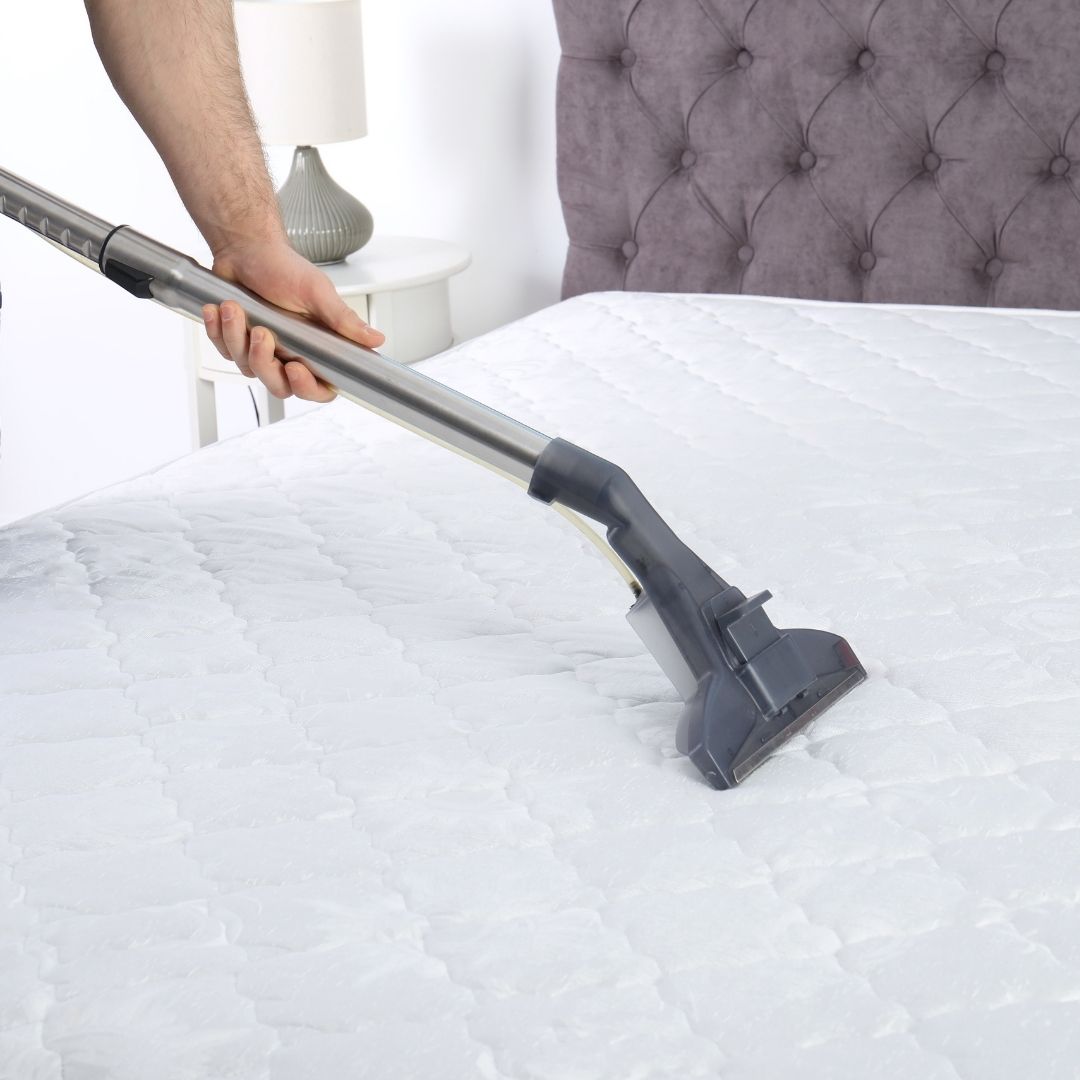
For most households, scheduling a professional mattress cleaning once or twice a year is generally adequate. This thorough approach effectively removes dust mites, bacteria, unpleasant odours, and embedded contaminants that standard vacuuming cannot reach, thus ensuring a healthier sleep environment.
Regular Maintenance Strategy: Vacuuming Every 3–4 Months
To promote optimal mattress hygiene, it is advisable to vacuum your mattress using a HEPA-filter vacuum every few months. This straightforward yet cost-effective task significantly decreases dust mites, skin flakes, and allergens, acting as an interim solution between professional cleaning sessions and ensuring a fresher mattress overall.
High-Hygiene Households: Consider Vacuuming Every 1–2 Months
For households with specific needs, more frequent vacuuming is recommended. This includes:
- families with young children
- individuals suffering from allergies or asthma
- homes where pets frequently sleep on the bed
- hot or humid climates
- those who consume food or beverages in bed
- Airbnb and short-stay accommodation providers
In these scenarios, vacuuming becomes an essential part of regular maintenance, supplemented by professional deep cleaning once or twice a year.
How to Maintain Mattress Freshness Between Cleanings: Employ a Mattress Cleaner Spray
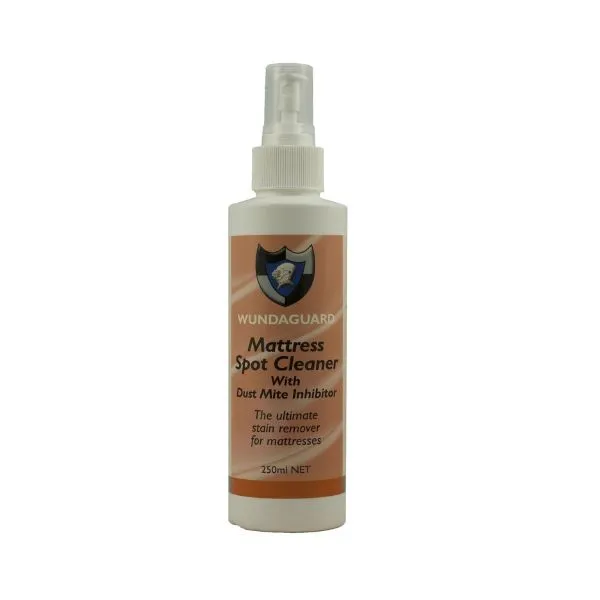
Utilising a specialised product like Wundaguard Mattress Cleaner can help manage odours, bacteria, and minor stains without saturating the mattress. It is particularly effective for:
- sweat marks
- surface odours
- light spills
- recent urine accidents
- general freshness
This product complements your regular vacuuming routine and assists in keeping your mattress fresher between professional cleaning appointments.
While awaiting your professional mattress cleaning service, using Wundaguard Mattress Cleaner is a practical approach to maintaining freshness, reducing bacteria, and controlling unpleasant odours.
What Steps Should You Take for Urine Accidents?
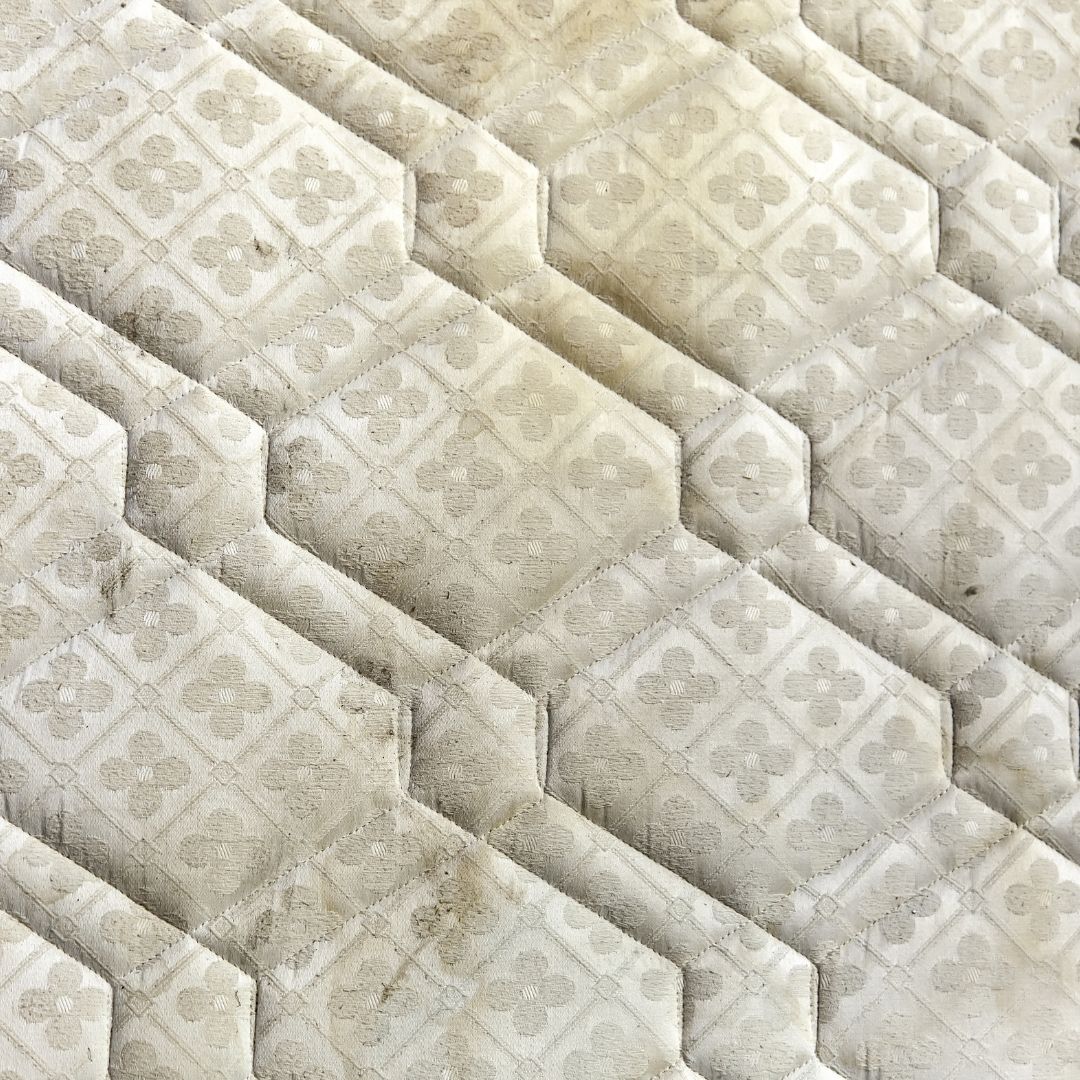
Urine accidents, whether due to children, pets, or medical conditions, present a common challenge and a significant reason for frequent mattress cleaning. Urine can quickly penetrate the fabric and padding, leaving behind odour-causing bacteria and unsightly yellow stains if not promptly addressed.
For fresh accidents, it is vital to blot the area rather than rub it. Applying Wundaguard Mattress Cleaner helps break down the compounds responsible for lingering smells and hygiene issues. Stains that have set in or aged may necessitate professional mattress cleaning, as dried urine crystals can bond tightly to mattress fibres, making removal difficult.
By engaging in regular cleaning practices and implementing early fabric protection, you can significantly mitigate the damage caused by future accidents, making them easier to resolve.
How Beneficial is It to Air Out Your Mattress?
Airing out your mattress is one of the simplest yet most effective methods for enhancing hygiene. By pulling back your bedding daily, you allow moisture to evaporate efficiently.
Airing out your mattress can significantly decrease:
- overall humidity levels
- the survival rate of dust mites
- the risk of mould development
- the accumulation of odours
Even dedicating just 30 minutes to this practice can yield noticeable improvements in mattress hygiene and longevity.
Is Leaving Your Bed Unmade a Wise Choice?
Surprisingly, allowing your bed to remain unmade for part of the morning can help prevent bed bugs and reduce dust mite activity. Bed bugs thrive in warm, dark, and stable environments. By leaving your bedding open, you encourage:
- increased air circulation
- heat dissipation
- drying of surfaces
- reduction of hiding spots
Incorporating this simple habit alongside regular mattress cleaning can significantly enhance sleep hygiene and comfort.
Comparing Mattress Cleaner Spray to Professional Deep Cleaning Services
Effective Spot Cleaning Techniques for Your Mattress
Utilise Wundaguard Mattress Cleaner to address:
- sweat marks
- light stains
- spills
- unpleasant odours
- fresh urine accidents
This product features Silver Plus antimicrobial technology, effectively neutralising bacteria and revitalising the mattress between professional cleaning sessions.
Comprehensive Deep Cleaning Solutions for Your Mattress
Engaging a professional mattress cleaning service effectively eliminates what regular vacuuming and surface sprays cannot address. A thorough deep clean targets:
- dust mites
- allergens
- bacteria
- dried sweat and body oils
- embedded dirt
- stubborn odours
- contaminants from pets, spills, and accidents
A proper professional clean resets your mattress to a healthier baseline, improving sleep hygiene, reducing allergens, and prolonging the lifespan of the internal padding and fabrics.
Important Considerations Regarding the Use of Steam Cleaning
Despite being marketed as a convenient option, steam cleaning should never be used on a mattress. The steam (or hot water extraction) process:
- leaves the mattress damp for extended periods, often for hours or days
- can promote mould growth within the padding
- may result in rusting of internal springs
- can compromise the integrity of comfort layers
- often voids manufacturer warranties
- utilises chemical detergents that may irritate skin or respiratory systems
As mattresses are not designed to withstand saturation, only dry or low-moisture mattress cleaning methods are safe and effective, ensuring the longevity of the mattress while enhancing its cleanliness.
Proven Strategies to Extend Mattress Freshness for Longer Periods
- Utilise a breathable mattress protector to shield against contaminants.
- Vacuum your mattress monthly using a HEPA-filter vacuum to minimise allergens.
- Airing out the mattress weekly by pulling back bedding is highly recommended.
- Promptly treat spills to prevent stains and unpleasant odours.
- Rotate your mattress every 3–6 months to ensure even wear.
- Avoid eating or drinking in bed whenever possible to reduce mess.
- Keep pets on washable blankets or bedding if they share your bed.
- Consider professional fabric protection to prevent liquids and contaminants from penetrating mattress fibres.
By adopting these straightforward habits, you significantly decrease the accumulation of moisture, allergens, and bacteria between professional cleaning sessions, fostering a healthier sleeping environment.

Exploring the Connection Between a Clean Mattress and Improved Sleep Quality
Regular mattress cleaning is more than just a hygienic practice; it is a crucial investment in your overall health and sleep quality. By integrating professional cleaning services, the use of Wundaguard Mattress Cleaner spray, and potential fabric protection strategies, you can ensure that your mattress remains fresh, odour-free, and minimises allergen exposure throughout the entire year.
Frequently Asked Questions About Mattress Cleaning
What is the Optimal Frequency for Cleaning My Mattress?
Most mattresses should ideally be cleaned every 3–6 months, depending on their usage. Households with children, pets, or allergy sufferers may benefit from cleaning every 2–3 months. Regular mattress cleaning is essential for eliminating dust mites, allergens, bacteria, and odours that accumulate over time.
Does Cleaning My Mattress Effectively Remove Dust Mites and Allergens?
Absolutely. Professional mattress cleaning significantly reduces dust mite populations and eliminates the allergens they leave behind, including droppings and shed skin. These irritants can trigger conditions like asthma, eczema, and hay fever, making regular cleaning especially crucial for sensitive sleepers.
Can Mattress Cleaning Successfully Remove Urine Stains and Odours?
Fresh urine accidents can often be effectively treated if cleaned promptly using the appropriate products, such as Wundaguard Mattress Cleaner. Older urine stains may require a professional deep clean because dried urine crystals tend to bond with mattress fibres, leading to persistent odours.
Is Mattress Cleaning Safe for Children and Pets?
Yes, Wundaguard Mattress Cleaner is water-based, low-odour, and completely safe once dry. Professional cleaning services use family-friendly methods that eliminate bacteria and allergens without harsh chemicals, making them suitable for households with children, pets, and those prone to allergies.
Does Airing Out My Mattress Truly Offer Benefits?
Airing out your mattress does indeed help reduce humidity levels, prevent mould growth, and limit dust mite activity. By pulling back your bedding for at least 30 minutes each morning, you allow moisture to escape, thus enhancing mattress hygiene between cleaning sessions.
Can Leaving My Bed Unmade Help Prevent Bed Bugs?
Indeed, leaving your bed unmade for part of the morning promotes airflow through the sheets and mattress, thereby diminishing the warm, dark environment favoured by bed bugs. While it is not a complete prevention strategy, when combined with regular mattress cleaning, it significantly reduces conditions conducive to bed bug infestations.
The Article: How Often Should You Clean Your Mattress? first appeared on https://writebuff.com
The Article Clean Your Mattress: How Often Is It Necessary? Was Found On https://limitsofstrategy.com